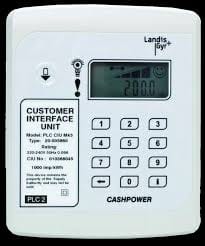
In a move directly targeting the financial pressure point of millions of households, South African fintech startup WattWallet has officially launched a pioneering “pay-later” service for prepaid electricity. The platform aims to provide a regulated, dignified alternative to the informal lending and desperate measures many resort to when their electricity runs out before payday.
Founded in early 2025 by husband-and-wife duo Keagan and Zhaida Juries, WattWallet addresses a pervasive national struggle: the misalignment between pay cycles and the relentless need for power. With municipal tariffs consistently rising and load-shedding a persistent threat, running out of prepaid credit can mean more than darkness—it can mean spoiled food, missed work, and a breakdown in basic household security.
How It Works: A Low-Tech Bridge for a High-Stakes Problem
Understanding the digital divide, WattWallet has been built for accessibility. The process is intentionally low-friction and SMS-based, requiring no smartphone app or significant data.
- Registration: Customers register their prepaid meter number via USSD or a simple web portal.
- Credit Limit: Based on a streamlined assessment, users receive a small, revolving credit limit specifically for electricity purchases.
- Purchase & Deferral: When credit is low, users can purchase a standard electricity token through WattWallet’s platform but defer the payment for a set period, typically aligned with their next salary date.
- Repayment: Repayment is automated via a once-off debit order or can be initiated manually. Crucially, the system sends SMS reminders to encourage on-time settlement.
A Fee-Based Model to Avoid the Debt Trap
In a key strategic decision, WattWallet charges a flat, transparent service fee per transaction instead of interest. This model deliberately keeps the service outside the scope of the National Credit Act (NCA), simplifying regulation and avoiding the complexities and potential pitfalls of traditional microlending.
“We are not in the business of creating long-term debt,” explains Keagan Juries, who brings a tech development background to the venture. “We are providing a short-term utility bridge. The flat fee is clear from the start—no compounding interest, no hidden charges. It’s a tool for cashflow management, not a loan product.”
To incentivize good financial behavior, the platform includes a rewards system where consistent on-time repayments can lead to lower fees or increased credit limits over time.
The Gap in the Market: Replacing ‘Loan Sharks’ and ‘Kandoo’
Currently, households facing an electricity shortfall often turn to high-cost informal lenders, borrow from neighbours at a premium, or resort to dangerous and illegal connections. WattWallet positions itself as a safe, legal, and less expensive alternative to these options.
“The informal cost of a R200 electricity ‘loan’ can be exorbitant, sometimes 50% or more if you factor in favours and risk,” notes Zhaida Juries, who leads operations and community engagement. “Our fee is a fraction of that. We’re offering not just a service, but also restoring dignity and choice.”
Prototype Phase: Proving Compliance and Integration
The service is currently in a controlled prototype stage, operating with a limited user base. This phase is focused on three critical pillars:
- Regulatory Compliance: Ensuring seamless operation within municipal and financial regulations.
- Technical Integration: Rigorously testing the API connections with various municipal billing systems for reliable token generation.
- User Validation: Gathering data on repayment behavior, user experience, and the real-world impact on household energy security.
Funding the Future: Seeking Investment for Scale
Bootstrapped thus far by the founders, WattWallet is now actively seeking seed investment to fund its next phase. Capital will be directed toward technology scaling, partnership development with municipalities and retailers, and expanding the customer base across South Africa’s major metros.
The launch arrives as national conversations about energy poverty, financial inclusion, and the digitization of essential services reach a crescendo. WattWallet’s model presents a potential blueprint for how fintech can address a fundamental socioeconomic need—keeping the lights on.
About The Author