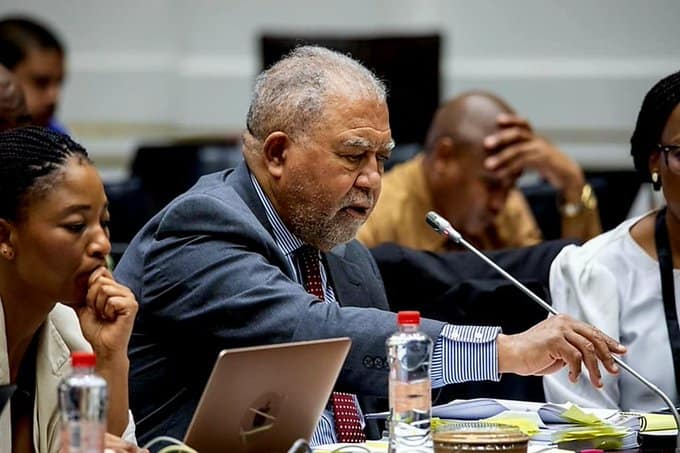
The air in Parliament’s committee corridor is thick with a tension that rivals that of the most heated budget debates. Here, however, the currency is not rand, but truth—or at least, competing versions of it. The newly constituted Ad Hoc Committee on the Infiltration of the Justice System, a creature born of overwhelming public pressure and damning media revelations, is preparing to open its doors for what may be the most consequential, and explosive, series of hearings since the dawn of democracy.
A Committee Forged in Crisis
The committee’s very mandate speaks to a national anxiety: to investigate allegations of “criminal infiltration, corruption, and political interference” across the National Prosecuting Authority (NPA), the Hawks, the South African Police Service (SAPS), and the State Security Agency (SSA). Its formation followed a crescendo of scandals—from the mysterious withdrawal of high-profile corruption cases to the suspicious paralysis of investigations into powerful figures, and the chilling testimonies of assassinated witnesses.
Chairperson Thandi Modise, a veteran politician known for her steely composure, has her work cut out for her. “We are not here to conduct a witch hunt,” she stated in her opening address, her tone grave. “We are here to follow the evidence, wherever it may lead, and to restore the sacred trust our citizens must have in the instruments of justice.”
The Witness Roster: A Cast of Controversy
The first tranche of summoned witnesses reads like a dramatis personae of South Africa’s decade-long struggle against state capture and its aftermath.
- Paul O’Sullivan: The irascible private forensic investigator is perhaps the most anticipated witness. Known for his dossier-compiling zeal and a career spent in the crosshairs of the very entities he investigates, O’Sullivan is expected to present a granular, evidence-heavy testimony. Sources close to him suggest he will detail alleged “political protection rackets” within the NPA, map networks of corrupt prosecutors and investigators, and name individuals he believes deliberately sabotaged cases. His detractors have already begun a smear campaign, labeling him a “rogue element,” ensuring his testimony will be as fiercely contested as it is revealing.
- Robert McBride: The former head of the Independent Police Investigative Directorate (IPID) is a figure who embodies the concept of the insider-turned-whistleblower. McBride, who himself faced a protracted suspension widely seen as politically motivated, is poised to speak to the systemic political interference in police oversight. His testimony is expected to lay bare the mechanics of how investigations into senior SAPS and political figures were stymied, files went missing, and key investigators were intimidated or transferred. “I tried to run an independent institution,” McBride has said in pre-hearing interviews. “What I encountered was a concerted effort to ensure certain people were beyond the reach of the law.”
- Julius Mkhwanazi: The suspended Deputy Chief of the Ekurhuleni Metro Police adds a crucial, and gritty, municipal layer to the probe. His allegations are expected to center on the intersection of political power, criminal syndicates, and local law enforcement. Mkhwanazi has hinted he will provide evidence of how certain figures within local government structures manipulated policing for personal and political gain, including the illegal awarding of tenders and the protection of illicit mining and construction mafias.
- Brown Mogotsi: The North West businessman is the wildcard. Little known to the national public, Mogotsi’s name has surfaced in multiple forensic audits related to government contracts and alleged money laundering. His testimony, legal experts suggest, could provide the “follow-the-money” trail, linking political figures to illicit flows of cash that were then used to compromise officials within the justice system.
Stakes That Could Not Be Higher
Beyond the theatrical clash of personalities, the committee’s work carries the weight of a nation’s future. Its success or failure is seen as a litmus test for Parliament’s ability to hold the state itself accountable. “This is about more than past corruption,” noted political analyst Professor Mcebisi Ndletyana. “It is about whether we have managed to exorcise the culture of impunity that took root. If this committee is nobbled, or if its findings are ignored, it will signal that the immune system of our democracy remains critically compromised.”
Security around the hearings is unprecedented, with fears of witness intimidation running high. Committee members have been briefed by parliamentary security and the Serjeant-at-Arms on contingency plans, including the possibility of accepting some testimony in-camera.
As the first witnesses take their oaths, the nation will be watching. The committee room in Cape Town is set to become a crucible, where painful truths will be scorched into the official record. The testimonies of O’Sullivan, McBride, Mkhwanazi, and Mogotsi may not provide catharsis, but they promise a painful, necessary archaeology of how South Africa’s justice system was so deeply penetrated. The arduous process of rebuilding, everyone understands, cannot begin until the full scale of the damage is laid bare.
About The Author