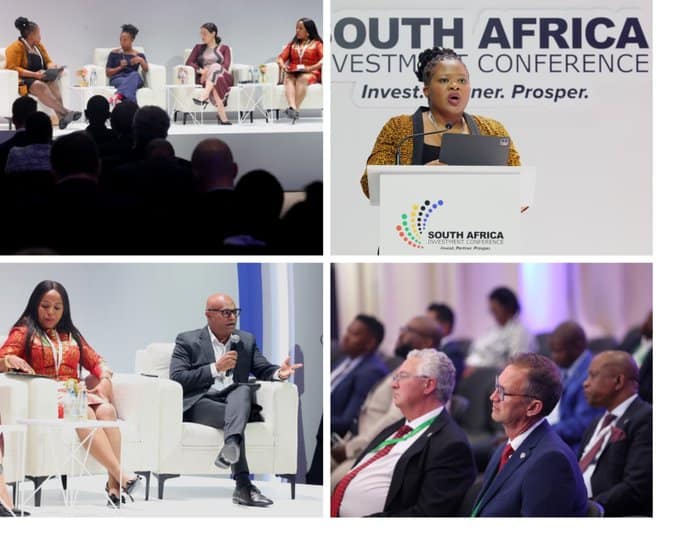
As the sun rises over the financial hub of Sandton on the second day of the highly anticipated South Africa Investment Conference (SAIC), all eyes are turning to a pivotal discussion that could shape the nation’s workforce for decades to come. The Presidency has confirmed that Deputy Minister Nonceba Mhlauli will step into the role of moderator for a high-level panel titled, “Skills for the Digital and Green Economy.”
This is not just another agenda item. The session comes at a critical inflection point for the country’s economic trajectory. With global markets rapidly pivoting away from carbon-intensive industries and toward artificial intelligence, automation, and renewable energy, South Africa faces a pressing question: does it have the human capital to lead the charge?
Deputy Minister Mhlauli, known for her sharp analytical focus on youth development and governance, will wield the moderator’s gavel to guide a room full of captains of industry, tech innovators, and labor leaders. Her mandate is clear—to move beyond abstract promises and drill down into actionable strategies.
Bridging the Gap Between Ambition and Action
The panel, which will feature CEOs from major renewable energy firms alongside digital infrastructure pioneers, aims to dissect the country’s “talent paradox.” While South Africa boasts a 56% youth unemployment rate, companies in the green hydrogen and software development sectors often complain of a shortage of specialized skills.
“We cannot talk about a just transition if our young people are locked out of the engine room,” a source close to the Deputy Minister’s office stated ahead of the event. “Mhlauli intends to challenge investors directly: if you are building a solar farm or a data center, what specific training pipeline are you attaching to that investment?”
The Three Pillars of Discussion
Insiders familiar with the talking points reveal that the Deputy Minister will structure the 90-minute dialogue around three explosive pillars:
- Reskilling the Coal Belt: How to transform displaced workers from Mpumalanga’s coal mines into certified technicians for the solar and battery storage sectors.
- Digital Literacy as a Utility: Arguing that coding, data analytics, and AI literacy should be treated as essential infrastructure, similar to water and electricity.
- The Gig Economy Safety Net: Creating portable benefits and recognition for freelance digital workers who are driving the app-based economy but lack job security.
A Litmus Test for SA’s Investment Climate
The SA Investment Conference has historically been a platform for announcing multi-billion-rand commitments. However, Mhlauli’s session represents a shift in tone. Investors attending the panel have been warned to come with specifics, not just checkbooks.
“The old model was ‘we bring the capital, you bring the labor,’” explained an economist attending the conference. “The new model, which Mhlauli will push, is ‘we build the infrastructure together by co-designing the curricula at TVET colleges.’ If this panel succeeds, it will turn SAIC from a pledge drive into a skills incubator.”
As the countdown to the panel begins, trade unions and student organizations have signaled they will be watching closely. For Nonceba Mhlauli, the task is monumental: to convince a skeptical audience that the green and digital revolutions are not threats to existing jobs, but rather the scaffolding for a more resilient, inclusive South African economy.
About The Author