JOHANNESBURG – As the world wakes up to the terrifying reality of a major military escalation between Iran and a U.S.-Israeli coalition, the consequences are not confined to the battlefields of the Middle East. For ordinary South Africans already buckling under the weight of high living costs, the conflict threatens to deliver a fresh and painful economic blow.
The strikes on Tehran, which reportedly killed former president Mahmoud Ahmadinejad and Supreme Leader Ayatollah Ali Khamenei, coupled with Iran’s retaliatory missile launches toward the region, have lit a fuse under global markets. From the oil fields of the Persian Gulf to the stock exchanges of New York, London, and Johannesburg, the message is the same: buckle up.
The Oil Factor: A Looming Price Tsunami
The most immediate and visceral impact for South Africans will be felt at the fuel pump. The Middle East remains the world’s arterial blood supply of crude oil, and the Strait of Hormuz—a narrow maritime passage that Iran has repeatedly threatened to close—is the valve through which about one-fifth of the world’s total oil consumption flows.
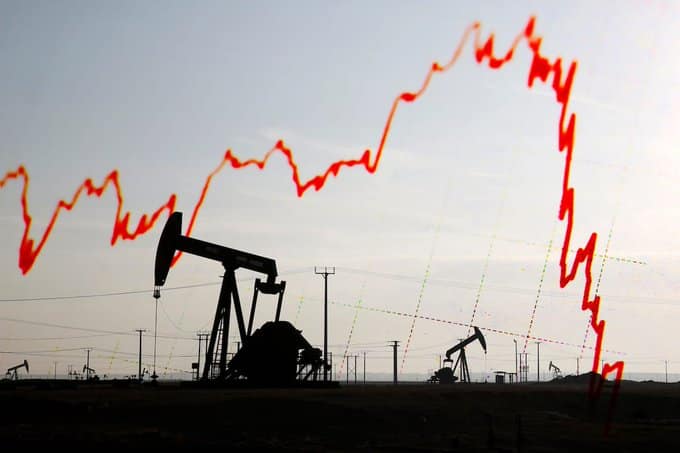
With every hour that the conflict intensifies, the risk to this supply chain grows. Global benchmark Brent crude has already spiked dramatically in overnight trading, and analysts warn that this is just the beginning.
“South Africa is a net importer of oil, which means we are price-takers on the global market,” explained energy analyst Chris Yelland in an early morning interview. “We have no control over this. When global crude prices go up, we pay more for petrol, diesel, and paraffin. It is that simple. If the Strait of Hormuz is disrupted or if Saudi or UAE facilities are drawn into this, we could see prices that make the previous record highs look like a bargain.”
The knock-on effect is immediate and devastating. Higher fuel costs mean more expensive transport. More expensive transport means the price of everything—from a loaf of bread to a box of tomatoes—increases. For the millions of South Africans who rely on minibus taxis to get to work, the fare hikes will be felt within days. For those who use paraffin for cooking and heating, the cost of staying warm could become prohibitive.
The Inflationary Spiral: Interest Rates in the Crosshairs
The conflict comes at the worst possible time for the South African Reserve Bank (SARB), which has been fighting a grueling war against inflation. Just as consumer prices showed tentative signs of cooling, a new external shock threatens to reignite the fire.
Higher oil prices translate directly into higher input costs for nearly every sector of the economy. Manufacturers, farmers, and retailers all face increased expenses, which are inevitably passed on to consumers. This imported inflation could force the SARB’s Monetary Policy Committee to adopt an even more hawkish stance.
“Any hope of imminent interest rate cuts could be dashed,” warned economist Dr. Thabi Nkosi. “The Reserve Bank’s primary mandate is to protect the value of the currency and keep inflation in check. If this conflict pushes inflation higher, they will have no choice but to keep rates higher for longer, or even consider hiking again. For indebted South Africans, that is a disaster.”
The bond market is already signaling this anxiety, with the rand coming under immediate pressure against the dollar. A weaker rand makes imports even more expensive, adding another layer to the inflationary pile-on.
The Flight to Safety: Currencies and Capital
In times of global turmoil, investors engage in a “flight to safety,” moving capital out of riskier emerging markets like South Africa and into perceived safe havens like the US dollar, Swiss franc, or gold. This dynamic puts immediate downward pressure on the rand.
A plummeting rand is not just an abstract number on a screen. It dictates the price of everything South Africa buys from abroad, from machinery and electronics to wheat and medicines. The fuel price is calculated in dollars, so even if the global crude price stabilizes, a weaker rand will make it more expensive to purchase.
Simultaneously, the price of gold—a traditional safe-haven asset—is expected to surge. While this might sound like good news for South Africa’s struggling mining sector, the reality is complex. Power cuts, logistical constraints, and deep-level mining challenges mean the country is poorly positioned to capitalize on a price spike. Furthermore, any broader economic disruption from the conflict could dampen global industrial demand, affecting other key exports like platinum and coal.
The Global Supply Chain Jitters
Beyond oil, the Middle East is a crucial crossroads for global trade. Any expansion of the conflict risks drawing in shipping lanes and air corridors. We are not yet at the point of major disruption, but the mere threat of it causes insurers to hike premiums for vessels traveling through the region, and shipping companies to reconsider routes.
For South Africa, which relies on maritime trade for the vast majority of its imports and exports, any disruption to global shipping has a direct impact. Delays and increased costs at the country’s own ports, which are already struggling with inefficiency, would compound the problem.
What This Means for Your Pocket
For the average South African household, this confluence of factors translates into a stark reality:
- Fuel Prices: Expect substantial hikes at the pump in the coming weeks. The basic fuel price is calculated using international oil costs and the rand-dollar exchange rate, both of which are moving in the wrong direction.
- Food Prices: Transport costs are a major component of food prices. From the farm to the factory to the shop shelf, everything moves on fuel. Bread, maize meal, cooking oil, and vegetables will all become more expensive.
- Interest Rates: The chance of a rate cut in the near future has diminished significantly. For bondholders, this means monthly repayments will remain painfully high. For those renting, the pressure on landlords will eventually trickle down.
- Electricity: While Eskom uses a mix of coal and diesel for its power stations, it burns significant amounts of diesel for its open-cycle gas turbines during periods of high demand or grid strain. Higher diesel costs feed into Eskom’s operating expenses, which ultimately seek recovery through tariff hikes.
- General Goods: Anything imported or containing imported components—from cellphones to clothing to medicine—will see price increases.
A World on Edge
The human tragedy unfolding in the Middle East is of the highest order. But in a globally connected economy, the shockwaves travel fast. For South Africa, a country with a weakened economy, high unemployment, and a population already struggling to afford the basics, this external shock could not have come at a worse time.
As the sun rises over Johannesburg, the geopolitical map has shifted. The only certainty now is uncertainty, and for millions of South Africans, that uncertainty comes with a price tag they can ill afford.
About The Author