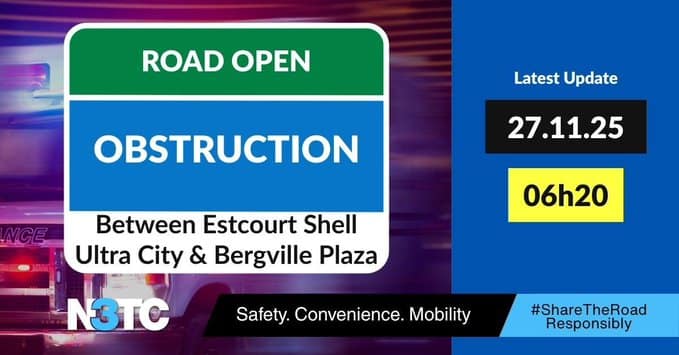
In a dramatic pre-dawn demonstration that brought a vital national economic corridor to a standstill, members of the All Truck Drivers Forum Allied South Africa (ATDFASA) staged a major protest on the N3 highway between Estcourt and the Bergville Toll Plaza in the early hours of Thursday. The action, involving a convoy of heavy freight trucks strategically parked across both carriageways, was a direct and disruptive challenge to the government’s controversial Administrative Adjudication of Road Traffic Offences (AARTO) Act.
The protest, which began around 4:00 a.m., created a kilometers-long barricade of steel and rubber, severing the primary logistics link between the port of Durban and the economic hub of Gauteng. The drivers’ core grievance centers on the AARTO demerit system, which they argue is not only punitive but is being applied in a discriminatory manner that places an unfair burden on South African drivers.
A Protest Rooted in Deeper Grievances
While the immediate trigger was the AARTO system, the protest exposed a long-simmering cauldron of issues within the trucking industry. Spokespersons for ATDFASA, addressing media from the blockade, articulated a two-pronged argument.
Firstly, they contend that the demerit system, which assigns points for traffic violations leading to the suspension or cancellation of driving licenses, will devastate the livelihoods of professional drivers who are inherently more exposed to traffic infractions due to the immense distances they travel. “A single miscalculation, a missed speed sign in an unfamiliar area, and a driver can lose their license—and with it, their ability to feed their family,” one driver explained.
Secondly, and more explosively, the protesters levelled the accusation that the system unfairly targets South African citizens while sparing foreign national drivers. They claim that foreign drivers, many of whom are employed by smaller, cost-cutting operators, often operate without the requisite documentation or valid South African licenses, placing them outside the reach of the AARTO system’s enforcement mechanisms. This, they argue, creates an unlevel playing field, where compliant South African drivers face financial and professional ruin while non-compliant foreign drivers operate with impunity.
“This is not just about fines and points; it is about our survival in our own country,” an ATDFASA representative stated. “We are being regulated out of existence while others flout the very same laws. We demand that the government suspend AARTO and first address the fundamental issues of law enforcement and the employment of foreign nationals in the sector.”
Swift Response and Lingering Disruption
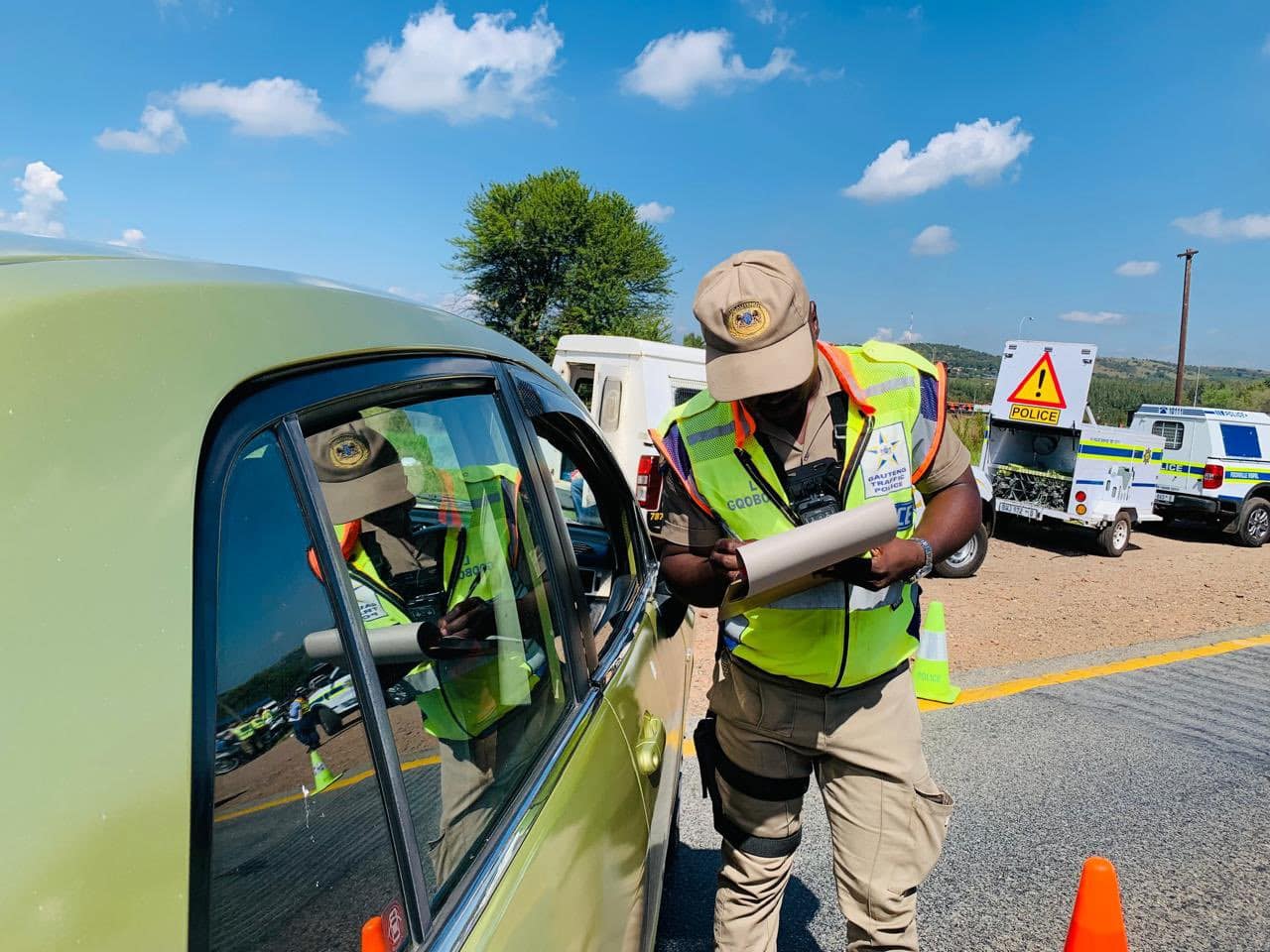
The South African National Roads Agency (SANRAL) and local traffic authorities were quick to respond to the crisis. By 5:30 a.m., a coordinated operation was underway to clear the blockade. Law enforcement officers engaged with protest leaders while simultaneously implementing diversion plans for stranded motorists. Tow trucks were deployed to remove the stationary vehicles.
Through a combination of negotiation and enforcement, authorities managed to clear all lanes and reopen the N3 to traffic by approximately 6:30 a.m. SANRAL issued a statement confirming the reopening but warned motorists to expect residual delays and heavy congestion as the backlog of freight and passenger vehicles began to move.
A Pledge to Continue the Fight
Despite the swift clearance of the blockade, the protest’s organizers have signaled that this is merely the opening salvo in a sustained campaign. They have vowed to continue their demonstrations until the government agrees to a formal review and suspension of the AARTO system as it applies to the freight industry.
The incident on the N3 serves as a stark reminder of the fragility of South Africa’s supply chain and the potent power of organized labour. It highlights a deep-seated conflict within a critical industry, pitting regulatory frameworks against socio-economic grievances and claims of unequal application of the law. As the trucks rolled away, the message remained etched on the highway: without a resolution, the nation’s economic lifeline remains vulnerable to further disruption.
About The Author