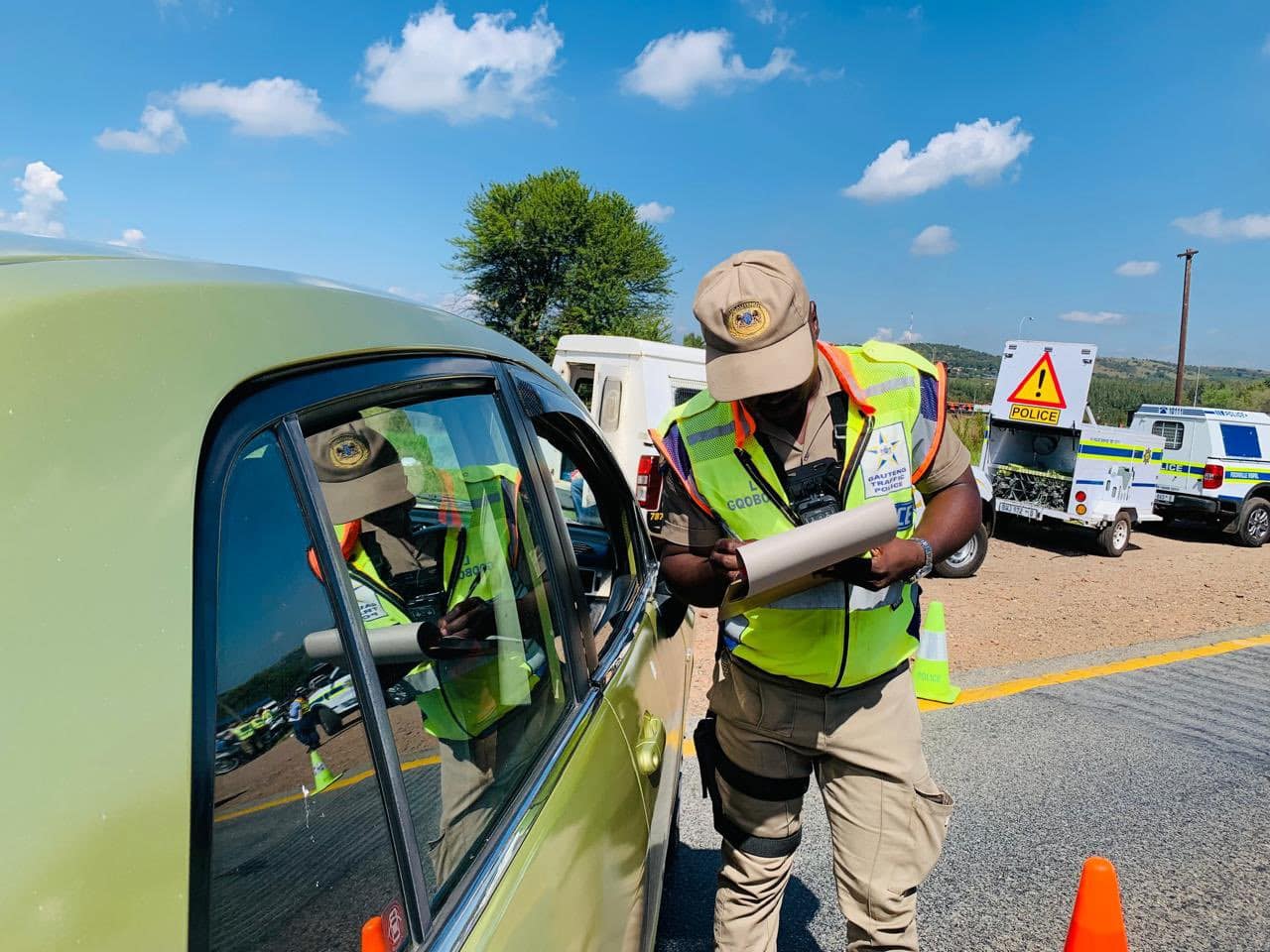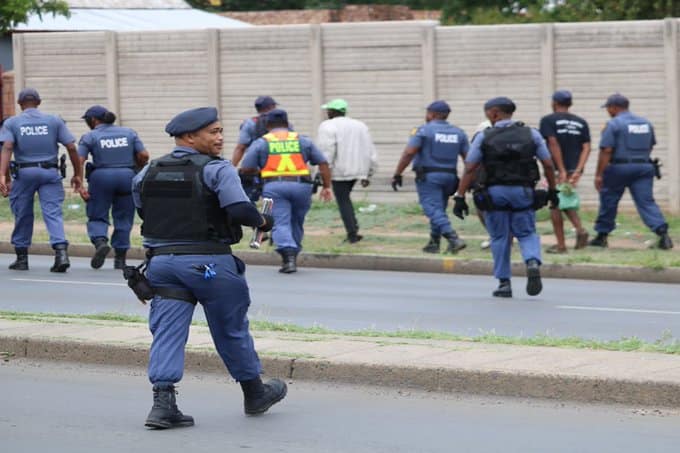
Cape Town – The dusty streets of Kalksteenfontein, a dense and impoverished neighbourhood on the Cape Flats near Bishop Lavis, have been transformed into a militarised zone this week as a massive contingent of law enforcement officers moved in to quell a surge in violent incidents that has left the community reeling and living in fear.
The visible deployment, which includes members of the South African Police Service (SAPS) Tactical Response Team, public order policing units, and flying squad vehicles, began in earnest over the weekend. Armed officers in full riot gear have been conducting high-visibility patrols, manning roadblocks, and carrying out stop-and-search operations on foot, aiming to reassert the state’s authority in an area that residents say has been effectively hijacked by criminal elements.
Provincial police officials have confirmed that the operation is a direct response to a worrying spike in violent crime, including multiple brazen shootings, alleged gang-related reprisal killings, and a spate of armed robberies that have terrorised local shopkeepers and commuters.
“We Are Living in a War Zone”
For the approximately 30,000 residents of Kalksteenfontein, the arrival of the police is a double-edged sword: a source of temporary relief, but also a stark reminder of the chronic instability that defines daily life. The area, a patchwork of formal council houses and informal structures, sits in the crosshairs of rival gang territories and is no stranger to violence. However, recent weeks have seen an escalation that even hardened locals describe as unprecedented.
“You cannot sleep at night. The shooting starts, and you just have to lie on the floor and pray it doesn’t come through your wall,” said a mother of three who asked to remain anonymous for fear of reprisals. “The children are traumatised. They flinch at the sound of a car backfiring. We asked for help, and now the army is here. But what happens when they leave?”
Community leaders have reported a breakdown of normal life. Shackland informal settlement, which borders the main residential area, has seen families fleeing their homes after becoming caught in the crossfire of turf wars. Local spaza shops are closing earlier, and minibus taxi drivers are altering routes to avoid known danger zones.
A History of Neglect
The current crisis in Kalksteenfontein is not a sudden explosion but the culmination of decades of socio-economic neglect and the entrenchment of powerful gang networks. Like much of the Cape Flats, the area was shaped by the apartheid-era Group Areas Act, which forcibly displaced communities and created sprawling, poorly resourced townships on the sandy periphery of Cape Town. With limited economic opportunities and high unemployment, gangs have long filled the vacuum, providing a perverse sense of belonging and a source of income through drugs and extortion.
Local ward councillors have expressed frustration that police interventions, while necessary, are merely treating the symptoms rather than the disease. “We welcome the police, but we must be honest: this is a temporary suppression tactic,” one local official commented. “We need a comprehensive, whole-of-society approach. We need social workers, we need jobs, we need recreational facilities for the youth, and we need the justice system to ensure that those arrested today are not back on the streets tomorrow intimidating witnesses.”
The Operation: “Drop the Gun, Pick up a Life”
The SAPS have branded the operation as part of an ongoing high-density exercise aimed at restoring order. Colonel Andrè Traut, a provincial police spokesperson, stated that the objective is to “disrupt criminal activities, trace wanted suspects, and create a safer environment for all residents.”
Officers on the ground have been seen distributing pamphlets with messages urging gang members to “Drop the Gun, Pick up a Life,” part of a broader social crime prevention campaign. However, the effectiveness of such messaging in the face of entrenched criminal economies is questionable to many residents.
Early results from the deployment have seen a number of arrests for possession of drugs, illegal firearms, and the tracing of suspects wanted for violent crimes. Ballistic experts have also been dispatched to link firearms seized in the operation to recent shooting incidents.
A Familiar Cycle
For long-time observers of the Cape Flats, the scenes in Kalksteenfontein are painfully familiar. The cycle of violence, community outcry, heavy police deployment, temporary calm, and gradual withdrawal, only for tensions to simmer and eventually boil over again, has played out countless times in neighbouring areas like Manenberg, Hanover Park, and Philippi.
As dusk falls over Kalksteenfontein, the police presence becomes even more pronounced. The rumble of armoured vehicles echoes off the low-hanging clouds. Children who were playing in the streets during the day are called inside. For now, the state is visible and present. The question that hangs in the air, thick with the smoke from cooking fires, is whether this time will be different, or whether the people of Kalksteenfontein will once again be left to face the guns alone when the convoys eventually roll out.
About The Author