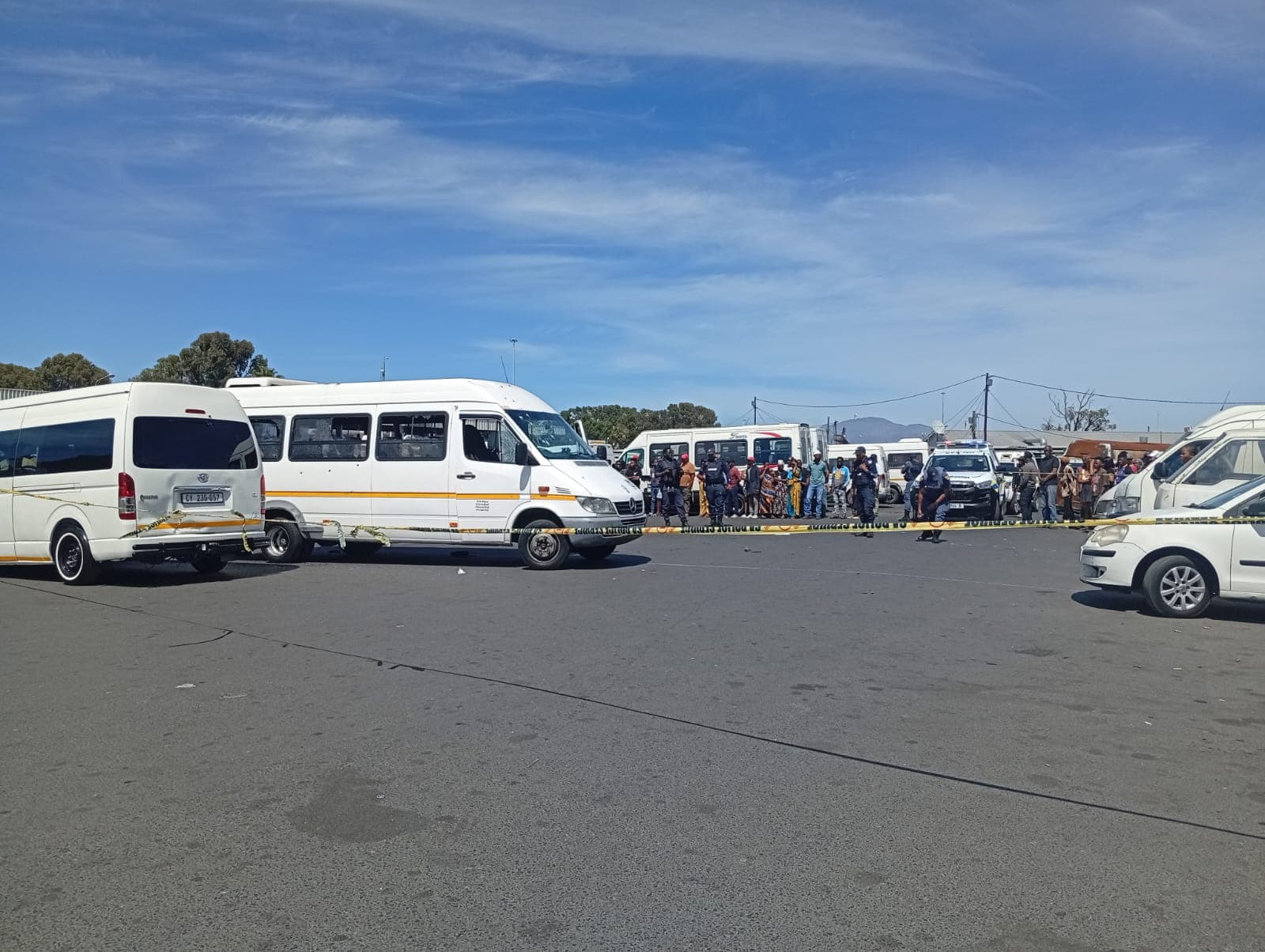
In a brazen attack that has sent shockwaves through one of South Africa’s most murder-prone communities, unidentified gunmen opened fire on a crowded taxi rank in Nyanga on Wednesday morning, killing two women and wounding eight other people in a hail of bullets. The shooting, which police are not ruling out as a random act of violence, marks a particularly brutal incident in a devastating 72-hour surge of violence that has claimed nearly 30 lives across the Cape Flats.
The attack occurred at approximately 8:30 a.m. at the bustling rank, a vital transport hub where commuters were heading to work and students to school. Witnesses described a scene of panic and terror as assailants, believed to be on foot, fired indiscriminately into the crowd before fleeing.
“People were screaming and running in all directions. It was chaos,” said one witness, who requested anonymity out of fear for his safety. “I saw a woman fall, and then another. They were just waiting for a taxi. For what?”
The two women, whose identities have not yet been released, were pronounced dead at the scene. The eight injured victims, including bystanders caught in the crossfire, were rushed to nearby hospitals for treatment.
A Metropolis in the Grip of Violence
The Nyanga massacre is not an isolated event. It forms part of a relentless tide of bloodshed sweeping through the Cape Flats. By mid-morning on Wednesday, authorities had already reported six additional murders in townships including Philippi and Kraaifontein, pushing the three-day death toll close to 30. This wave includes gang-related hits, domestic violence incidents, and now, this seemingly random public execution, creating a pervasive climate of fear.
The ongoing crisis has ignited fierce political recriminations and desperate pleas from traumatized communities. Residents and local activists are demanding an immediate and visible enhancement of police patrols, with many reiterating calls for the deployment of the South African National Defence Force (SANDF) to quell the violence.
The Democratic Alliance (DA), which governs the Western Cape, has seized upon the crisis to criticize the national government. “The people of the Western Cape are being failed by a national government that does not provide adequate policing resources,” a DA statement read. The party is demanding that Police Minister Bheki Cele expand local police powers and devolve more control over law enforcement to the provincial level, a long-standing point of contention.
In contrast, President Cyril Ramaphosa, addressing the nation on a separate matter, expressed confidence in the government’s existing strategies. “We are implementing a multi-faceted approach to combat gangsterism and violent crime,” the President stated, pointing to integrated task teams and crime intelligence operations. “We are confident that these measures will yield results.”
For the residents of Nyanga and the wider Cape Flats, however, confidence is in short supply. As the body count rises, the gap between political assurances and the grim reality on the ground widens, leaving communities to mourn their dead and wonder when, or if, the violence will ever end.
About The Author