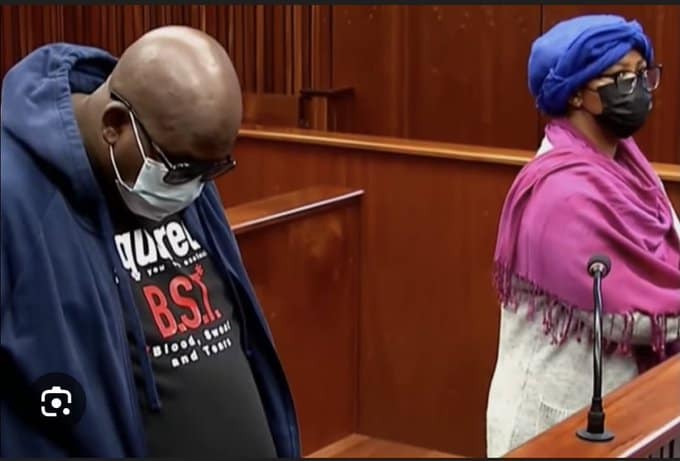
In a case emblematic of the profound challenges facing South Africa’s fight against corruption, the high-profile trial of two senior officers from the Directorate for Priority Crime Investigation (the Hawks) has been postponed yet again, prolonging a legal saga that has placed the elite anti-corruption unit itself under intense scrutiny. Captain Virginia Kupa and Brigadier Mapone Mohajane made a brief appearance in the Polokwane Specialised Commercial Crimes Court on Tuesday, 9 December 2025, where the matter was adjourned to 2 February 2026 for final pre-trial conferences and the anticipated start of the main hearing.
The repeated delays—this being the fourth significant postponement since their arrest—have cast a shadow over the efficacy of internal accountability mechanisms within law enforcement. Kupa and Mohajane stand accused of orchestrating a sophisticated corruption scheme, allegedly soliciting and accepting substantial bribes to sabotage investigations into a prominent Limpopo-based tender fraud network. The charges against them include corruption, fraud, and defeating the ends of justice, stemming from a meticulous internal probe initiated after whistleblower reports and discrepancies in case files.
“The irony is palpable and deeply damaging,” stated legal observer and former prosecutor, Advocate Thandiwe Nkosi. “The Hawks were established as a beacon of integrity, a specialised unit to pursue the most complex and high-stakes corruption cases. When its own senior members are accused of selling their badges, it doesn’t just undermine a single investigation; it erodes the very foundation of public trust in all anti-corruption efforts.”
The postponement was granted to allow finalisation of plea agreements, the resolution of outstanding disclosure issues, and the consolidation of witness lists. The National Prosecuting Authority’s (NPA) Investigating Directorate, which is prosecuting the case, has cited the case’s complexity and the sheer volume of digital and financial evidence as contributing factors to the protracted timeline.
For a public weary of endless corruption scandals, the case is a stark and disheartening metaphor. “It feels like we can’t trust anyone,” said Polokwane resident, David Mokoena, outside the courthouse. “If the people who are supposed to catch the thieves are also thieves, who is left to protect us? Every delay feels like justice is being denied.”
The Hawks’ national leadership has previously asserted that the arrest of its own officers demonstrates a commitment to rooting out malfeasance without fear or favour. However, each adjournment tests that narrative, fuelling perceptions of a justice system struggling to hold powerful figures—even within its own ranks—to account in a timely and decisive manner.
As the case now moves to February 2026, it carries the weight of immense symbolic importance. Its eventual outcome will be interpreted not merely as a verdict on two individuals, but as a measure of whether South Africa’s key institutions possess the will and the capability to self-correct, or if the hunters are indeed becoming indistinguishable from the hunted.
About The Author