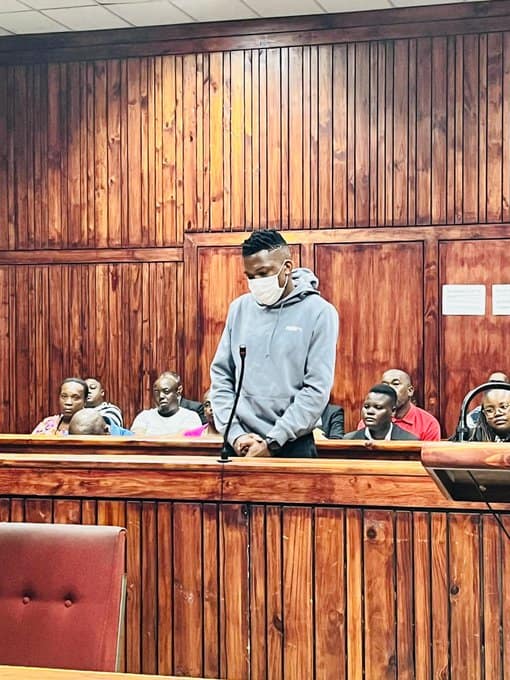
Sekhukhune United midfielder Shaune Mogaila appeared before the Tembisa Magistrates Court on Monday, where legal representatives engaged in plea negotiations over the charges stemming from a devastating crash that claimed the life of a nine-year-old girl. The 28-year-old footballer faces a trio of serious charges: culpable homicide, reckless and negligent driving, and allegedly fleeing the scene of the accident—allegations that could derail his professional career and result in significant prison time if convicted.
The case, which has drawn intense public scrutiny due to Mogaila’s status as a prominent Premier Soccer League (PSL) player, has been closely watched by both the football community and road safety advocates. The appearance marked a critical juncture in the legal proceedings, with both the State and the defense signaling a willingness to explore a negotiated resolution rather than proceeding directly to a full trial.
The Fatal Crash: What Happened
The charges against Mogaila arise from an incident that occurred in Tembisa, on the East Rand, earlier this year. According to the police docket and witness accounts gathered during the investigation, Mogaila was driving a vehicle when he allegedly struck a nine-year-old girl who was crossing the road. The impact was catastrophic, and the child succumbed to her injuries at the scene, despite the efforts of bystanders who rushed to her aid.
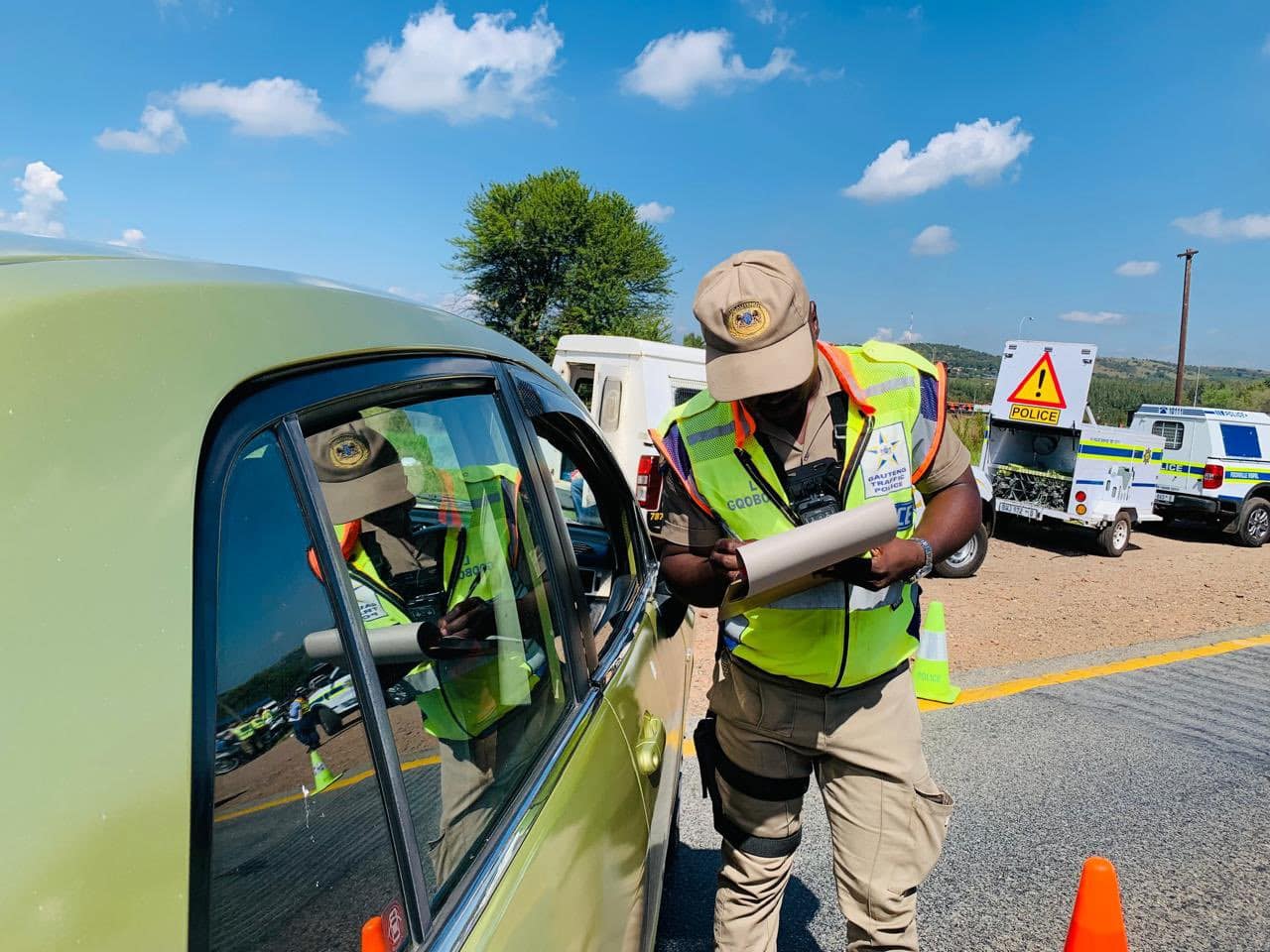
In the immediate aftermath of the crash, witnesses reported that the vehicle did not stop. Mogaila was later traced by police and taken into custody, with authorities alleging that he had fled the scene—an accusation that, if proven, carries severe legal consequences beyond the underlying driving offenses. The failure to stop after an accident, particularly one involving a fatality, is treated with particular gravity under South African law, as it denies victims and their families the opportunity for immediate assistance and accountability.
The identity of the young victim has been withheld to protect the family’s privacy, but community members in Tembisa have spoken of the profound grief that has enveloped her family. A makeshift memorial of candles, teddy bears, and handwritten notes remains at the site of the crash, a somber reminder of the life cut short.
The Charges: Culpable Homicide, Reckless Driving, and Fleeing the Scene
The charges Mogaila faces each carry significant legal weight. Culpable homicide, which is the unlawful and negligent killing of another person, is a common charge in fatal road accident cases where intent to kill cannot be proven. Under South African law, a conviction for culpable homicide can result in a prison sentence of up to 10 years, depending on the severity of the negligence and the circumstances of the case.
The charge of reckless and negligent driving relates to the manner in which Mogaila was allegedly operating his vehicle prior to the collision. This charge, often a precursor to more serious offenses in fatal accident cases, carries its own penalties, including fines, license suspension, and potential imprisonment.
Most critically, the allegation that Mogaila fled the scene of the accident represents a separate and serious offense. Section 61 of the National Road Traffic Act requires that a driver involved in an accident that results in injury or death must stop immediately, render assistance, and report the incident to police. A conviction for failing to do so can result in a prison sentence of up to nine years, and prosecutors often treat such conduct as indicative of a consciousness of guilt.
Plea Negotiations: A Strategic Move
Monday’s court appearance was dedicated primarily to plea negotiations, a process in which the defense and the State explore the possibility of reaching an agreement that would resolve the case without a full trial. Such negotiations often involve the accused pleading guilty to certain charges in exchange for the withdrawal of others, or in return for a recommendation on sentencing that falls short of the maximum penalties.
For Mogaila, the stakes are extraordinarily high. A criminal conviction, particularly one involving a fatality, could not only result in imprisonment but also effectively end his professional football career. Clubs in the PSL and abroad are often reluctant to retain players with serious criminal records, and the reputational damage from a high-profile case can be difficult to overcome.
For the State, plea negotiations offer the opportunity to secure a conviction without the time, expense, and uncertainty of a contested trial. They also spare the victim’s family the emotional toll of a prolonged court process, provided that the outcome reflects the gravity of the loss they have suffered.
Sources close to the case indicated that discussions are ongoing and that no final agreement had been reached at the time of Monday’s appearance. The matter was postponed to allow for further negotiations, with a new date expected to be set in the coming weeks.
The Victim’s Family: Seeking Justice
Outside the courtroom, the presence of family members and supporters of the deceased nine-year-old served as a powerful reminder of the human cost of the case. The family has been largely silent publicly, but through a family spokesperson, they have expressed a desire for accountability and a resolution that acknowledges the magnitude of their loss.
“We are not here to destroy anyone’s career. We are here because a child is dead,” the spokesperson said. “She was nine years old. She had her whole life ahead of her. Whatever happens in this court, nothing will bring her back. But we need to know that the law has been applied fairly, and that no one is above it.”
The family’s legal representatives have been in contact with the National Prosecuting Authority (NPA) and are expected to provide input during the plea negotiation process. In cases involving fatalities, prosecutors often consult closely with victims’ families before agreeing to any plea deal, ensuring that the outcome aligns with their expectations of justice.
Mogaila’s Career and Public Fallout
Shaune Mogaila, a talented winger known for his pace and technical ability, has been a key player for Sekhukhune United since joining the club. The PSL side, which has established itself as a competitive force in South African football, has remained publicly silent on the matter, though sources indicate that the club is closely monitoring the legal proceedings.
The case has divided public opinion. Some have expressed sympathy for Mogaila, noting that fatal accidents can occur without criminal intent and that the legal process should determine the facts. Others have been less forgiving, pointing to the allegations of fleeing the scene as evidence of a disregard for human life that warrants severe punishment.
Road safety advocacy groups have also weighed in, using the case to highlight the broader crisis of road fatalities in South Africa. The country has one of the highest road death rates in the world, with pedestrians accounting for a disproportionate number of victims. The death of a child in a hit-and-run incident has become a rallying point for those calling for stricter enforcement of traffic laws and harsher penalties for offenders.
“The tragedy here is not just one family’s loss—it is a symptom of a system that does not do enough to protect the most vulnerable road users,” a representative of a road safety NGO said. “We hope that whatever the outcome of this case, it sends a message that reckless driving and fleeing the scene will not be tolerated.”
What Lies Ahead
As plea negotiations continue, both sides face difficult decisions. For Mogaila, accepting responsibility through a guilty plea could lead to a reduced sentence and a degree of closure for the victim’s family, but it would also mean carrying the weight of a criminal conviction. For the State, the challenge is to secure an outcome that reflects the seriousness of the offenses while avoiding a protracted legal battle that could further traumatize the victim’s loved ones.
If negotiations fail, the case will proceed to a full trial, where witnesses will be called, forensic evidence will be presented, and Mogaila will have the opportunity to contest the charges against him. Such a trial could take months to conclude and would place the footballer’s actions under intense public scrutiny.
For now, the case remains in a state of flux, with all eyes on the Tembisa Magistrates Court and the legal teams working behind the scenes to find a resolution. For the family of the nine-year-old girl, the wait for justice continues—a wait made heavier by the knowledge that no court ruling can ever fill the void left by a child taken too soon.
“We will be there every step of the way,” the family spokesperson said. “We owe her that much. We owe her the truth, and we owe her accountability. Whatever happens in that courtroom, we will make sure her name is remembered and that her death was not in vain.”
The matter has been postponed to a date yet to be confirmed, with both the State and the defense expected to return to court once plea negotiations have either yielded an agreement or reached an impasse. Until then, the legal process grinds forward, carrying with it the hopes of a grieving family, the future of a professional athlete, and the broader questions of accountability and justice on South Africa’s roads.
About The Author