In the sprawling settlement of Umlazi, down a muddy path that winds past twisted metal and the skeletal remains of foundations, Nozizwe Dlamini still wakes up every morning to the sound of hammering. For three years, it has been the soundtrack of her displacement—the sound of neighbours patching leaks, of temporary structures being reinforced, of a community holding itself together with little more than wire and willpower. But lately, the hammering sounds different. It carries a note of hope.
After 36 months of waiting, of bureaucratic limbo, and of wondering if the government had forgotten them, the eThekwini Municipality has finally confirmed what the 12,000 families displaced by the catastrophic 2022 floods have been desperate to hear: the first batch of permanent houses will be ready next month.
The announcement, made by municipal officials late this week, brings an end to one of the most frustrating chapters in KwaZulu-Natal’s long recovery from the April 2022 floods—a disaster that killed over 400 people, washed away roads, and carved scars into the landscape that are still visible today. For the survivors, the wait has been an exercise in endurance.
“It felt like we were invisible,” says Dlamini, a 54-year-old grandmother who lost her home when a wall of water swept through her valley settlement in the early hours of April 12, 2022. She and her three grandchildren have been living in a community hall ever since, sleeping on mattresses donated by a church group. “They would come, the officials, and they would take photos and make notes. Then months would pass. We began to think maybe the houses only exist on paper.”
The delays, according to the municipality, were the result of a perfect storm of obstacles. In the immediate aftermath of the floods, the focus was rightly on emergency relief—food, blankets, temporary shelter. But as the waters receded, the complexities of rebuilding in a disaster-prone region came into sharp focus. Land audits revealed that some of the proposed sites were themselves vulnerable to future flooding, forcing planners back to the drawing board. Budget allocations from national government were slow to materialise, tangled in the red tape of disaster funding protocols. Then came the contractor issues: some building firms walked away from projects, citing rising material costs and the logistical nightmare of building on unstable terrain.
“There were times when we felt like Sisyphus pushing that boulder up the hill,” admits a municipal project manager involved in the reconstruction, speaking on condition of anonymity. “Every time we solved one problem—land, money, design—another one would appear. The geology of the area is complex. You can’t just build anywhere. You have to build safely, or you’re just setting people up for the next disaster.”
The “next disaster” is a constant fear. KwaZulu-Natal has been hit by severe weather multiple times since 2022, with each storm re-traumatising families still living in makeshift accommodation. The 2023 and 2024 rainy seasons brought fresh flooding to parts of the province, a cruel reminder that for those without permanent shelter, every dark cloud carries a threat.
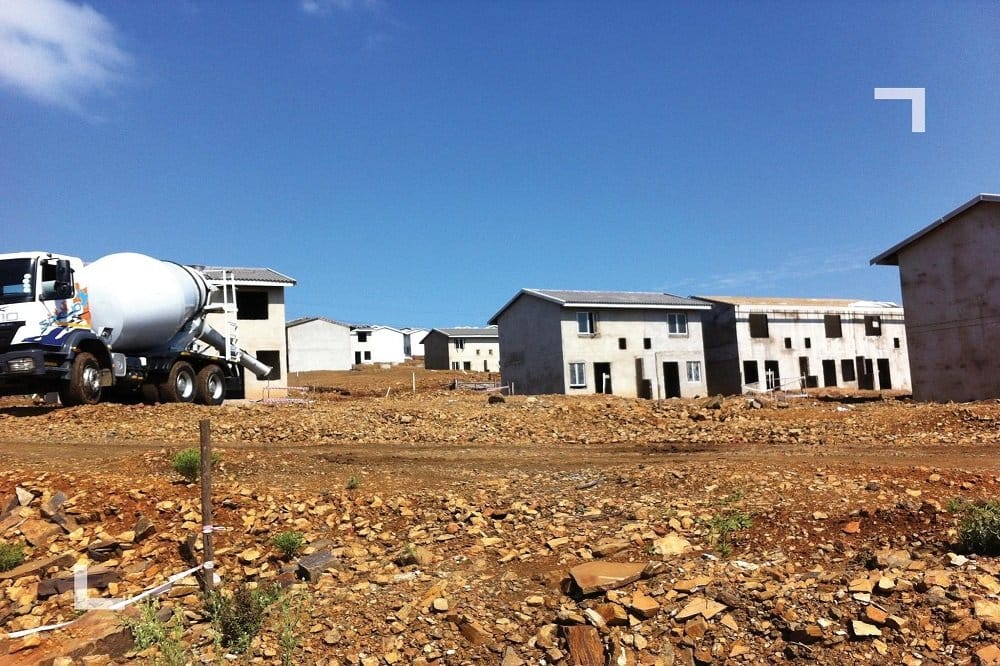
Now, with the first 500 units scheduled for handover in May, the mood among beneficiaries is a cautious mix of elation and residual scepticism. The new homes, part of a larger R1.2 billion reconstruction project, are being built to improved specifications—elevated foundations, stronger stormwater drainage, and placement on geotechnically approved land. For many, it will be the first time they have lived in a formal house with secure tenure.
Mayor Mxolisi Kaunda, visiting one of the nearly completed sites in the south of Durban, sought to strike a tone of contrition and resolve. “We know the journey has been too long,” he told a small gathering of future residents. “We know the pain of waiting. But we made a promise that we would not just rebuild, but rebuild better. These houses are not just bricks and mortar. They are a statement that eThekwini will not abandon its people.”
For Nozizwe Dlamini, the promise of a new home is about more than shelter. It is about reclaiming a sense of normalcy for her grandchildren, who have spent their formative years in the cramped, public intimacy of a community hall. “I want them to have a room of their own,” she says, her eyes glistening. “I want them to do homework at a proper table. I want them to sleep without hearing the rain and wondering if it will find us again.”
As the final touches are applied to the new houses—roofs tiled, windows glazed, doors hung—the lesson of the past three years hangs in the air. Infrastructure can be rebuilt, but trust takes longer to restore. The handover next month will not erase the memory of the delays, but for 500 families, it will finally offer something they have been denied for far too long: a key to their own front door, and a foundation on which to rebuild their lives.
About The Author