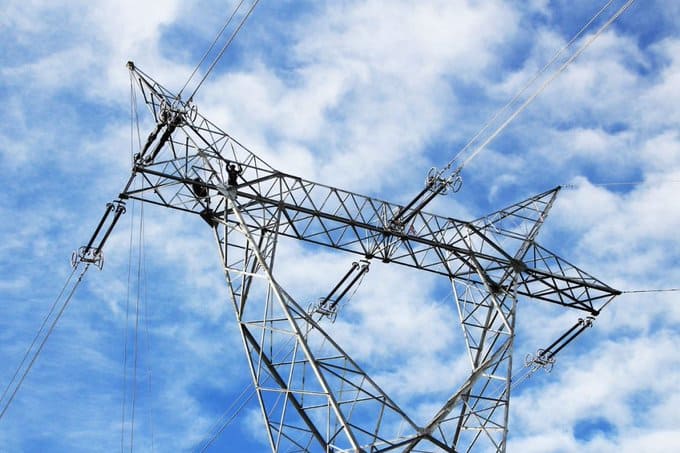
The familiar crackle and hum of high-voltage power lines is a sound of modern life. But in the sprawling townships of Soweto, the informal settlements of Tembisa, and even in some of Johannesburg’s northern suburbs, that sound often masks a more sinister reality: electricity that is not being paid for, coursing through a tangled web of illegal wires that threaten to burn down entire communities.
Eskom, the embattled power utility already fighting to keep the lights on, has revealed a financial wound so deep it threatens to undermine any hope of sustainability. In Gauteng alone, the country’s economic heartland, Eskom is losing close to R7 billion in revenue each year to electricity theft and illegal connections. The figure, disclosed in a recent briefing to parliamentary oversight committees, lays bare the scale of a problem that has become endemic.
The R7 billion annual loss is not just a number on a spreadsheet. It represents power that is consumed but never paid for—a massive leakage in a system that can ill afford it. It is money that could have been spent on maintaining ageing power stations, upgrading transmission lines, or hiring more technicians to fix faults. Instead, it vanishes into the shadows, stolen through wires wrapped around live cables, meters bypassed with homemade devices, and connections tapped directly into the grid.
For Eskom, already labouring under mountains of debt and struggling to meet demand, the theft is a body blow. “This is revenue we will never recover,” admitted an Eskom regional manager responsible for Gauteng. “It is power that has been used, infrastructure that has been damaged, and costs that are borne by paying customers and the fiscus. It is, quite simply, unsustainable.”
The geography of the theft is as varied as the province itself. In the high-density townships of Soweto, illegal connections are a way of life for some. Networks of thin copper wire snake across roofs, plunge into drains, and hang from poles, often installed by “informal electricians” who charge a fraction of the cost of a legal connection. The practice, born of poverty and desperation, has become entrenched over decades, creating a culture of non-payment that Eskom has struggled to break.
But the problem is not confined to townships. In middle-class suburbs, sophisticated meter tampering is rife. Devices that slow down the meter’s count or bypass it entirely are bought online or installed by corrupt electricians. Businesses, too, are implicated—from spaza shops running fridges on illegal connections to larger industrial operations that under-report their consumption.
The human cost of this theft is measured not just in rands, but in lives. Each illegal connection is a potential death trap. Fires sparked by overloaded, illegally tapped lines have destroyed homes and killed residents. Children playing near exposed wires have been electrocuted. Emergency services are frequently called to scenes where amateur wiring has resulted in tragedy.
“We attend to multiple incidents every week,” said a spokesperson for the City of Johannesburg’s emergency management services. “Entire shacks go up in flames because of a bad connection. People are electrocuted in their own yards. It is a silent epidemic, and it is entirely preventable.”
Eskom’s efforts to combat the theft have been met with mixed success. Operation Khanyisa, a multi-stakeholder initiative to reduce electricity theft, has made inroads in some areas, removing illegal connections and regularising customers. But the scale of the problem is overwhelming. In some communities, Eskom teams entering to disconnect illegal connections are met with hostility, stones, and threats. The social compact that underpins the electricity system—you pay, you receive—has broken down.
The utility has turned to technology as a weapon. Smart meters, which can detect tampering and report it remotely, are being rolled out in phases. Data analytics are used to identify areas where consumption patterns suggest theft. And partnerships with law enforcement have led to arrests, though the number of successful prosecutions remains low.
But technology alone cannot solve a problem rooted in poverty, unemployment, and a deep-seated distrust of the utility. Many residents of informal settlements argue that they are forced into illegal connections because the formal process is too expensive, too slow, or simply unavailable. They point to years of broken promises about electrification and service delivery.
“Where must I get the money for a legal connection?” asked a resident of an informal settlement outside Midrand, his voice tinged with frustration. “I work piece jobs. I have no papers. Eskom wants deposits and forms and proof of address. I have none of that. So yes, I connect. What choice do I have?”
The R7 billion loss is a crisis for Eskom, but it is also a symptom of deeper societal failures. Until the underlying issues of poverty, unemployment, and housing are addressed, the illegal wires will continue to multiply. And as they do, the lights will flicker not just from loadshedding, but from a system bleeding out from a thousand small cuts.
Eskom’s plea is simple: pay for what you use. But in a province where millions struggle to afford the basics, that plea often falls on deaf ears. The R7 billion question—how to stop the theft—remains unanswered, even as the financial and human toll mounts.
About The Author