
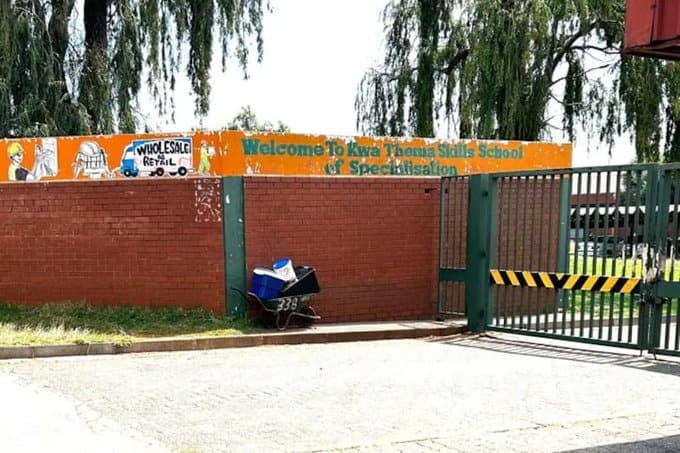
A simmering financial dispute between municipalities and public schools has reached a boiling point, plunging at least 30 schools in the City of Tshwane into darkness after electricity was cut off due to unpaid municipal accounts. The crisis threatens to disrupt learning for thousands of learners, with six schools in Ekurhuleni already disconnected and more than 130 others across the region facing imminent switch-off notices.
The widespread disconnections, carried out by municipal authorities over the past week, have sparked urgent calls from parents, educators, and political leaders for immediate intervention before the situation spirals into a full-blown educational catastrophe.
A City-Wide Shutdown
According to sources within the City of Tshwane, the affected schools collectively owe the municipality millions of rands in unpaid electricity bills, with some accounts allegedly in arrears for several months. Following repeated warnings and failed payment arrangements, the city’s revenue collection unit began implementing disconnections in what officials describe as a routine enforcement of municipal by-laws.
However, critics argue that applying the same enforcement measures to schools as to residential or commercial properties fails to account for the unique role educational institutions play in communities.
“These are not businesses; these are schools where children come to learn,” said a visibly frustrated parent outside one affected primary school in Soshanguve. “How are they supposed to teach when there are no lights? The fridges are off, so there is no food for the feeding scheme. The computers don’t work. The children sit in the dark.”
In Ekurhuleni, the situation is similarly dire. Six schools have already been disconnected, with a further 130-plus having received final demand notices warning that disconnection is imminent if outstanding balances are not settled immediately. The total debt owed by schools in Ekurhuleni is believed to run into tens of millions of rands.
The Department Weighs In
The Gauteng Department of Education (GDE) has acknowledged the crisis but has been cautious in its public statements, emphasizing that it is engaging with both municipalities to find a resolution.
“We are aware of the situation affecting schools in Tshwane and Ekurhuleni. The department is in urgent discussions with the relevant municipalities to prevent further disruptions and to restore services where possible,” said GDE spokesperson Steve Mabona in a brief statement.
However, behind closed doors, officials are grappling with a fundamental question: who is ultimately responsible for paying municipal accounts at public schools? While schools receive allocations from the department for operational expenses, these funds are often insufficient to cover rising electricity costs, particularly at schools in impoverished areas where fee collections are minimal or non-existent.
Many school principals have found themselves caught between a department that controls the purse strings and municipalities demanding immediate payment.
Political Fallout and Blame Game
The disconnections have quickly become a political flashpoint, with opposition parties accusing the municipalities of callousness and poor financial planning.
Democratic Alliance (DA) caucus leader in Tshwane, Cilliers Brink, has called for an immediate moratorium on school disconnections, arguing that cutting power to schools is “counterproductive and punishes innocent children for administrative failures.”
“To cut electricity at a school is to cut off the future of our children. Whatever the dispute over accounts, it must be resolved at a higher level without holding learners hostage,” Brink said.
Meanwhile, the African National Congress (ANC) in Gauteng has blamed coalition governments in both Tshwane and Ekurhuleni for failing to manage municipal finances effectively, leading to aggressive revenue collection tactics that target vulnerable institutions.
The governing party in both metros, however, has defended its position. A City of Tshwane official, speaking on condition of anonymity, argued that schools—like all municipal customers—have an obligation to pay for services rendered.
“We have a duty to collect revenue to keep the city running. We cannot make exceptions for some while others pay. The schools have been engaged for months. Some have made payment plans; others have not. We cannot simply write off debt,” the official said.
The Human Cost
For learners and educators, the crisis translates into a daily struggle. Schools without electricity face not only the loss of lighting but also the inability to use computers, projectors, and other technological teaching aids. In colder months, heating becomes impossible. School feeding schemes, which for many children provide the only reliable meal of the day, are disrupted when refrigerators and stoves cannot operate.
“These children are already dealing with so much. Poverty, transport problems, overcrowded classrooms. Now they have to sit in a dark classroom and try to learn,” said a teacher at one of the disconnected schools in Mamelodi. “We are doing our best with what we have, but this is demoralizing for everyone.”
Looking for a Solution
As the impasse continues, education stakeholders are calling on both the provincial government and national Treasury to step in and provide a sustainable solution. Some have suggested that the Department of Education should assume responsibility for municipal accounts for no-fee schools, while others have proposed that municipalities adopt a differentiated approach to service cut-offs that exempt essential public services like schools and clinics.
In the immediate term, the fate of the 30 affected schools in Tshwane hangs in the balance. Without a swift resolution, more schools across the province could find themselves in darkness, and the education crisis threatening Gauteng will only deepen.
For now, parents wait anxiously, teachers improvise, and learners sit in classrooms where the only light comes through the windows—a stark reminder of the fragile state of the infrastructure meant to support their future.
About The Author


