In the perpetual twilight beneath Johannesburg’s streets, a silent war is waged. Its battlefields are the damp, cramped tunnels of the city’s electrical infrastructure, and its spoils are the thick, conductive veins of copper cable that power homes, businesses, and hospitals. For years, City Power has fought a defensive, often demoralizing campaign against thieves who plunge neighborhoods into darkness. But this week, in the pre-dawn gloom of Fordsburg, the utility launched a decisive counter-offensive, unmasking not just common criminals, but a sophisticated, contractor-linked syndicate operating from within the very industry tasked with protecting the grid.
The operation, dubbed “Current Breaker,” was the culmination of a three-month, intelligence-driven investigation by City Power’s specialized Security and Forensic Unit. It began not with a dramatic cable slash, but with a pattern—a forensic fingerprint of betrayal. Persistent outages in the Fordsburg and Mayfair areas, particularly following scheduled maintenance or fault repairs, raised red flags. “The cuts were too precise, the timing too convenient,” said Mr. Sipho Zwane, Head of Security at City Power, in an exclusive briefing. “We weren’t just looking for scavengers with hacksaws. We were looking for insiders.”
The trail, built from forensic audits of scrap metal dealers, undercover surveillance, and data analysis of contractor movements, led to a seemingly innocuous warehouse on Mint Road, Fordsburg. From the outside, it was registered to a small, licensed electrical contracting firm, “Volt-Pro Solutions.” Its paperwork was in order; its bids for City Power tenders were competitive. But inside, investigators allege, it operated as the nerve center of a dual-purpose operation: legitimate by day, a pilfering syndicate by night.
The Takedown
At 4:17 AM on Tuesday, a joint force comprising City Power security, the SAPS Flying Squad, and Johannesburg Metro Police descended on the property. What they found was a meticulously organized criminal enterprise.
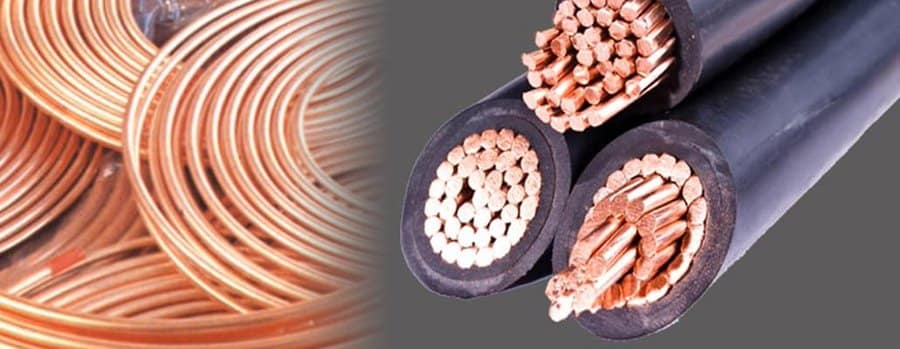
In a concealed section of the warehouse, behind a false wall of storage shelves, officers discovered a fully operational cable-stripping assembly line. Two industrial-scale stripping machines, capable of peeling tons of insulation in minutes, sat humming, still warm from recent use. Piled nearby were over 3.2 tonnes of freshly harvested, medium-voltage copper cable—enough to leave several city blocks powerless for weeks. The raw value of the copper was estimated at nearly R850,000, but the cost to the city in repair, lost revenue, and community disruption was immeasurably higher.
“The sophistication was alarming,” noted Captain Thandi Mbeki of the SAPS. “This wasn’t a chop-shop in a backyard. This was an industrial-scale processing plant. They had loading bays, weighbridges, and packaged the copper for bulk sale as if it were a legitimate commodity.”
The Arrests and the Alleged Scheme
Six individuals were arrested on the premises. Among them were not only the alleged ringleader, the 42-year-old owner of Volt-Pro Solutions, but also two former City Power subcontractors, a registered scrap metal dealer from Springs, and two truck drivers. This mix, authorities say, reveals the syndicate’s chilling efficiency.
The alleged modus operandi was brazen in its simplicity. The contractor-linked individuals, using inside knowledge of network layouts, maintenance schedules, and security patrols, would identify high-value, vulnerable sections of underground cable. Using company vehicles and uniforms to avoid suspicion, they would then excavate and sever the cables, often reporting a “fault” to cover their tracks. The stolen cable would be transported to the Fordsburg warehouse in trucks with false manifests, processed overnight, and sold to complicit scrap dealers who provided fraudulent certificates of origin.
“The most devastating part of this crime is the breach of trust,” lamented Ms. Lindiwe Khumalo, City Power’s Managing Director. “These contractors are hired to be our hands and eyes in the field, to protect and maintain the system. Their alleged involvement represents a direct stab in the back to every Johannesburg resident suffering through unnecessary blackouts.”
Community Reaction and the Larger Fight
In Fordsburg, news of the bust was met with weary relief and simmering anger. “Every time the lights go out, my freezer defrosts, my kids can’t study, and my small bakery loses a day’s dough,” said Mrs. Aisha Patel, a shop owner on Fourth Street. “To think the people causing it might have been the same ones we called to fix it… it makes your blood run cold.”
The bust is a significant victory for City Power’s new, more aggressive strategy. In recent months, the utility has ramped up its forensic auditing, implemented stricter vetting and monitoring of contractors, and deployed new technologies like cable DNA marking and motion-sensor cameras in key substations. They are also pushing for tighter enforcement of the Second Hand Goods Act and advocating for harsher penalties specifically for essential infrastructure theft.
The six suspects are expected to face a litany of charges including essential infrastructure vandalism, theft, corruption, possession of stolen property, and fraud. They have been denied bail pending a formal application, as prosecutors argue they are a flight risk and pose a threat to a critical public service.
As the suspects await their day in court, the message from City Power is clear: the war under the streets is entering a new phase. The enemy is no longer just in the shadows; it is sometimes in a branded hard hat. And for the residents of Johannesburg, this bust offers a flicker of hope—a sign that the lights, once stolen from below, might finally be shining on those who profit from the darkness.
About The Author