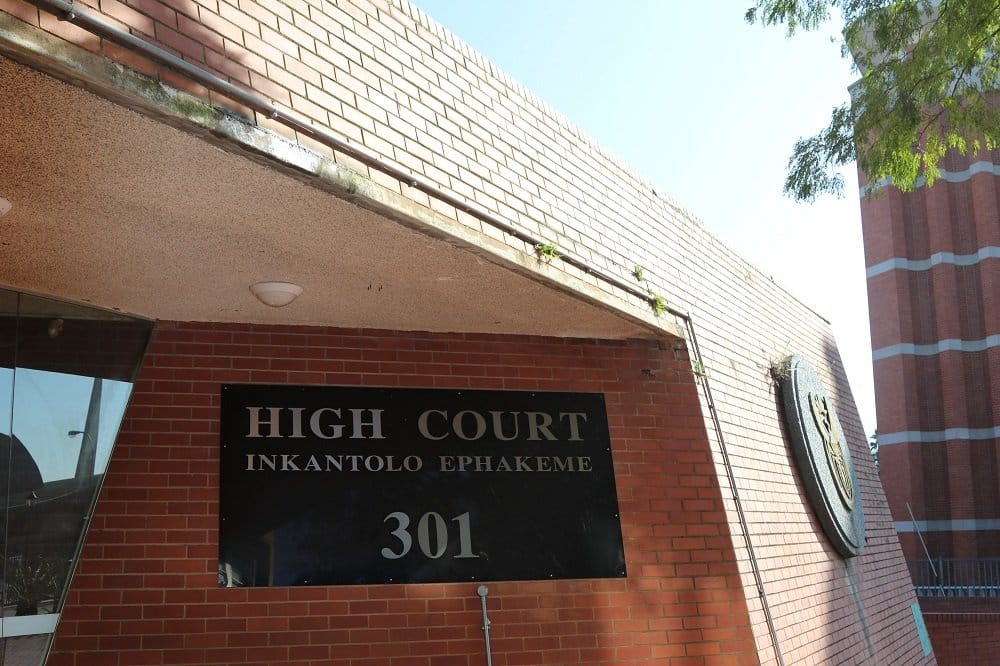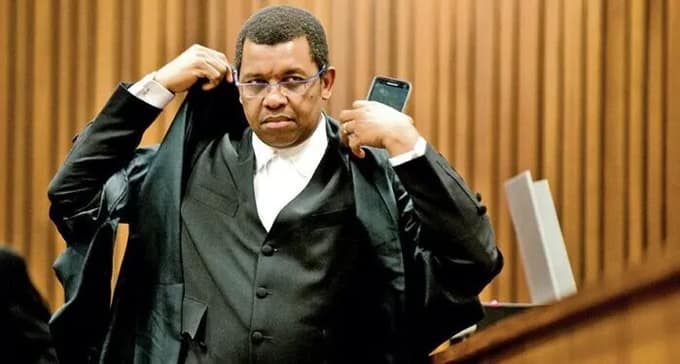
A tense legal battle in the North Gauteng High Court has escalated into a full-blown constitutional confrontation, with Advocate Dali Mpofu, representing the uMkhonto weSizwe (MK) Party, launching a scathing attack on President Cyril Ramaphosa. The core of the accusation is that the President acted unlawfully and overstepped his executive authority by placing Police Minister Senzo Mchunu on a leave of absence, an act Mpofu argues amounts to a “de facto dismissal” without due process.
The Genesis of the Dispute: A Power Struggle at the Top
The controversy stems from President Ramaphosa’s decision to grant Minister Mchunu a “leave of absence” amid a period of intense political friction. While the Presidency framed the move as a routine administrative measure, the MK Party and its allies interpreted it as a politically motivated maneuver to sideline a minister perceived to be aligning with a faction critical of the President.
Mpofu, in his characteristically forceful style, argued before the court that the President’s action violates the foundational principle of our constitutional democracy: the separation of powers. He contended that while the President has the prerogative to hire and fire members of his cabinet, this power is not absolute and must be exercised within the bounds of the law.
The Legal Core: “Leave of Absence” or Unlawful Suspension?
The legal argument hinges on the nature of a “leave of absence.” Mpofu asserted that this is not a recognized constitutional or statutory tool for dealing with a sitting minister. By unilaterally placing Mchunu on leave, Ramaphosa effectively suspended him from his duties without any formal process, thereby undermining his authority and the functioning of the South African Police Service (SAPS).
“This so-called ‘leave of absence’ is a constitutional orphan,” Mpofu argued before the bench. “It has no basis in our law. It is a euphemism for an unlawful suspension, a backdoor attempt to neutralize a Minister without the courage to formally dismiss him. The President has, in effect, amended the Constitution by executive fiat.”
A Broader Political Battlefield
The courtroom drama is merely one front in a wider political war. The MK Party, led by former President Jacob Zuma, has positioned itself as a primary challenger to the African National Congress (ANC) under Ramaphosa. By taking the President to court, the MK Party is not only seeking Mchunu’s immediate reinstatement but is also aiming to score a significant political victory by painting Ramaphosa as an autocratic leader who disregards the rule of law.
The outcome of this case has profound implications. A ruling in Mpofu’s favor would be a stinging judicial rebuke of the President, potentially forcing Mchunu’s return and setting a legal precedent that curtails the executive’s power over the cabinet. It would be a major boost for the MK Party’s narrative of a “lawless” Ramaphosa administration.
Conversely, a victory for the Presidency would reinforce the scope of executive authority and allow Ramaphosa to manage his cabinet with greater latitude. However, it would likely intensify political accusations of an overbearing presidency.
As the legal arguments conclude, the nation awaits a ruling that will not only decide the fate of a police minister but will also delineate the precise boundaries of presidential power in South Africa’s young democracy. The “Mchunu Leave Saga” has become a landmark case, testing the resilience of the country’s constitutional order against the pressures of raw political power.
About The Author