
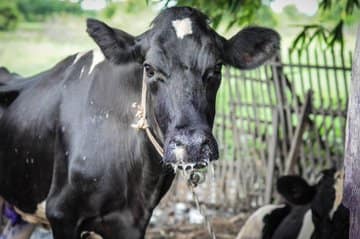
Residents in the City of Tshwane are now required to obtain official permission before slaughtering livestock for personal, cultural, or religious purposes, as authorities respond to the ongoing outbreak of Foot-and-mouth disease.
The measure forms part of broader efforts to contain the spread of the highly contagious animal disease, which affects hoofed animals. The outbreak has raised concerns about food safety, animal health, and the potential economic impact on local farmers and communities that rely on livestock.
Residents intending to slaughter animals must submit detailed information to the municipality before proceeding. This includes the purpose of the slaughter, the number of animals involved, the location and date, as well as personal identification and contact details. The application process is managed through designated municipal officials assigned to different regions across Tshwane.
Once an application is submitted, the City assesses the request and may either grant approval or request additional information. Veterinary Public Health officials are typically involved in the process to ensure that slaughter practices meet hygiene and safety standards. Their role also includes monitoring the process and offering guidance to prevent the spread of disease.
The regulations come at a particularly sensitive time, with religious and cultural slaughter practices, requiring careful coordination to balance tradition with public health concerns. Animal welfare organisations, including the National Council of Societies for the Prevention of Cruelty to Animals, are also expected to play a role by advising communities on humane and hygienic slaughter practices.
Authorities are urging residents to comply with the new requirements, warning that unregulated slaughter could accelerate the spread of the disease and pose risks to both animal and human health. The City’s intervention highlights the importance of coordinated action during disease outbreaks, particularly in urban areas where informal slaughter practices are more difficult to monitor.
As the situation develops, residents are encouraged to stay informed and work closely with municipal and veterinary officials to ensure that cultural practices can continue safely without compromising public health.
About The Author


