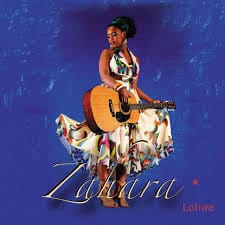
A single tweet from media personality Sizwe Dhlomo has ripped the lid off a long-simmering conversation about artist exploitation in the South African music industry, using the poignant example of the late, beloved songstress Zahara.
The discussion ignited when Dhlomo took to X (formerly Twitter) to question the widely circulated but unverified claim that Zahara’s multi-platinum, culture-defining 2011 debut album, Loliwe, generated a staggering R20 million in revenue for Sony Music, while the artist herself reportedly received a mere R500,000.
“Let’s talk about this,” Dhlomo wrote, framing the issue with stark clarity. “The music business isn’t about talent. It’s about capital. The people with the machines always eat first, and the most.” His post, which quickly amassed over 3,600 engagements, acted as a lightning rod for collective frustration, drawing in musicians, producers, and fans to share their stories and insights.
The thread swiftly evolved into a painful post-mortem of Zahara’s well-documented financial struggles. Fellow artists and industry insiders recounted her public and acrimonious disputes with TS Records, the label that initially discovered her. Zahara had consistently spoken out about unpaid royalties and being trapped in an exploitative contract that left her, despite selling hundreds of thousands of albums, financially vulnerable. Her heartbreaking revelations of being “penniless” at the height of her fame were cited as a tragic testament to a broken system.
The conversation, however, moved beyond Zahara’s specific case to diagnose the systemic illnesses plaguing the sector. Two key mechanisms of artist disadvantage were highlighted:
- 360-Degree Deals: Commenters explained how many artists, especially young and eager newcomers, sign contracts that grant labels a percentage of all their income—including touring, endorsements, and merchandise—not just music sales. This model, while providing upfront investment, can severely limit an artist’s long-term earning potential.
- Needletime Royalties: A significant point of contention was the uneven distribution of needletime royalties—fees paid when music is broadcast publicly. Many artists detailed how complex bureaucracy and a lack of transparency often prevent the actual performers and composers from receiving their fair share, with funds sometimes being misdirected or absorbed by intermediaries.
While the exact figures of Zahara’s earnings from Loliwe remain unconfirmed, the discussion underscored that her story is not an anomaly, but rather a stark example of a common narrative. Dhlomo’s tweet, and the flood of responses it prompted, has successfully shifted the public gaze from mere scandal to a critical examination of the power dynamics and financial structures that continue to disadvantage artistic talent in favor of corporate capital, leaving a lasting question: How many more artists must be lost before the industry is forced to change?
About The Author