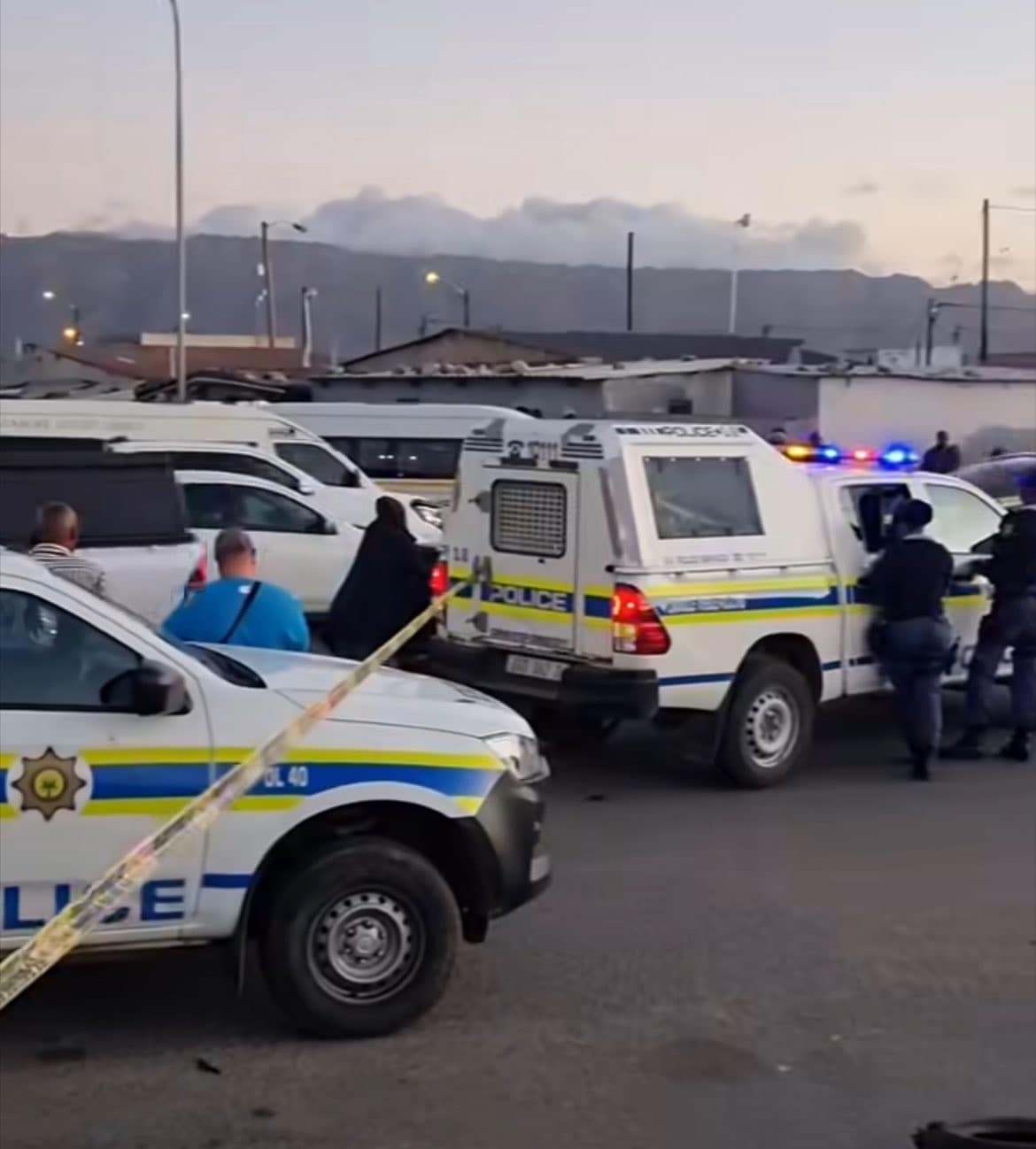
A devastating wave of violence has engulfed the Cape Flats, with nearly 30 murders recorded in a brutal 72-hour period, pushing beleaguered communities to the brink and exposing the grim intersection of gang warfare and gender-based violence. The bloodshed, which includes a triple homicide in Mitchells Plain and the killing of an on-duty metro police officer, has been compounded by the murders of five women in separate femicide cases over four days, many occurring in gang-dominated areas.
The weekend’s carnage has cast a harsh spotlight on the latest official crime statistics, which revealed 263 gang-related murders in the Western Cape between October and December 2024 alone. This recent surge represents a violent spike that has stretched police resources to their limit and ignited desperate calls from residents for military intervention.
A Weekend of Unrelenting Bloodshed
The violence began on Friday evening and continued unabated through Monday. In one of the most brazen attacks, a triple homicide in Mitchells Plain claimed the lives of three men in their twenties, believed to be collateral damage in a territorial dispute between rival gangs. The community was further shaken by the death of a Metro Police officer, shot while responding to a reported robbery in the same area, a stark reminder of the dangers faced by law enforcement.
Interwoven with the gang violence is a parallel crisis of femicide. The five women killed over the same period were not merely statistics; their deaths tell a story of intimate partner violence and vulnerability within violent communities. One victim, a 24-year-old mother from Manenberg, was found in her home after neighbours reported hearing an argument. Another, in Hanover Park, was killed in a suspected crossfire, a bystander caught in the relentless cycle of gang conflict.
“We are not just fighting gangs; we are fighting a war on two fronts,” stated a trauma counsellor from the Philisa Abafazi Bethu centre, who requested anonymity due to safety concerns. “The same toxic masculinity that fuels gangsterism is killing our women in their homes. The terror is the same; only the address is different.”
Official Response and Community Desperation
In response to the crisis, provincial police commissioner Thembisile Patekile announced the immediate deployment of additional officers and the acceleration of integrated anti-gang strategies. “We are focusing on hotspot policing and pursuing known gang leaders,” Patekile said. “Our specialised units are working tirelessly to bring those responsible to justice.”
However, for many residents and community activists, these measures feel insufficient. A growing chorus, led by community policing forum (CPF) leaders, is formally petitioning for the deployment of the South African National Defence Force (SANDF) to quell the violence, a measure last implemented in 2019.
“Our police are brave, but they are outgunned and outmanned,” said a CPF representative from Gugulethu. “Our children cannot walk to school, and our mothers are afraid to sleep in their own homes. We need the army on our streets now. We cannot wait for another 30 bodies.”
The provincial government has echoed these calls, with the Premier’s office stating it is in “urgent discussions” with national government to secure the necessary support. As the debates over strategy continue in government offices, the residents of the Cape Flats are left to bury their dead, their calls for safety and peace echoing through streets stained by yet another cycle of violence.
About The Author