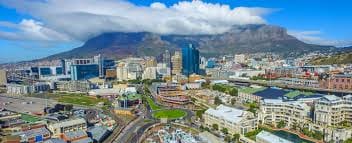
In the shadow of Table Mountain, a profound and painful transformation is accelerating. The city, long celebrated for its natural beauty and cultural vibrancy, is now at the epicenter of a severe housing crisis defined by a staggering statistic: the average monthly rent for a standard two-bedroom apartment has breached R19,000 (approximately $1,055 USD) as of January 2026. This figure is not just a number—it is a barrier that is reshaping communities, displacing long-term residents, and igniting fierce debate about the city’s future.
The rental market reveals a landscape of extreme disparity. In burgeoning northern suburbs like Parklands and Blouberg, once considered relatively affordable, rents for such units have leapt from around R11,000 to over R17,000 in just two years. In the Atlantic Seaboard’s glittering enclaves of Camps Bay and Clifton, the ceiling is virtually nonexistent, with two-bedroom apartments routinely listed between R45,000 and R60,000 per month. “We are witnessing a mass financial eviction,” says Noma-Afrika Mbele, a researcher with the Urban Futures Centre at CPUT. “The middle-class professional, the young graduate, the teacher, the nurse—these are the people being systematically priced out of their own city.”
The Perfect Storm of Global Demand
Analysts point to a confluence of global and local factors driving this surge:
- The Foreign Buyer Surge: Property transfer data reveals a seismic shift at the high end of the market. In 2025, foreign buyers accounted for 40% of all Western Cape property purchases over R10 million. This influx, primarily from Europe, the UK, and other African nations, is not limited to luxury villas; it cascades down, as investors snap up upper-middle-tier apartments as secure assets or income-generating properties, reducing the stock available for local renters.
- The “Digital Nomad” Effect: South Africa’s Remote Work Visa, launched to attract skilled professionals, has succeeded perhaps too well. Thousands of digitally mobile foreigners, earning in stronger currencies like euros or dollars, now call Cape Town home for months at a time. Their purchasing power effortlessly outmatches local salaries, allowing them to secure premium rentals at asking price, often sight unseen.
- The Short-Term Rental Explosion: The conversion of long-term housing into tourist accommodation continues unabated. According to data from the City of Cape Town, active Airbnb-style listings have surged by 190% since 2022. A penthouse in Sea Point or a cottage in Gardens that once housed a local family now functions as a perpetually rotating holiday let, offering far higher returns to owners. “Every ‘investment property’ that becomes a full-time Airbnb is a home lost to our community,” laments Derek Bock, a community activist in Observatory.
A Rising Chorus of Anger and Proposed Solutions
Frustration among Capetonians is boiling over into public discourse and policy demands. A coalition of tenant unions, civic organizations, and ordinary residents is calling for urgent intervention, proposing measures such as:
- A punitive municipal levy on non-principal, short-term rentals to disincentivize the conversion of long-term homes.
- Tighter regulation or a moratorium on Remote Work Visas in areas with extreme rental pressure.
- Increased transfer duties or a progressive tax on foreign property purchases, particularly for non-owner-occupied dwellings.
- An accelerated, large-scale rollout of affordable, well-located social and gap housing.
The Counterpoint: Beyond the “Foreigner” Narrative
While the narrative of foreign demand dominates, some economists and urban planners urge a more nuanced view. They argue that focusing solely on external factors risks ignoring deeper, structural pathologies.
- The Legacy of Apartheid Spatial Planning: Cape Town remains one of the world’s most segregated cities. The historical concentration of well-located land and housing in historically white, now affluent, suburbs creates a natural scarcity that inflates prices as demand grows.
- A Chronic Supply Deficit: Despite claims of a construction boom, development has failed to keep pace with population growth and internal migration. Bureaucratic delays, lengthy municipal approval processes, and “NIMBYism” (Not In My Backyard) opposition from existing affluent residents have consistently stalled higher-density, affordable projects in central areas.
- Local Investment and Speculation: A significant portion of high-end property buying is driven by wealthy South Africans from other provinces and local investors seeking safe-haven assets, further tightening the market.
“To blame this entirely on the foreigner is convenient but incomplete,” argues economist Thabo Dhlomo. “It lets local government, planners, and NIMBY residents off the hook. We have failed for decades to build an inclusive, dense, and accessible city. The global demand is simply exploiting a vacuum we created.”
As the summer sun glints off the luxury towers of the Waterfront and the Atlantic, a profound question hangs over Cape Town: Can it find a way to remain a global destination without sacrificing its own soul—and its own people? The skyrocketing rents are more than an economic indicator; they are the symptom of a city grappling with its identity in an unequal, interconnected world. The calls for action grow louder, and the city’s response will determine whether it becomes a playground for the global elite or manages to reclaim its future for all who call it home.
About The Author