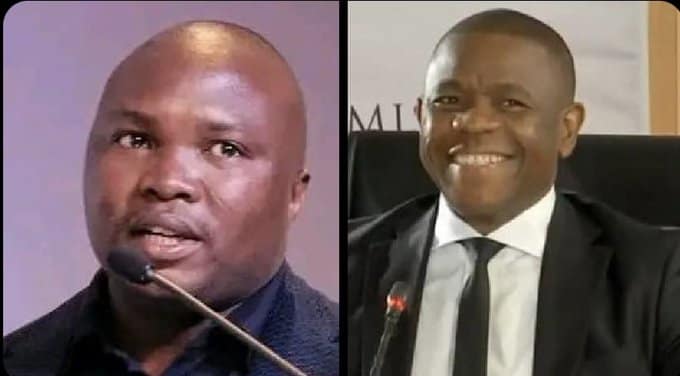
A high-stakes legal war of words between a private citizen and one of South Africa’s most prominent police chiefs is far from over. Calvin Mojalefa Mathibeli has filed a notice of appeal against a recent Durban High Court order that barred him from making further defamatory statements about KwaZulu-Natal Police Commissioner Lieutenant-General Nhlanhla Mkhwanazi.
The appeal, confirmed by legal sources on Tuesday, sets the stage for a fresh legal confrontation that legal experts say could test the constitutional boundaries between the right to freedom of expression and the protection of the reputations of public officials.
The initial ruling, handed down in the Durban High Court last month, granted Mkhwanazi an interim interdict against Mathibeli. The court order specifically prohibits Mathibeli from publishing, distributing, or communicating any further statements that the court deemed defamatory against the General. It followed a series of social media posts and public statements made by Mathibeli that Mkhwanazi’s legal team argued were malicious, unfounded, and designed to tarnish the Commissioner’s standing in the community.
While the text of the appeal has not yet been made public, Mathibeli’s decision to challenge the ruling indicates a belief that the High Court may have overstepped in silencing him, potentially infringing on his constitutional right to speak freely, even about a high-ranking state official.
A Clash of Constitutional Rights
At the heart of the impending appeal is a classic and complex South African legal dilemma: the right to dignity and reputation (Section 10 of the Constitution) versus the right to freedom of expression (Section 16).
Lieutenant-General Mkhwanazi is not an anonymous bureaucrat. As the top police official in one of South Africa’s most volatile provinces, he is a public figure frequently in the media, often speaking on issues of crime, political violence, and state corruption. His high profile, legal analysts suggest, could be a central pillar of Mathibeli’s argument.
“In cases involving public figures, the threshold for what constitutes defamation is often higher,” explained legal analyst Nthabiseng Dubula. “The appellant will likely argue that as a public official, Mkhwanazi must tolerate a greater degree of criticism, even if it is harsh or unwelcome, in the interest of open debate about police conduct and public accountability.”
However, Mkhwanazi’s legal team is expected to counter that the right to criticize does not extend to a license to defame. They will likely argue that the statements in question crossed the line from protected opinion or fair comment into the realm of unlawful personal attacks that damage the Commissioner’s ability to perform his duties and lead the police force.
The “Chilling Effect” Argument
Mathibeli’s appeal is being watched closely by free speech advocates and media organizations, who often view interim interdicts with concern. Such court orders, issued before a full trial on the merits of the defamation claim, can have what is known as a “chilling effect” on free expression.
Interdicts are preventative measures; they stop speech before it happens. In his appeal, Mathibeli is likely to argue that the High Court was too quick to silence him without properly testing the truthfulness of his statements or his right to make them. He may contend that the interdict was overly broad, preventing him not only from repeating the disputed statements but from engaging in any future criticism of the Commissioner, even if it is legitimate.
Mkhwanazi’s camp, however, will maintain that the interdict was a necessary and proportionate response to a sustained campaign of vilification. They are expected to present evidence that the statements caused concrete harm to the General’s reputation and that without the court order, Mathibeli would continue to cause irreparable damage.
What Happens Next?
The filing of the notice of appeal is just the first procedural step. Mathibeli must now formally apply to the Supreme Court of Appeal (SCA) in Bloemfontein, or potentially petition the KwaZulu-Natal Division directly for leave to appeal. He will need to convince a panel of judges that there is a reasonable prospect that another court would come to a different conclusion than the Durban High Court.
If leave to appeal is granted, the case will be argued before the SCA. A judgment there could set a significant precedent for how South African courts balance the reputation of powerful state officials against the rights of citizens to criticize them.
For now, the interim interdict remains in place, meaning Mathibeli is legally bound to refrain from making the statements in question. But with the appeal now formally on the table, what began as a local dispute in Durban is poised to become a significant test of constitutional law, with implications that could echo far beyond the careers of the two men at its center.
About The Author