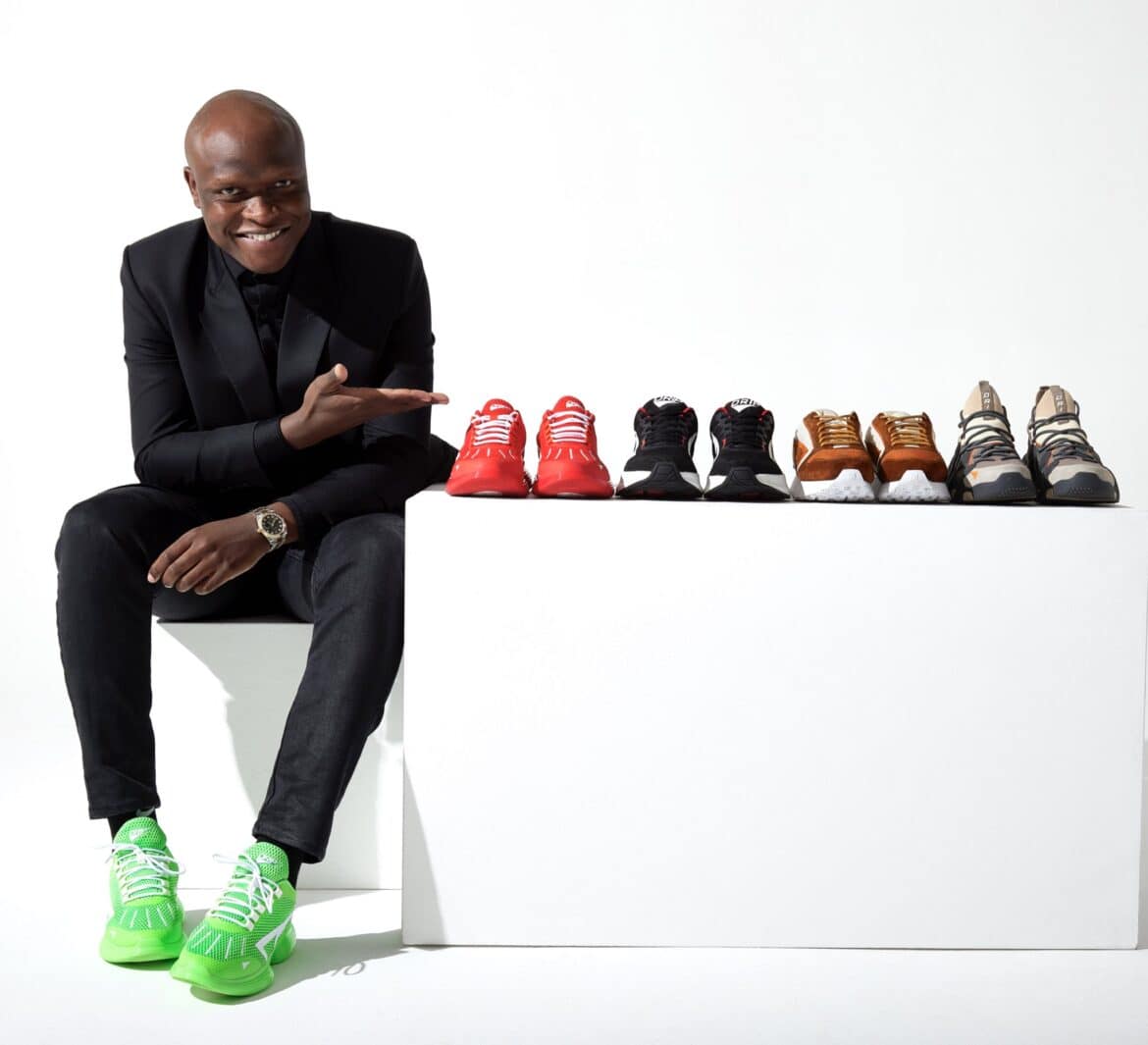
In a powerful defense of brand integrity and entrepreneurial effort, prominent South African businessman Lekau Sehoana has publicly championed DJ Zinhle’s jewellery line, Era, amidst a swirling online debate that saw social media users unfavorably comparing her products to cheaper lookalikes found on the fast-fashion platform Shein.
The controversy ignited when users on platforms like X (formerly Twitter) and TikTok began posting side-by-side comparisons of Era’s pieces with near-identical designs available on Shein for a fraction of the price. This sparked a wave of criticism questioning the value and pricing of the local celebrity-owned brand, a common challenge faced by many homegrown businesses in the age of global e-commerce.
Sehoana, the founder and CEO of the highly successful Drip Footwear, entered the fray not with a brief comment but with a detailed, impassioned post on social media that served as a masterclass in brand economics. He articulated the fundamental difference between a business built for quick sales and one built for a lasting legacy.
“Let’s get this straight,” Sehoana began, cutting to the heart of the issue. “When you buy from @djzinhle’s Era, you are not just buying a product. You are buying into a vision, a standard of quality, and a story. You are investing in a South African brand that employs people, pays its taxes here, and is building a legacy.”
He meticulously broke down the unseen costs that fast-fashion giants like Shein externalize. “Shein doesn’t care if the gold peels off after two weeks. They don’t care about the working conditions in their factories or the environmental cost of their operations. Their entire model is based on volume and speed, not quality or community,” he argued, highlighting the ethical and qualitative chasm between the two entities.
Sehoana, who has built Drip from a dream into a multi-million rand enterprise, spoke from a place of deep empathy and shared experience. He detailed the immense burdens local brands carry: research and development, quality control, local manufacturing costs, marketing, and building a reliable customer service infrastructure—all factors that contribute to a higher price point but also ensure a better customer experience and a sustainable business.
“Building a legacy is hard,” he stated, a line that resonated with countless fellow entrepreneurs. “Every decision matters. Every product must represent your name. When you buy from Zinhle, you are supporting a Black woman who is building something real for herself and her family, and creating opportunities for others in this country. That has a value that a Shein package can never contain.”
The public defense has been met with widespread support, shifting the online conversation from one of critique to one of appreciation for the struggles and triumphs of local entrepreneurship. It serves as a poignant reminder that the true cost of a product isn’t just in its materials, but in the ecosystem it supports and the legacy it seeks to build—a value fast fashion is notoriously designed to ignore.
About The Author