A palpable sense of cautious optimism hangs over Pretoria this morning as economists, investors, and policymakers eagerly await the latest reading on the health of the nation’s economy. Later today, Statistics South Africa (Stats SA) is set to unveil the fourth-quarter gross domestic product (GDP) figures for 2025, and all indications suggest the country is poised to record another positive chapter in its economic recovery story.
If the forecasts hold, the upcoming data will confirm that South Africa has successfully extended its positive growth streak, marking a sustained—albeit fragile—period of expansion. This would be a significant morale boost for an economy that has spent the better part of the last decade battling structural constraints, load-shedding, and global economic headwinds.
The fourth quarter of 2025 was always going to be a critical test. Analysts have been closely monitoring a range of indicators, from improved business confidence and a rebound in consumer spending during the festive season, to relative stability in the energy supply. While the threat of load-shedding has not been entirely eliminated, the marked reduction in rolling blackouts during the latter half of the year provided businesses with the predictability needed to operate and invest.
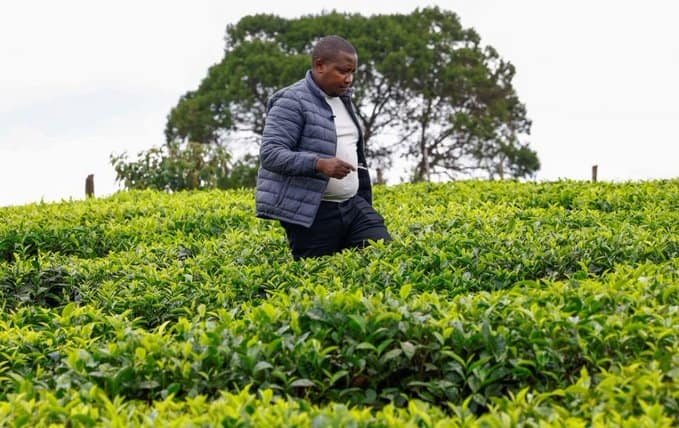
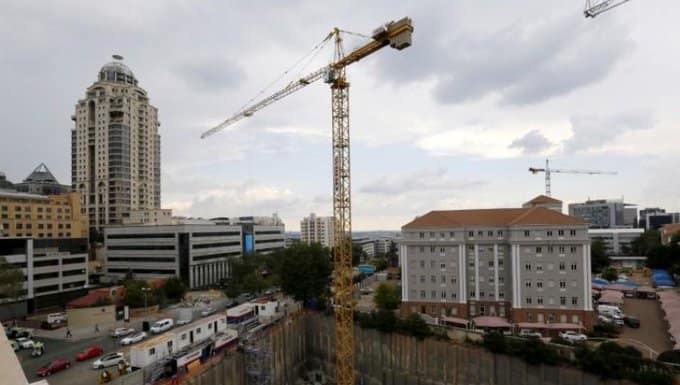
Market consensus points to modest but steady growth. Many economists predict a quarterly expansion in line with the previous quarters, reinforcing the narrative of a slow but steady climb. Sectors such as finance, real estate, and business services are expected to have performed well, while agriculture and manufacturing may show mixed results depending on regional conditions and export demand.
However, the “positive growth streak” headline, while welcome, is expected to come with important caveats. The growth, though positive, is likely to remain below the levels South Africa needs to make a significant dent in its towering unemployment rate. For every percentage point of growth, the jobs market requires a much more vigorous expansion to absorb the thousands of new entrants seeking work each year.
Furthermore, the global environment remains uncertain. While inflation has cooled slightly, supply chain issues and fluctuating commodity prices continue to pose risks to the country’s export-driven industries.
Despite these challenges, a positive Q4 result would provide the Government of National Unity with a stronger hand as it formulates the upcoming budget. It would suggest that the reform agenda and efforts to stabilize key sectors like logistics and energy are beginning to yield tangible, if incremental, results.
As the clock ticks down to the release from the Stats SA offices in Pretoria, the nation holds its breath. For the man on the street, the GDP figure is an abstract number. But for the architects of the economy, it is the scorecard by which the success of their recovery plan will be judged. All eyes are on the data, hoping that the numbers confirm what the sentiment has been suggesting: that South Africa is, slowly but surely, turning a corner.
About The Author