In a move that signals a pivotal moment for Africa’s most industrialised economy, a consortium of the world’s energy titans, including Indian billionaire Gautam Adani, has entered the fray to bid on South Africa’s monumental R440-billion grid expansion plan. This ambitious initiative represents the nation’s most decisive leap yet in its arduous journey to end years of debilitating electricity shortages that have stifled economic growth and frustrated its citizens.
The programme, known as the Independent Transmission Projects (ITP), is far more than an infrastructure upgrade; it is the essential backbone for South Africa’s energy future. Its core objective is to add a staggering 14,000 kilometres of new high-voltage transmission lines. This expanded grid is designed to achieve two critical goals: firstly, to stabilise the national power supply and end the persistent rotational blackouts known as load-shedding; and secondly, to unlock the vast potential of renewable energy in regions like the sun-drenched Northern Cape and the wind-rich coastal areas, where new projects have been stalled due to a lack of grid capacity.
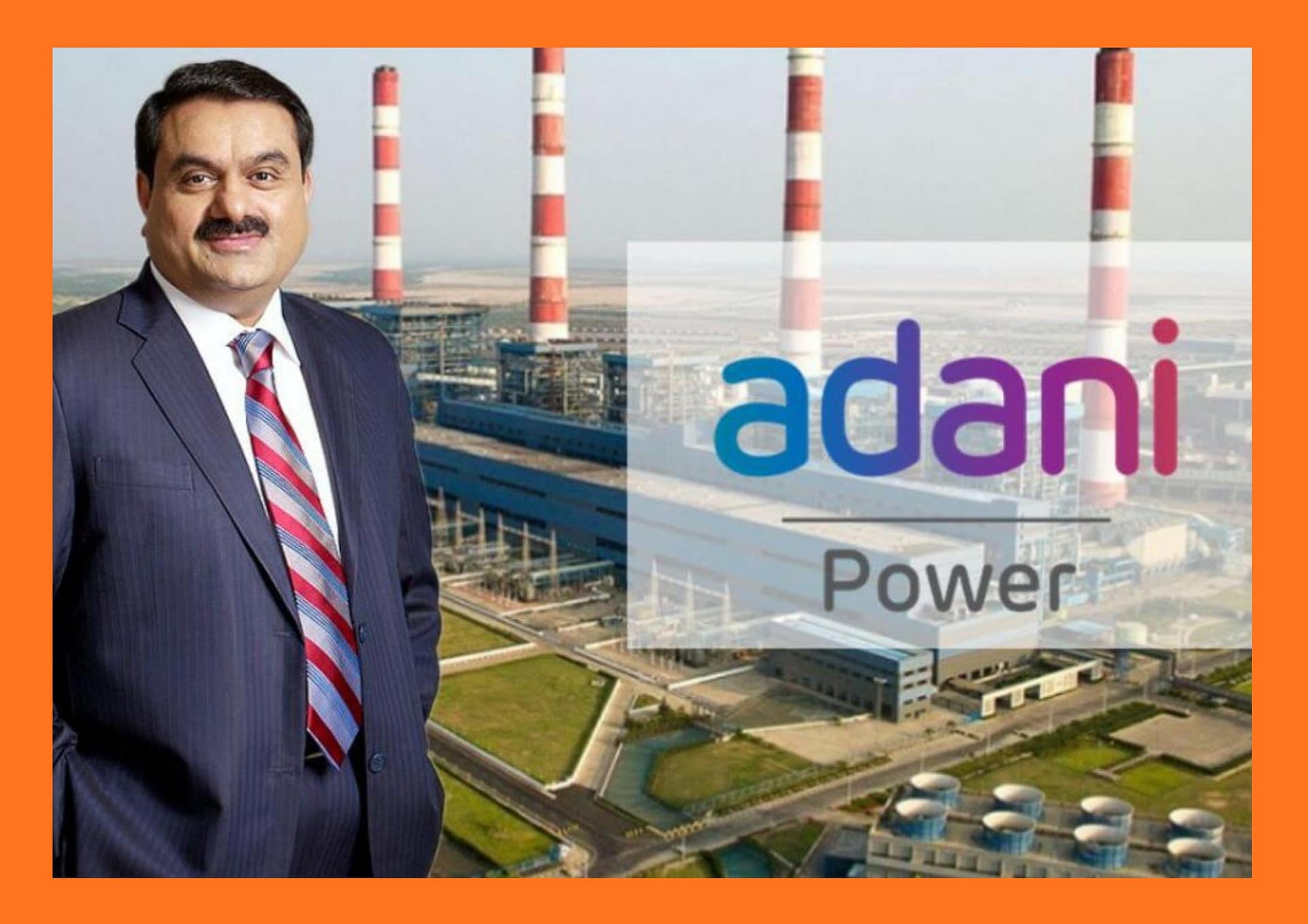
The list of 17 pre-qualified bidders reads like a who’s who of the global energy sector. The involvement of Adani Power, alongside Chinese behemoth China Southern Power Grid and France’s state-owned Électricité de France (EDF), underscores the immense scale and international significance of the tender. These are not mere contractors; they are entities with the financial muscle, technical expertise, and project management prowess to undertake one of the largest infrastructure projects in South Africa’s history.
The bidding structure itself is a novel fusion of public oversight and private innovation. Backed by a framework of government credit guarantees designed to de-risk the investment, the initiative mandates that international players form partnerships with local South African companies. This ensures that a significant portion of the expertise, jobs, and economic benefits are retained within the country, fostering a new era of local skills development in the energy sector.
Analysts are heralding this as South Africa’s most significant step toward energy reform since the dawn of democracy. For decades, the state-owned power utility Eskom has been the sole operator of the national grid. The ITP programme boldly breaks this monopoly, introducing private capital and competition in a bid to achieve what a single, financially strained entity could not.
“The success of this tender is non-negotiable for South Africa’s future,” stated a senior energy analyst. “It’s not just about keeping the lights on today. It’s about building the arterial network that will power our economy for the next 50 years, enabling a transition to a cleaner, more reliable, and ultimately more affordable energy system. The world is watching to see if this public-private model can become a blueprint for other nations facing similar crises.”
The outcome of this high-stakes bidding war will therefore determine more than just the winners of a contract; it will chart the course for South Africa’s industrial competitiveness, its environmental commitments, and its ability to provide a fundamental service to its people. The R440 billion price tag is not merely a cost, but an investment in a future where the lights stay on, industries thrive, and South Africa reclaims its position as a stable engine of African growth.
About The Author