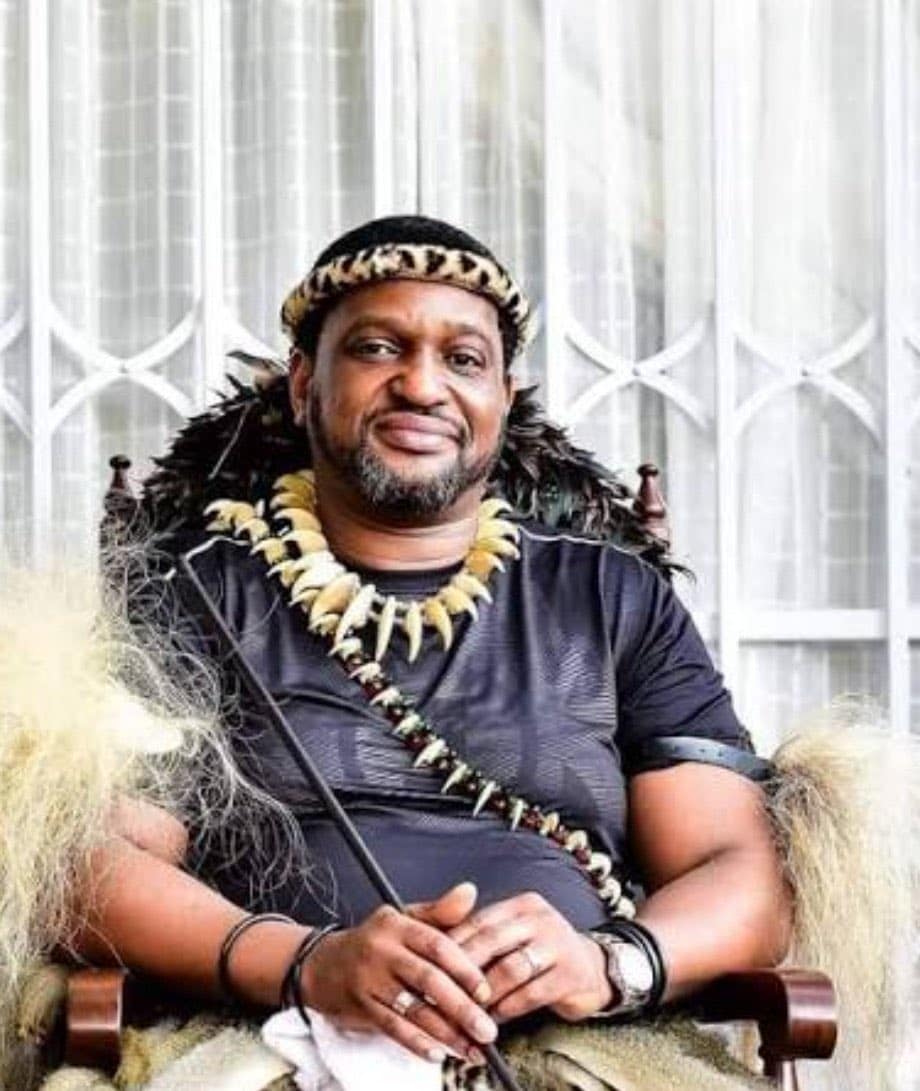
In a move that resonates deeply with tradition and protocol, His Majesty King Misuzulu KaZwelithini, the reigning monarch of the Zulu nation, has announced the indefinite postponement of his much-anticipated traditional wedding to his fiancée, Queen Nomzamo Myeni. The ceremony, a significant national event for millions of Zulu people, was originally scheduled for November 9, 2025.
This decision comes as a direct response to the recent passing of Queen Majiyane, the revered wife of the late Prince Golden Zulu, a senior member of the royal family. The postponement underscores the powerful and enduring nature of Zulu custom, which mandates a period of mourning that prohibits celebratory activities.
Honouring Custom in a Time of Loss
The announcement was made through a formal statement from the Royal Household, which emphasized the King’s duty to uphold the traditions of his people. “In accordance with the sacred customs of the Zulu nation, ukuzila (the period of mourning) must be observed,” the statement read. “It would be against our culture to host a celebration of this magnitude while the Royal House is cloaked in sorrow. His Majesty, as the custodian of our traditions, leads by example in this time of collective grief.”
The period of ukuzila is a deeply respected practice, involving specific rituals, attire, and behavioural codes that demonstrate respect for the deceased and their family. The postponement of a king’s wedding, one of the most significant events in the royal calendar, is a profound demonstration of the principle that the nation’s cultural fabric takes precedence over even the most personal of royal plans.
A Ceremony Plagued by Delays
This marks the second major delay for the King’s traditional wedding, an event seen as crucial for solidifying his reign and ensuring the royal lineage. The ceremony was initially cancelled in January 2025 amid reports of internal family disputes and legal challenges to King Misuzulu’s ascension. While the monarchy has worked to present a united front, the repeated postponements highlight the ongoing complexities and tensions within the Royal Household as it navigates its role in modern South Africa.
The traditional wedding, or umembeso, is more than a personal union; it is a state affair. It involves intricate negotiations between families, the exchange of a substantial lobola (bride price), and public ceremonies that symbolically unite the king with his people. Each delay not only affects the royal couple but also disrupts a complex web of logistical, cultural, and political preparations.
Public Reaction: A Mix of Solidarity and Scrutiny
The public response to the announcement has been largely supportive, with the hashtag #RespectOurKing trending on South African social media. Many citizens have praised the King for his unwavering commitment to Zulu law.
“True leadership is shown in respecting our ancestors and our culture,” wrote one prominent cultural commentator online. “The King is putting his people’s traditions before his own happiness. That is the mark of an iNkosi (leader).”
However, the postponement has also sparked a parallel conversation, particularly among younger and urban Zulus, about the adaptability of certain traditions in the 21st century. Some have questioned the economic impact on local businesses in Ulundi and Nongoma that had begun preparing for the influx of tourists and celebrants. Others have engaged in broader debates about the duration and application of mourning periods, wondering aloud if there is room for modern interpretation.
The Path Forward
For now, the Royal Household has not indicated a potential new date, stating only that the wedding will be rescheduled “once the appropriate period of mourning has been observed and the Royal Family has concluded the necessary rites.” This open-ended timeline leaves the nation in a state of suspended anticipation.
As the Zulu nation mourns the loss of Queen Majiyane, the postponed wedding serves as a powerful reminder of the enduring strength of cultural identity. Yet, it also lays bare the challenges facing a centuries-old monarchy as it strives to maintain its relevance, unity, and ceremonial grandeur in a rapidly changing world. The wait for the King’s wedding continues, a symbol of both deep-rooted tradition and the unresolved questions hovering over the royal court.
About The Author