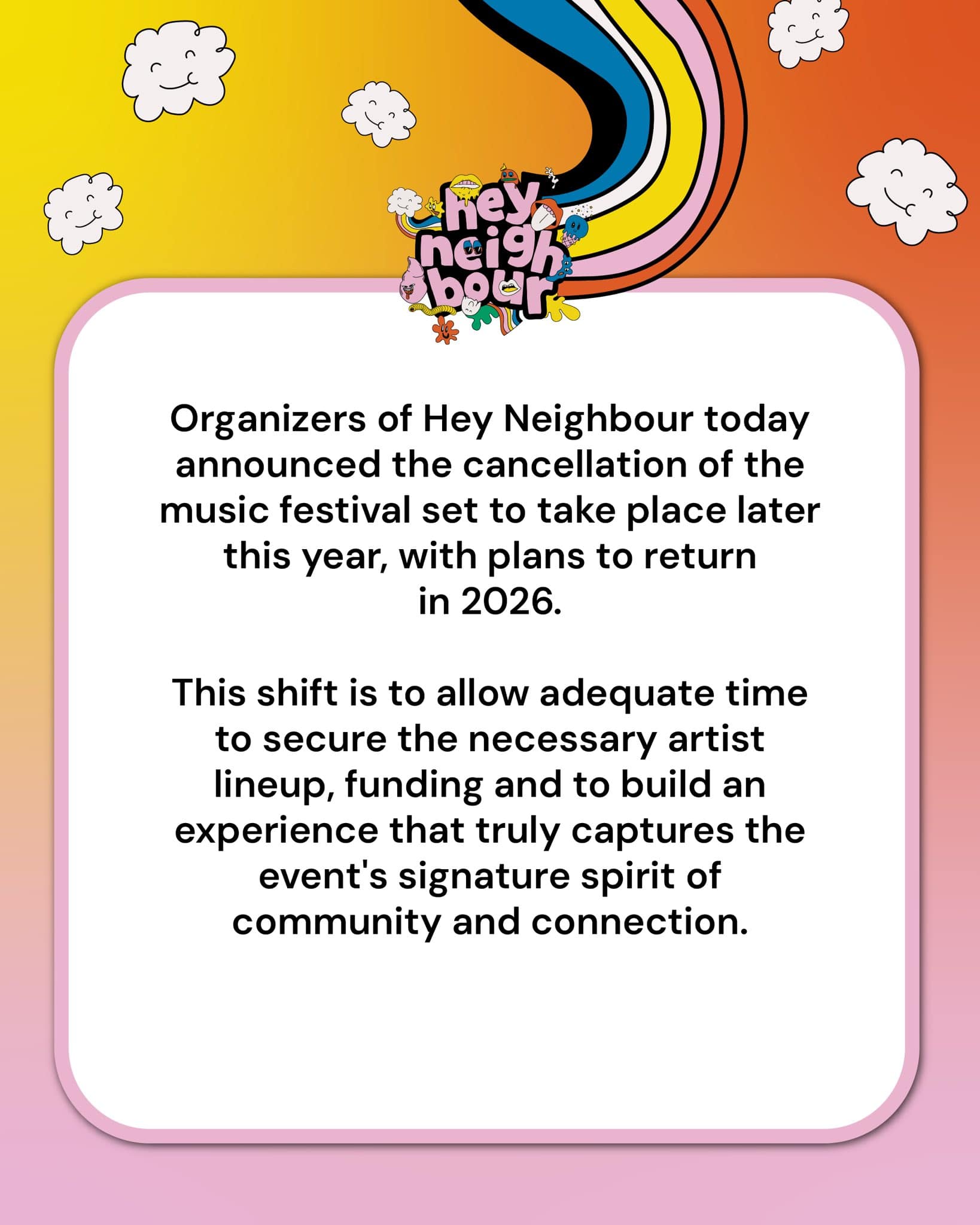
The highly anticipated return of the Hey Neighbour Festival has been officially scuttled, leaving a trail of disappointment and financial frustration for thousands of ticket holders. Organizers have confirmed the cancellation of the 2025 edition, citing a crippling combination of funding shortfalls and alarmingly low ticket sales, a decision that has now been compounded by a failure to process refunds by the promised deadline.
The festival, which had carved out a niche as a major music and lifestyle event in South Africa, was initially paused with the assurance that all purchased tickets would be fully refunded by October 10, 2025. However, that date came and went without payouts for the majority of attendees, sparking outrage and a flood of complaints across social media platforms.
In a recent series of interviews, festival founder Glen Netshipise offered a candid, albeit troubling, explanation. He admitted that operational costs incurred during the planning phase had already depleted a significant portion of the funds that were meant to be held in trust for refunds. This financial mismanagement has created a bottleneck with the ticketing partner, Ticketpro, which requires the funds from the organizer to initiate refunds to customers.
Netshipise issued a public apology for the “immense frustration and inconvenience” caused to loyal supporters. “We deeply regret the position we have put our fans in,” he stated. “Our intention was never to withhold funds, but we faced a perfect storm of financial pressures that we could not overcome in time.” He confirmed that a limited number of refunds have begun to be processed in a trickle, but could not provide a concrete timeline for when all customers would be reimbursed.
Despite the current crisis, the founder struck a note of defiant optimism, committing to issuing full repayments and simultaneously announcing plans for a triumphant return in 2026. This pledge, however, has been met with skepticism from a burned fanbase, who question the feasibility of resurrecting a festival brand now associated with financial unreliability.
The situation serves as a stark reminder of the precarious nature of the large-scale events industry. For now, the community that once gathered under the “Hey Neighbour” banner is left waiting, their trust broken and their wallets lighter, with only a vague promise of a future comeback to cling to.
About The Author