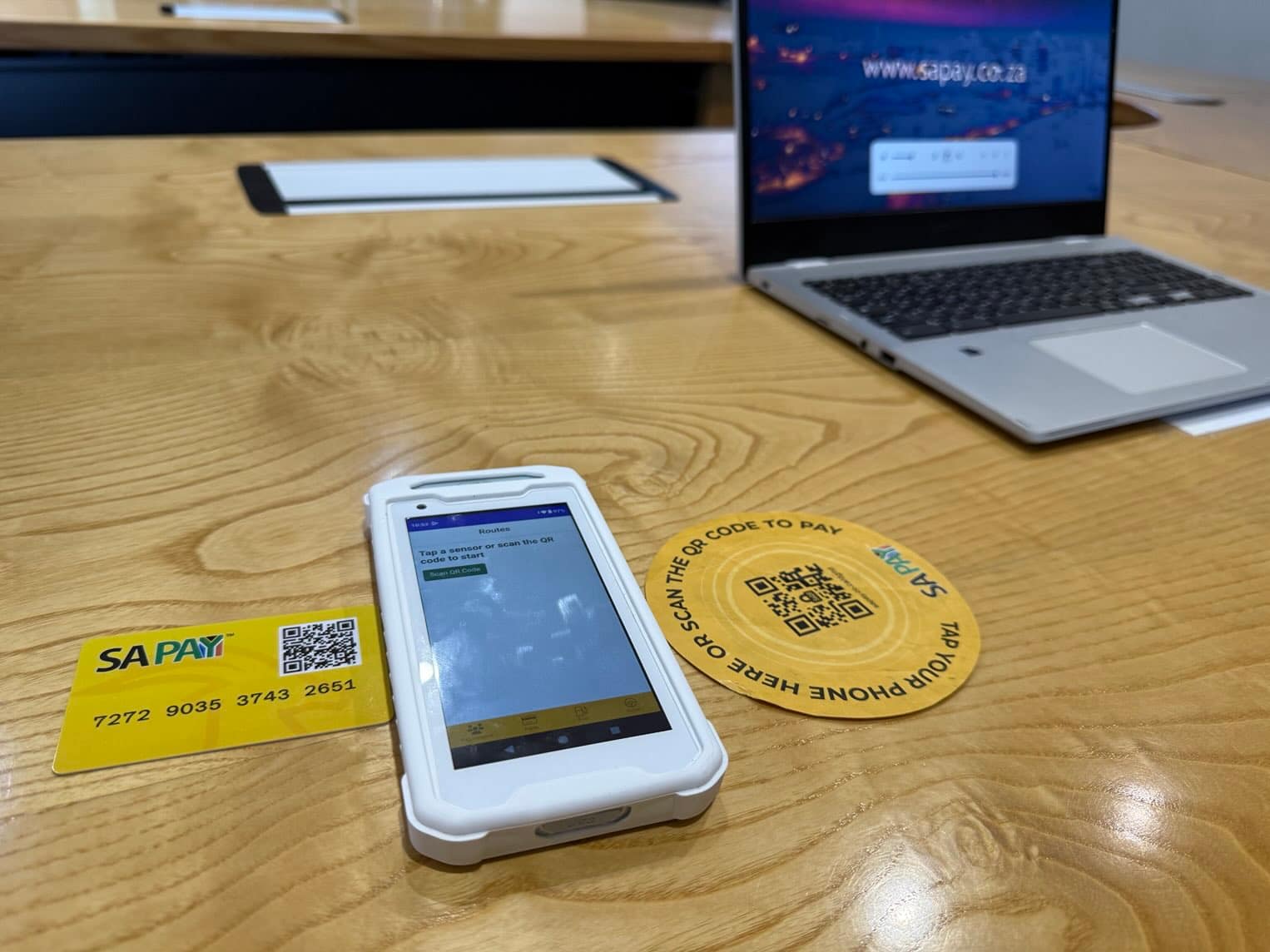
In a move that could fundamentally reshape the daily commute for millions, Gauteng Premier Panyaza Lesufi announced a landmark initiative on Tuesday: a comprehensive plan to transition the province’s sprawling, informal minibus taxi industry to a fully cashless payment system. This ambitious strategy aims to drag South Africa’s economic heartland into the future of digital finance, targeting the river of cash that flows through the system and has long made it a target for violent crime.
The vision, as outlined by the Premier, is one of seamless integration into the modern economy. Commuters will soon be able to pay their fares using a suite of digital tools: smartphones, traditional credit and debit cards, and even SASSA grant cards. This inclusivity is crucial, ensuring that pensioners and grant recipients are not left behind. The plan also includes prepaid options, mirroring the successful models used in public transit systems globally.
The primary driver behind this seismic shift is security. The minibus taxi industry, which moves the majority of South Africa’s workforce, has been plagued by cash-related violence. The constant movement of large sums of money has fueled a brutal ecosystem of armed robberies, ATM bombings, and heists, endangering drivers, commuters, and the public alike. By removing physical cash from the equation, the government aims to “cut off the oxygen” for these crimes, creating a safer environment for all.
This is not the first attempt to digitize taxi fares. Previous pilot programmes in various municipalities have yielded mixed results, often stumbling over low adoption rates, technological glitches, and resistance from both commuters and taxi operators accustomed to the immediacy of cash. However, the Gauteng plan appears to be building on these lessons. A key pillar of the rollout, potentially beginning as early as next year, is a strategic partnership with industry bodies. The existing agreement between MTN and the South African National Taxi Council (SANTACO) is cited as a foundational model, focusing on fintech integration that can provide tangible benefits to operators, such as better financial tracking and reduced cash-handling costs.
Despite the potential benefits, the announcement has been met with a chorus of mixed reactions. While many hail it as a necessary and forward-thinking step, significant concerns remain. Critics and civil society groups have pointed to the digital divide, questioning the accessibility for low-income users who may not own smartphones or have reliable data. There are also fears that the costs associated with the new technology, transaction fees, and point-of-sale device rentals could ultimately be passed on to commuters in the form of fare increases, burdening those who can least afford it.
The success of this bold vision will hinge on a delicate balance: demonstrating clear value to taxi owners, ensuring absolute convenience and affordability for commuters, and building a robust technological infrastructure that can withstand the chaos of a Gauteng rush hour. If successful, it could not only enhance safety but also formally bring a multi-billion rand informal industry into the regulated economy, unlocking new possibilities for data, subsidies, and long-term planning. The road to a cashless taxi is paved with good intentions, but the journey ahead will be closely watched by the entire nation.
About The Author