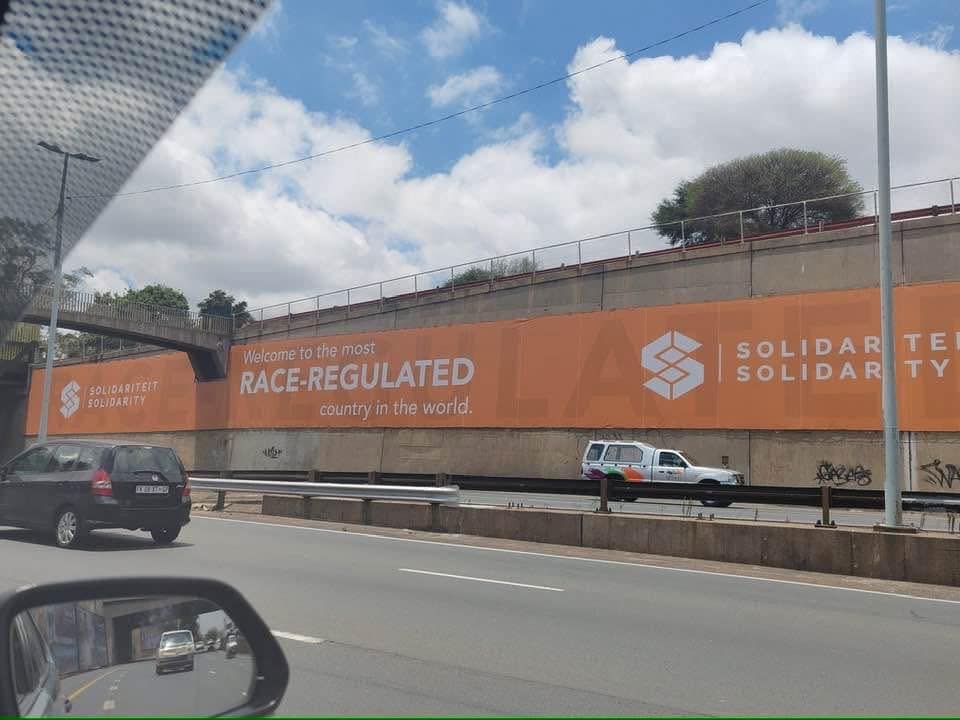
A war of words has erupted between the Gauteng Provincial Government and trade union Solidarity after Premier Panyaza Lesufi personally intervened to have the group’s prominent banner removed from the M1 highway, labelling it “racially sensitive” and a threat to the province’s image just days before it hosts the critical G20 Summit.
The large banner, erected on a bridge overlooking the key arterial route into Sandton—the epicentre of the upcoming summit—became the centre of a political storm on Tuesday. While the exact wording of the banner has not been officially confirmed by the government, sources indicate it referenced Solidarity’s controversial “Fight Fair” campaign, which the union says advocates for “minority rights” but critics argue employs rhetoric seen as echoing apartheid-era segregationist fears.
The Premiere’s Decisive Intervention
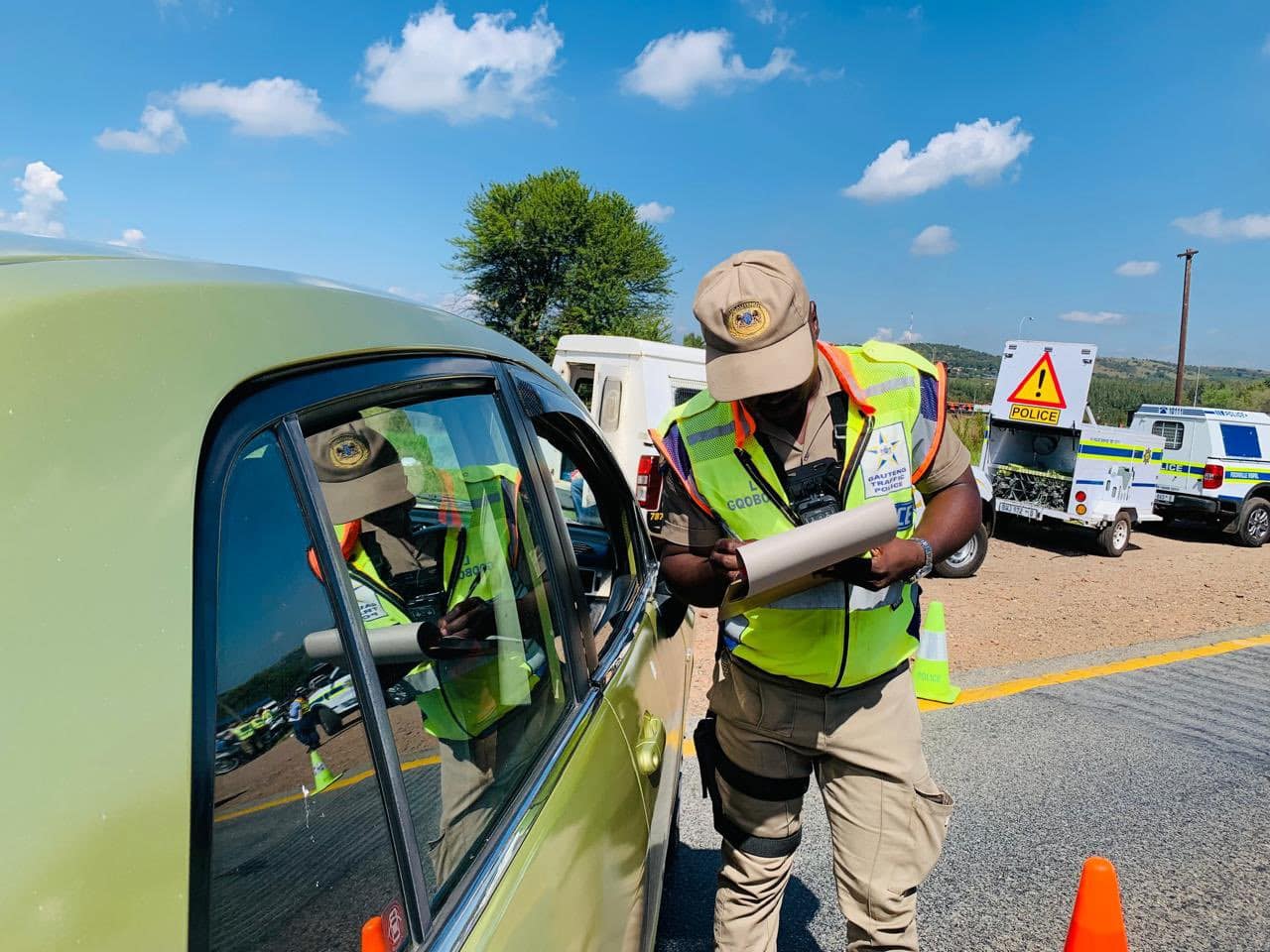
The removal was executed swiftly by Johannesburg Metro Police Department (JMPD) officials following a direct instruction from Premier Lesufi’s office. In a statement, the Premier’s spokesperson, Sizwe Makhubo, justified the action as necessary to preserve social harmony and present a unified front to the world.
“In the context of preparing to welcome global leaders for the G20 Summit, we cannot allow public spaces to be used for messaging that is divisive and has the potential to fuel racial tensions,” Makhubo stated. “This banner did not promote social cohesion. Our primary duty is to safeguard the reputation of Gauteng and ensure a safe, welcoming environment for all delegates. This was a proactive measure to prevent any potential for social discord.”
The move underscores the immense importance the government places on the G20 Summit, seen as a pivotal moment to showcase South Africa’s stability and potential on the world stage.
Solidarity’s Outcry: “Unlawful Censorship”
For Solidarity, the removal was not an act of civic responsibility but one of blatant censorship. The union insists it followed all standard legal and municipal protocols to secure permission for the advertisement.
“This is a chilling act of authoritarian overreach,” said Connie Mulder, Head of the Solidarity Research Institute. “The ANC government, under Premier Lesufi, is showing its true colours. They cannot tolerate any message that challenges their narrative, even when that message is entirely lawful. This has nothing to do with social cohesion and everything to do with silencing a dissenting voice.”
Mulder confirmed that the union is consulting its legal team and is prepared to take the municipality to court to challenge the removal and seek damages, arguing a violation of the constitutional right to freedom of expression.
The Unseen Message and the Broader Battle
The incident highlights the deeply sensitive and often polarised nature of public discourse in South Africa. Solidarity, which primarily represents Afrikaner employees, has long positioned itself as a defender of minority—particularly white Afrikaner—rights, culture, and language. Its campaigns often criticise government policies like Black Economic Empowerment (BEE) and employment equity, which it argues amount to “race-based exclusion.”
Analysts suggest that the government’s reaction, while framed around the G20, is part of a longer-running ideological conflict.
“This is a classic clash of two constitutional rights: the right to freedom of expression versus the state’s responsibility to promote nation-building and non-racialism,” explained political analyst Professor Lebogang Mokoena. “The government is arguing that the timing and content of the banner presented a ‘clear and present danger’ to social stability. Solidarity argues that this is a pretext for silencing opposition. The courts may now have to decide where that line is, especially in the heightened context of a major international event.”
As the G20 flags begin to go up along the same M1 highway, the removed banner leaves in its wake a potent question for South Africans: to what extent can, and should, the state curate public messaging in the name of unity, and at what cost to free speech?
About The Author