A national sigh of relief, tempered by profound grief, has greeted the release of the official 2025/26 festive season road safety statistics. Transport Minister Barbara Creecy announced today that South Africa recorded a five percent reduction in both road fatalities and the number of fatal crashes compared to the previous year’s devastating figures.
The provisional data, covering the period from 1 December 2025 to 15 January 2026, reveals that 1,427 people lost their lives in 1,172 separate fatal crashes across the country’s road network. While the decrease marks a hard-won positive trend, the sheer scale of the loss underscores the persistent and brutal war being waged on South Africa’s asphalt.
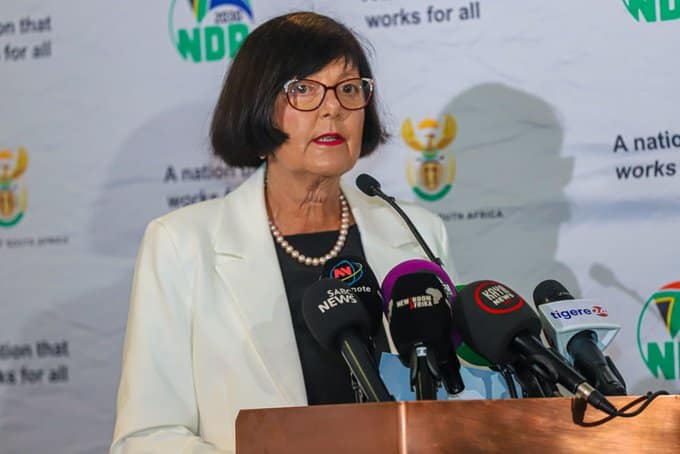
Minister Creecy, presenting the figures in Pretoria, framed the results within the context of intensified enforcement and public awareness campaigns. “While every life lost is one too many, and we mourn each of the 1,427 souls with their families, the downward trend indicates that our collective efforts are starting to bear fruit,” she stated. “The five percent reduction represents approximately 75 fewer deaths than the same period last year. These are not just numbers; they are fathers, mothers, children, and breadwinners who may have made it home.”
The Ministry’s report highlighted several critical factors behind the fatal collisions, with human behavior remaining the predominant cause. Preliminary analysis points to:
- Excessive speed as the leading contributor, particularly on long-distance routes between provinces.
- Pedestrian fatalities, which continue to constitute a staggering portion of the total, often linked to jaywalking, alcohol impairment, and poor visibility.
- Drunk driving, with thousands of motorists arrested at nationwide roadblocks.
- Fatigue and driver inattention, especially during the peak travel days before Christmas and after New Year’s.
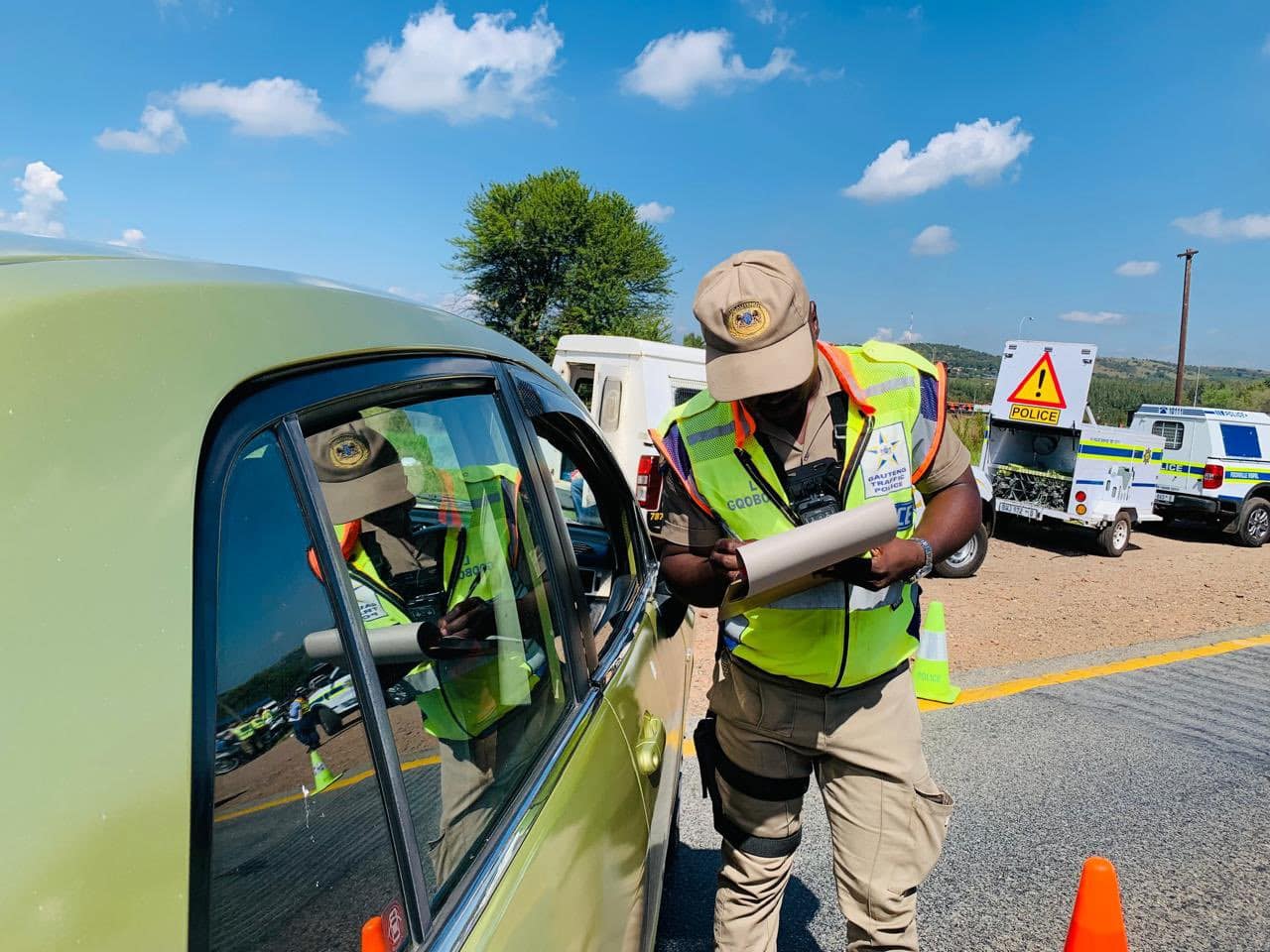
The Minister detailed the operational response, noting that law enforcement officials conducted over 1.5 million vehicle checks, issued more than 350,000 fines for various traffic offences, and arrested nearly 6,000 drivers for drunk driving. “The visibility of our officers, aided by technology like average speed-over-distance cameras and mobile testing units, was significantly increased on identified high-risk routes,” Creecy explained.
However, road safety advocates and opposition political parties were quick to offer a more critical perspective. Many acknowledged the marginal improvement but stressed that a 5% reduction is insufficient given the astronomically high baseline. “A decline is welcome, but we are still reporting a national catastrophe every December,” said a spokesperson for the Justice Project South Africa. “The figure of 1,427 deaths is still higher than in many years prior to the pandemic. We cannot normalise this level of bloodshed. It points to deeper systemic issues—from vehicle roadworthiness and licence integrity to the urgent need for safer pedestrian infrastructure.”
The data also revealed stark provincial disparities, with Gauteng, KwaZulu-Natal, and the Eastern Cape consistently reporting the highest number of incidents. The N3, N1, and N2 highways remained the most dangerous corridors.
As the country digests the statistics, the conversation is turning from enforcement to a more holistic approach. Calls are growing for improved public transport options, mandatory refresher driving courses, and more stringent consequences for reckless driving. For the 1,427 families now planning funerals, the numbers are a permanent and painful reality check. The Ministry has pledged to conduct a full, in-depth analysis of the data to shape a more targeted strategy, hoping that next year’s festive season report will tell a story of more decisive progress, and far less heartbreak.
About The Author