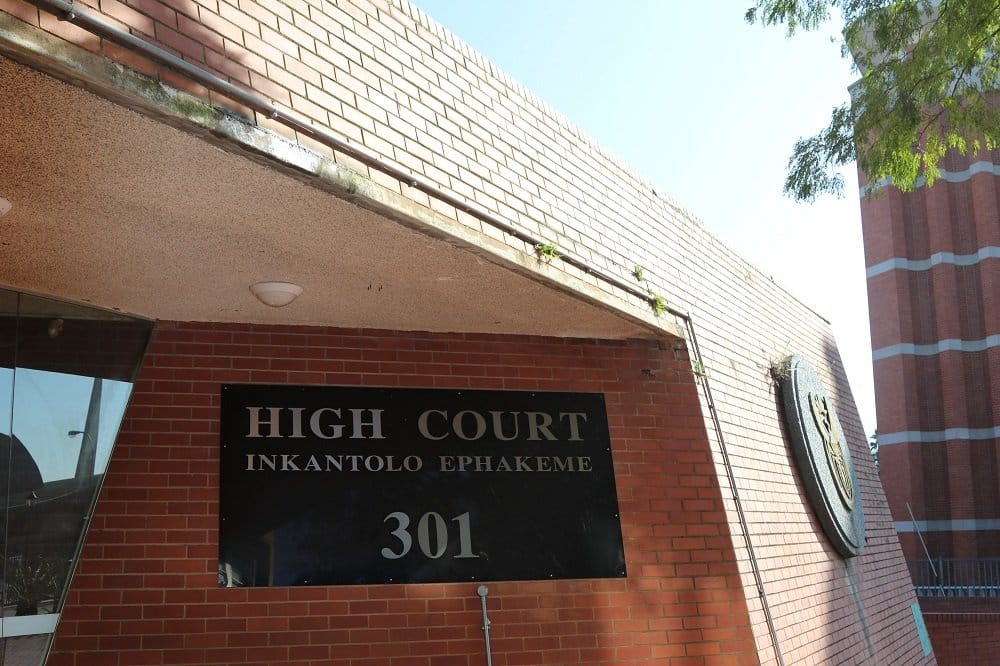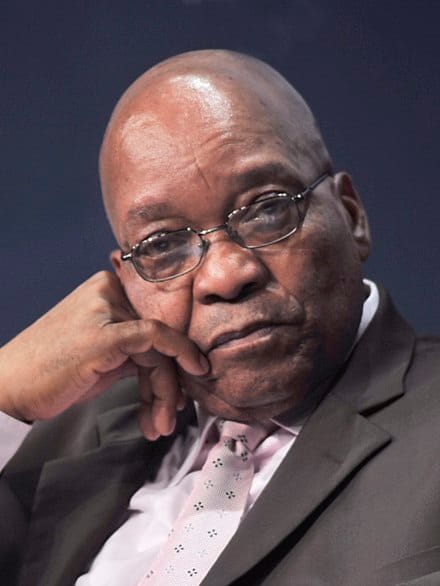
The sprawling, decades-long corruption case against former South African President Jacob Zuma re-enters the legal spotlight this week, poised at another potentially decisive juncture. On Thursday, 4 December 2025, the Pietermaritzburg High Court will convene a two-day appeal hearing that could either clear the path for a long-delayed trial or plunge the process into further procedural delay. Presiding over the session will be Acting Judge of the Supreme Court of Appeal, Justice Chili, underscoring the significance of the matters at hand.
The hearing centres on the attempts by Zuma and his co-accused, the French arms manufacturing giant Thales, to secure leave to appeal a pivotal ruling from June 2025. In that ruling, the High Court emphatically dismissed their applications for a permanent stay of prosecution. Zuma and Thales had argued that the extraordinary delays in the case—which stem from allegations of corruption, fraud, and money laundering linked to the controversial 1999 multi-billion rand Arms Deal—had irreparably prejudiced their right to a fair trial. The court’s rejection was a major victory for the National Prosecuting Authority (NPA), which has fought for years to bring the matter to trial.
A Two-Pronged Legal Battle
The upcoming hearing, however, represents a complex legal duel on two fronts. The primary focus will be on whether Zuma and Thales can persuade Judge Chili that they have reasonable prospects of success on appeal before a full bench of the Supreme Court of Appeal (SCA). Their legal teams are expected to rehash arguments about political interference, institutional malfeasance within the NPA across different administrations, and the sheer passage of time, which they claim has led to the death of witnesses and the fading of memories.
Simultaneously, in a strategic counter-move, the NPA has filed its own application before the same court. The prosecution is seeking an order to proceed with the trial irrespective of the outcome of the leave to appeal application. They will argue that the delays have already been excessive and that further postponements pending appeals would amount to a denial of justice itself. The NPA’s stance is that the trial must be allowed to commence, with any appeals by the accused to be heard concurrently, thereby preventing the legal process from being stalled indefinitely by interlocutory challenges.
Stakes for Justice and the Political Landscape
The outcomes of these intertwined applications carry profound implications. If Zuma and Thales are granted leave to appeal, the substantive trial will likely be frozen once more, awaiting the SCA’s judgment—a process that could take many more months. If their application is denied, the trial could be ordered to proceed, finally moving from pre-trial manoeuvres to the presentation of evidence.
For the NPA, securing a “trial now” order would be a monumental step, asserting the primacy of the trial process over perpetual preliminary litigation. For Zuma, now in his 80s, the continuation of the legal battle represents both a personal and political ordeal, even as he remains a influential, polarising figure whose legal fortunes directly impact the nation’s political climate.
As legal teams prepare their arguments, the Pietermaritzburg High Court is set to become, once again, the arena where the tension between the right to a fair trial, the demands of justice, and the legacy of state capture is measured. The two-day hearing will determine whether the long shadow of the Arms Deal will finally be examined in open court, or whether it will be cast further into the future by yet another appeal.
About The Author