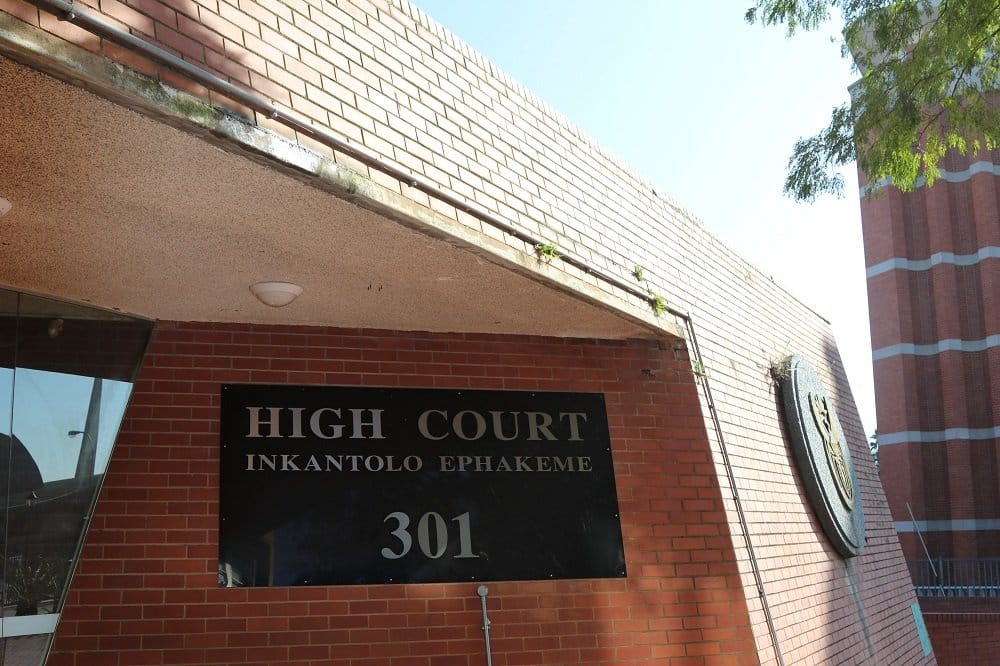
The hushed corridors of the Harare Magistrates Court felt unusually charged on November 28th. All eyes were on the defendant, Zvikomborero Maria Makedenge. The 33-year-old, whose name translates to “Blessings,” presented a striking figure—poised, professionally attired, and bearing the unmistakable accent of a life built abroad in the United States. She stood accused of a crime that would soon ignite a fierce national conversation: the alleged statutory rape of a 16-year-old boy.
The facts, as presented by the state, were stark. The incident was said to have occurred on August 2nd, during what was described as a family visit to her home country. The details suggest a clandestine meeting at the boy’s family home. What the defendant allegedly did not know was that her movements had drawn the attention of a vigilant neighbor. This neighbor, growing suspicious of the comings and goings, did what is becoming commonplace in the digital age: he recorded a video on his phone. The footage, reportedly showing Makedenge entering and later leaving the premises, was not immediately acted upon.
The catalyst came weeks later, in November, when the neighbor shared the recording with the boy’s mother. The mother, upon viewing the video and confronting her son, was reportedly shattered. The teenager confirmed the encounter, leading the family to immediately report the matter to the police. Zvikomborero Maria Makedenge was arrested on November 25th, her American passport seized, grounding her in the country she had left behind.
In court, the magistrate faced a courtroom packed with journalists and curious onlookers. The prosecution outlined the charge: contravening Section 70 of the Criminal Law Code, which unequivocally sets the age of consent in Zimbabwe at 18. The state argued this was an open-and-shut case of statutory rape, where the minor’s consent is legally irrelevant. The defense, however, secured bail set at US$500—a sum promptly paid—along with stringent conditions including surrender of travel documents and mandatory weekly reporting to a police station. Her trial was scheduled for January 28, 2026, a distant date promising a long, scrutinized wait.
Beyond the Courtroom: A National Debate Erupts
While the legal wheels began to turn, the case exploded into the court of public opinion, fracturing along familiar yet deeply contentious lines.
On one side, child rights activists and state prosecutors held a firm position. “The law is clear and gender-neutral,” stated one legal expert on a popular radio talk show. “A child is a child. This is about the abuse of power and influence over a minor, regardless of whether the perpetrator is male or female. The psychological impact on the boy must be the central concern.”
Conversely, a vocal segment of the population, particularly on social media, unveiled a stark double standard. Many comments, often from men, ranged from jokes to outright dismissal. “Where was this boy when we were growing up?” read one typical post. Others labeled the teenager a “legend” and questioned why he would be considered a victim at all. This sentiment exposed a deep-seated societal bias that often frames young male sexuality as inherently achievement-driven and immune to harm, a direct contrast to the protective instinct typically afforded to girls in similar circumstances.
Adding another layer was the defendant’s profile. As a diaspora returnee, perceptions of her were tangled in notions of Western influence, wealth, and moral decay. Whispers of “she brought foreign ways” mingled with the legal arguments, unfairly painting the case with a brush of cultural corruption.
Legal scholars point out that while the law is absolute, its application reveals societal biases. Historically, cases with female perpetrators and male victims are both underreported and, when they surface, often met with skepticism or mockery, potentially discouraging other victims from coming forward.
As Zvikomborero Maria Makedenge prepares for her 2026 trial, her case hangs in the balance of two systems: one of law, and one of pervasive social attitude. The video evidence may be central to the prosecution, but the broader testimony will be given by a society forced to confront its own contradictions about victimhood, consent, and the challenging reality that sometimes, the victim is a boy, and the alleged predator, a woman. The verdict in January will decide her fate, but the debate she has ignited will resonate long after.
About The Author