As the festive season reaches its peak, drawing tens of thousands of holidaymakers to the pristine beaches and lush forests of South Africa’s famed Garden Route, the picturesque town of Knysna is grappling with a mounting water shortage that threatens to disrupt vacations, strain local resources, and test the resilience of the community. In response to the escalating threat, the Western Cape Government has implemented a series of urgent interventions aimed at averting a full-blown crisis and keeping taps running through the crucial holiday period.
The situation, described by officials as “serious but manageable,” is the result of a worrying convergence of factors. Months of significantly below-average rainfall have left the primary supply dams, particularly the Akkerkloof and Glebe dams, at alarmingly low levels. Compounding the natural shortfall is the seasonal population surge, which sees the town’s water demand double as visitors flock to the region. This combination has pushed the local water system to its brink.
“Our monitoring has shown a steady decline in dam levels, and with the festive influx, we are facing a perfect storm,” said Western Cape Minister of Local Government, Environmental Affairs and Development Planning, Anton Bredell. “We cannot afford inaction. Our immediate goal is to ensure there is no disruption to water supply for residents and visitors, while implementing stringent measures to reduce consumption.”
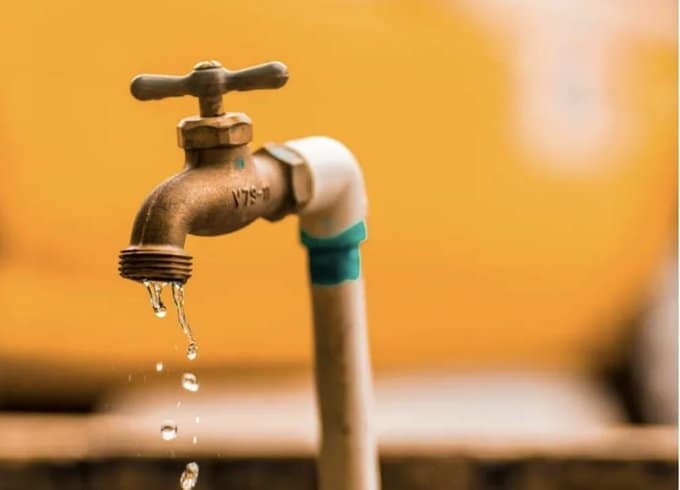
The provincial government’s rapid response, coordinated with the Knysna Municipality, includes a multi-pronged strategy. Emergency funding has been allocated to accelerate the drilling of additional boreholes to augment the town’s groundwater supply. Water collection from the Karatara River has been increased, and temporary infrastructure is being deployed to improve water distribution efficiency. Perhaps most critically, a major public awareness campaign has been launched, urging both residents and visitors to slash their water usage.
Signs reading “Every Drop Counts – Save Water Now” adorn the town, while local radio and social media channels are broadcasting conservation tips. Visitors are being asked, upon check-in at guesthouses and hotels, to limit shower times, report leaks, and forgo daily linen changes.
For locals like Annette Fourie, a small restaurant owner, the crisis is a stressful reality beneath the holiday cheer. “We welcome the tourists—our economy depends on them. But we are watching our dam levels like a hawk. Every person who uses water wisely is helping us get through this season,” she said, noting she has installed water-saving devices in her kitchen and bathrooms.
The Knysna situation serves as a stark microcosm of the broader climate challenges facing the Western Cape and South Africa at large. Renowned for its natural beauty, the region is increasingly vulnerable to the erratic weather patterns associated with a changing climate, where prolonged dry spells can swiftly turn abundance into scarcity.
“The lesson from Knysna is clear: water security can no longer be taken for granted, even in our most verdant regions,” stated environmental scientist Dr. Lindiwe Mahlangu. “This is a wake-up call that underscores the need for long-term investment in diversified water sources, such as desalination and large-scale groundwater management, alongside a permanent culture of conservation.”
While the immediate interventions aim to shepherd the town through the festive season, the episode has ignited conversations about sustainable tourism and resilient infrastructure. As holidaymakers enjoy the lagoons and forests, there is a growing collective understanding that preserving Knysna’s allure depends fundamentally on safeguarding every precious drop.
About The Author