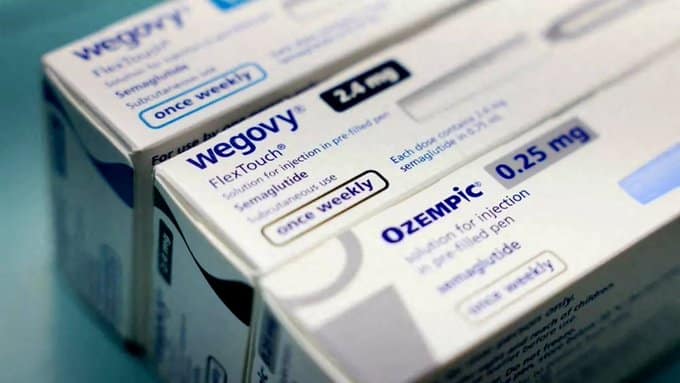
In a landmark decision set to reshape the landscape of obesity treatment, the U.S. Food and Drug Administration (FDA) today approved the first-ever oral version of the blockbuster drug semaglutide for chronic weight management. The newly approved pill, developed by Novo Nordisk and to be marketed under a new brand name, offers the efficacy of the wildly popular injectable Wegovy in a daily tablet form, removing a significant barrier for millions of Americans.
“This approval provides adults with obesity or who are overweight with at least one weight-related condition, a new needle-free option alongside diet and exercise,” said Dr. Sarah Chen, Director of the FDA’s Division of Metabolism and Endocrinology Products. “Access to effective treatments in various forms is crucial in addressing this serious, chronic disease.”
The oral medication contains the same active ingredient, semaglutide, a glucagon-like peptide-1 (GLP-1) receptor agonist, which works by mimicking a hormone that targets areas of the brain involved in appetite regulation and slowing stomach emptying. Clinical trials submitted to the FDA demonstrated that the pill achieved weight loss results comparable to its injectable counterpart. Participants, on average, achieved a statistically significant and sustained reduction in body weight over 68 weeks.
“This is a pivotal moment. While the injections have been transformative for many, the fear of needles or the inconvenience of a weekly injection has been a real hurdle for a substantial portion of the patient population,” said Dr. Marcus Thompson, an obesity medicine specialist at Johns Hopkins University. “An effective pill could dramatically broaden access and adherence, integrating more seamlessly into a patient’s daily routine.”
Analysts predict the approval will further solidify Novo Nordisk’s dominance in the lucrative obesity drug market, which is projected to exceed $100 billion annually by the decade’s end. The company stated the pill is expected to be available in U.S. pharmacies by the second quarter of 2026. Pricing details were not immediately released, but it is anticipated to be in a similar range to the injectable form, which carries a list price of approximately $1,300 per month before insurance or manufacturer savings programs.
The approval comes with the same boxed warning as the injection regarding a potential risk of thyroid C-cell tumors, observed in rodent studies. The most common side effects reported in trials were gastrointestinal, including nausea, vomiting, and diarrhea, which were generally mild to moderate and decreased over time.
Patient advocacy groups have hailed the decision. “Choice is empowering,” said Lisa Moreno, President of the Obesity Action Coalition. “For some, an injection is fine. For others, a daily pill will be the key to starting and staying on a treatment plan. This approval validates that obesity management is not one-size-fits-all.”
The move is expected to intensify competition in the pharmaceutical space, with rivals like Eli Lilly, which markets the injectable drug Mounjaro (tirzepatide), also racing to develop oral GLP-1 alternatives. The FDA’s green light for the oral semaglutide pill marks not just the arrival of a new drug, but the dawn of a new, more accessible era in the medical fight against obesity.
About The Author