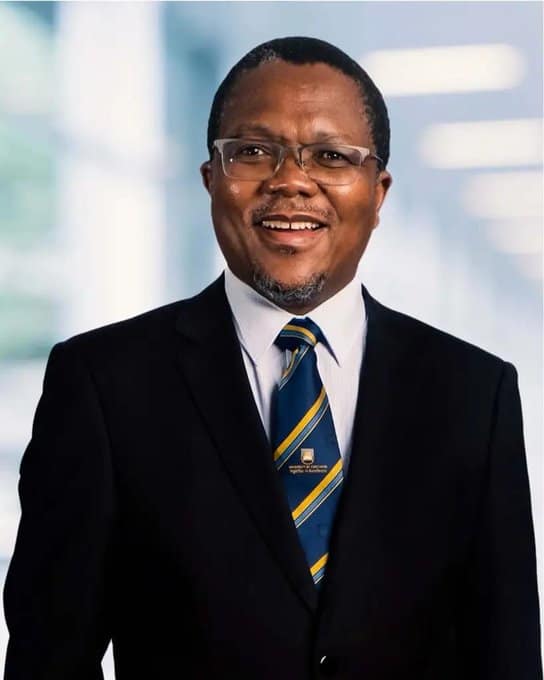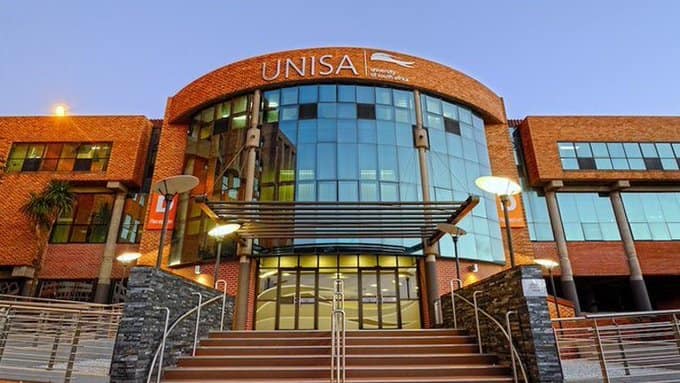
In a forceful show of institutional unity, the University of South Africa (Unisa) has issued a comprehensive defence of its Vice-Chancellor and Principal, Professor Puleng LenkaBula, following a series of allegations levelled by a group calling itself “SaveUnisa.” The group has accused the VC of maladministration, financial mismanagement, and abuse of power over recent months.
The university’s council, following an extraordinary meeting convened to address the escalating public discourse, released a detailed statement late Monday categorically rejecting all claims and affirming its “full confidence” in Professor LenkaBula’s leadership.
The Allegations and the Institutional Rebuttal
The “SaveUnisa” forum, comprising some staff members, alumni, and students, has circulated documents and social media posts alleging several governance failures. Their claims, which have gained traction in certain academic circles, reportedly include concerns over procurement processes, staff appointments, budgetary decisions, and the strategic direction of the massive open-distance learning institution.
In its rebuttal, the Unisa Council described the allegations as “unsubstantiated, misleading, and part of a coordinated campaign to destabilise the university’s operations and tarnish the reputation of its leadership.”
“The Council has thoroughly scrutinised the matters raised and finds no evidence to support the serious allegations of maladministration,” the statement read. “On the contrary, the university’s governance structures have functioned with integrity and in full compliance with regulatory frameworks.”
A Vote of Confidence in Leadership
Central to the council’s statement was a robust endorsement of Professor LenkaBula’s first term in office, which began in January 2021. The council highlighted what it termed “significant and measurable progress” under her stewardship, including:
- Strengthened Financial Governance: The implementation of enhanced financial controls and audit processes, with recent audits showing improved compliance.
- Academic Repositioning: Progress on the “Unisa Renewed” strategic plan, aimed at modernising the university’s pedagogical approach and digital infrastructure.
- Stabilisation Efforts: Navigating complex challenges inherited by the current administration, including previous governance concerns flagged by regulatory bodies.
“Professor LenkaBula has provided steadfast and principled leadership during a period of necessary transformation,” the council asserted. “Her commitment to academic excellence, financial sustainability, and the welfare of both staff and students is unquestionable.”
“SaveUnisa” Responds; Broader Context of Tension
Reached for comment, a spokesperson for the “SaveUnisa” forum expressed disappointment with the council’s dismissal, stating, “This blanket dismissal without an independent, transparent investigation is precisely the kind of defensive posture that undermines confidence. Our concerns are genuine and shared by many within the Unisa community who fear for the institution’s future.”
The controversy unfolds against a backdrop of ongoing challenges in South Africa’s higher education sector, where institutions frequently grapple with balancing transformation, financial pressures, and governance expectations. Unisa, as Africa’s largest open-distance learning university with over 400,000 students, occupies a particularly crucial and visible role in the national landscape.
The Path Forward
In closing its statement, the Unisa Council called for internal unity and constructive engagement, urging any individual with legitimate concerns to utilise the university’s established governance channels and whistleblowing policies.
“The Council remains the ultimate custodian of good governance at Unisa,” the statement concluded. “We are satisfied with the current trajectory and will continue to support the Vice-Chancellor and the executive management in implementing the university’s strategic mission. Our focus remains unwavering: serving our students and upholding our mandate as a pillar of African scholarship.”
The strong backing from the council appears to have quelled immediate speculation about Professor LenkaBula’s position. However, the public clash highlights the simmering tensions within one of South Africa’s most important academic institutions, suggesting that the path to “renewal” remains a complex and contested one.
About The Author