The Flashpoint: Fees, Debt, and Housing
The current wave of protests, which began quietly last week before escalating into more visible disruptions, centers on three interrelated issues that have become chronic pain points across South Africa’s higher education landscape.
First is the question of fee blocks. Thousands of returning students find themselves unable to register for the 2026 academic year because of outstanding balances from previous years—debts that, for many, accumulated not through profligacy but through the simple math of poverty: tuition fees plus accommodation plus textbooks minus insufficient financial aid equals exclusion.
Second is the broader crisis of student debt. UCT, like all universities, carries on its books millions of rands in unpaid student fees—money owed by students who cannot pay, which the university cannot afford to write off without compromising its financial stability. The protests have demanded a wholesale scrapping of debt for all students from poor and working-class backgrounds, a proposal that management argues is financially impossible without massive government intervention.
Third, and perhaps most acutely felt, is the housing shortage. The 2026 academic year began with hundreds of students placed on waiting lists for university accommodation, forced to scramble for private housing in a city where rental prices have spiraled beyond the reach of many. Some have ended up in overcrowded backrooms in Nyanga, in cramped flats in Rondebosch, or worse, sleeping on couches and floors, their academic prospects compromised before a single lecture has been attended.
“First years are sleeping in residences meant for 200 students but housing 300,” said a student leader who spoke on condition of anonymity. “Returning students are being told there’s no space, go find your own place in Cape Town. In this economy. It’s a joke. It’s a cruel joke.”
The Response: Management’s Move
Professor Reddy, standing before a bank of microphones with the university’s senior leadership arrayed behind him, struck a tone of concerned but firm authority. He acknowledged the legitimacy of the students’ grievances while drawing a clear line against the disruption of academic activities.
“We hear our students,” Reddy said, his voice measured, deliberate. “We understand the deep frustration that comes from financial exclusion, from housing insecurity, from the fear that you may not be able to complete your education simply because you cannot pay. These are not abstract issues. They are lived realities for many in our community.”
But he was quick to add the counterweight: “We also have a responsibility to the thousands of students who wish to study, to the staff who are here to teach, to the broader university community that depends on the orderly functioning of this institution. We cannot, and will not, allow a minority to hold the majority hostage.”
The measures announced included:
- The establishment of a task team comprising management, Student Representative Council members, and representatives from the broader student body to urgently review cases of students affected by fee blocks and debt.
- A commitment to accelerate the processing of financial aid applications, with additional staff deployed to the fees office to clear backlogs.
- An audit of all available university-owned accommodation to identify any underutilized spaces that could be converted into temporary housing.
- A renewed call to the Department of Higher Education and Training for urgent intervention on the national student debt crisis.
The Protests: Day Three
On the ground, the situation remained fluid. Small groups of protesters had gathered at key intersections on upper campus, their chants echoing off the sandstone walls of century-old buildings. “No education without housing!” they sang. “Fees must fall! Debt must fall!” A handful of lectures were disrupted when protesters entered buildings, urging students to join the action. Most classes continued, though attendance was visibly thinner than usual, with many students choosing to stay away rather than navigate the uncertain terrain of protest lines and security checkpoints.
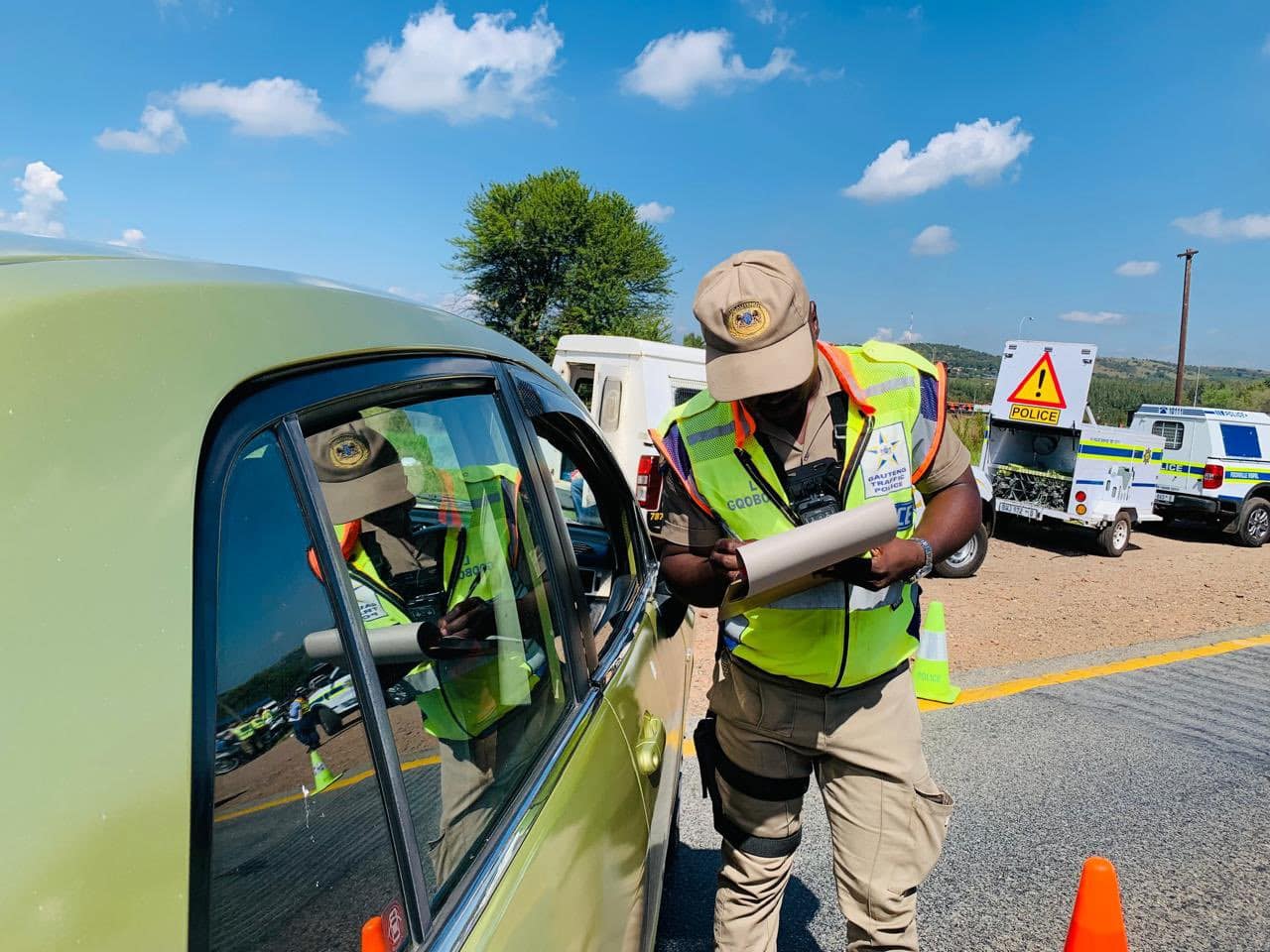
The university’s security personnel, a mix of in-house staff and private contractors, maintained a visible but low-key presence. There were no reports of the violent confrontations that have marred past protests at UCT and other universities. Both sides appeared to be observing an unspoken truce: the protesters would disrupt, but not destroy; security would monitor, but not engage.
“We are not here to fight,” said a masked student protester, standing at the edge of a gathering near the Steve Biko Students’ Union. “We are here to be heard. We have been speaking for years. We have been writing memorandums for years. Nothing changes. So now we are here, in the spaces where decisions are made, and we will stay until something changes.”
The Historical Context
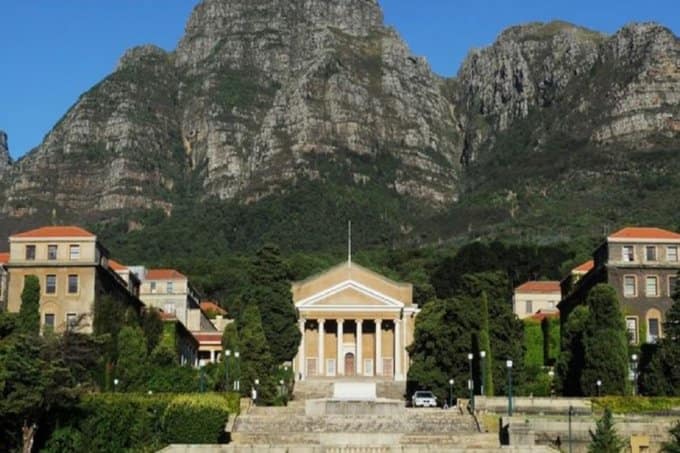
UCT has been here before. The university was a epicenter of the #FeesMustFall movement in 2015 and 2016, when student protests shut down campuses across the country and forced a national conversation about the affordability and accessibility of higher education. Those protests yielded some gains—free education for poor and working-class students at public universities was eventually implemented—but they also left deep scars: damaged buildings, strained relationships, and a lingering sense among many students that the fundamental injustices remain unaddressed.
In the years since, UCT has invested heavily in student support, financial aid, and housing. But demand has consistently outstripped supply. The university now has over 30,000 students and residence space for fewer than 7,000. The gap must be filled by the private rental market, in one of the most expensive cities in South Africa.
“The simple truth is that UCT cannot build its way out of this problem,” said a university official who spoke on background. “We are land-constrained, financially constrained, and the demand keeps growing. The only long-term solution is a fundamental rethink of how higher education is funded in this country. That is not something we can solve alone.”
The Student Perspective
For students like Nosipho Dlamini, a third-year humanities student from the Eastern Cape, the protests are not abstract politics—they are personal survival. Dlamini arrived at UCT in 2023 with dreams of becoming a journalist. Two years later, she is R45,000 in debt to the university, unable to register for her final year, and sleeping on a cousin’s floor in Khayelitsha, a two-hour commute from campus.
“I did everything right,” she said, her voice thick with emotion. “I studied hard. I applied for every bursary I could find. I worked part-time at a restaurant in town. But the money just isn’t enough. Rent in Cape Town eats everything. Now I’m sitting here, watching other people go to class, and I can’t. Because of money. Because of R45,000. It’s not fair. It’s just not fair.”
She is one of hundreds in similar situations. The university’s task team will review cases like hers, but there are no guarantees. The money, as management constantly reminds students, must come from somewhere.
The Way Forward
As the sun set over Table Mountain, casting long shadows across the campus, the protesters began to disperse, promising to return in the morning. The task team would meet for the first time on Friday, with a mandate to produce recommendations within two weeks. The university would continue to function, classes would continue to meet, and the business of education would grind on, interrupted but not halted.
But beneath the surface calm, the deeper questions remained unanswered. How long can universities function as islands of relative privilege in a sea of poverty and inequality? How many students will be lost to debt, to housing crises, to the simple, brutal math of not having enough? And when will the conversation shift from managing crises to preventing them?
For now, UCT management has contained the immediate disruptions. Classes continue. The protesters are heard, if not satisfied. The machinery of the university, creaking and straining, keeps turning. But as the students reminded everyone this week, machinery that ignores the humans it is meant to serve will eventually break down. The question is not whether that breaking will come, but when—and whether, when it does, anyone will be ready to build something better in its place.
About The Author