As confirmed cases rise to 48, city officials confirm the water supply is clear, leaving the source of the infection unknown and prompting urgent public health warnings.
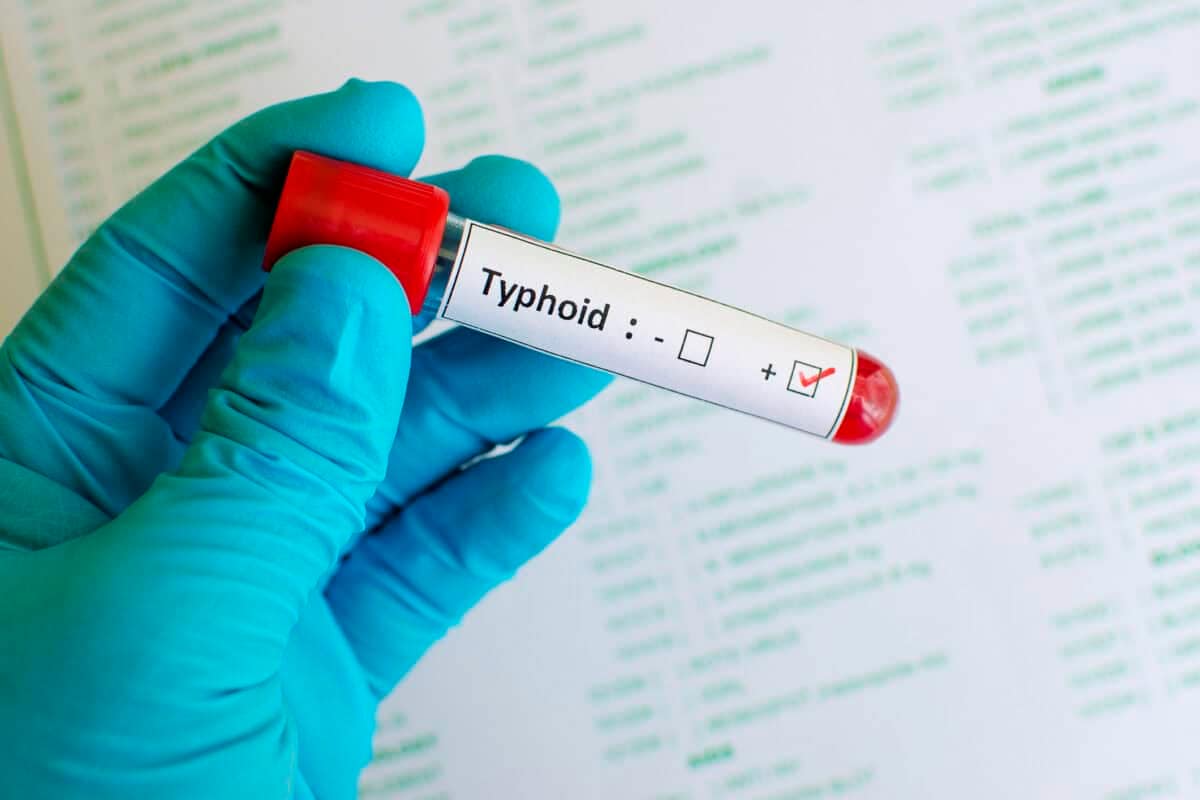
TSHWANE – The City of Tshwane is grappling with a medical mystery as its investigation into a local typhoid outbreak has found no trace of the Salmonella typhi bacteria in the municipal drinking water supply, despite a surge in cases.
Since the beginning of 2025, the Tshwane district has reported 48 typhoid cases, with 15 occurring in October alone. The outbreak has resulted in two fatalities, according to city spokesperson Lindela Mashigo.
“While the city is concerned about the slight increase in cases in 2025 compared to 2024, it must be noted that typhoid is an endemic disease in South Africa,” Mashigo stated. He confirmed that most cases are concentrated in informal and rural settlements, particularly Hammanskraal, but a direct link to the tap water has not been established.
Search for the Source Continues
The city’s tests have ruled out the main water supply as the culprit, shifting the focus of the investigation to other potential sources. “The investigations and interventions will continue until such time that the root cause of the disease has been established,” Mashigo affirmed.
Dr. Angelique Coetzee, Chairperson of the South African Medical Association (SAMA), explained that typhoid is a serious bacterial infection that spreads through contaminated water or food, especially in areas with poor sanitation.
“In simple terms, when you have sewage water or dirty water that mixes with what people eat or drink, the bacteria can enter the body and cause infection,” Dr. Coetzee said.
Public Urged to Practice Extreme Hygiene
With the source still unknown, health officials are emphasising preventative measures. The Gauteng Department of Health has issued a strong warning for the public to practice rigorous hygiene.
Spokesperson Kealeboga Mohajane urged residents to wash hands with soap and safe water “before eating or preparing food, after using the toilet or changing a baby’s nappy.” In settings without readily available water, sanitisers with at least 60% alcohol are recommended.
Dr. Coetzee outlined the symptoms, which include persistent high fever, severe head and body aches, stomach pain, and nausea, typically appearing one to two weeks after exposure. She warned that untreated typhoid can lead to severe complications like intestinal bleeding.
About The Author