New US tariffs imposed by the Trump administration are accelerating a strategic realignment in Africa, pushing nations on the continent further into the economic and diplomatic embrace of China, according to economists and regional experts.
The tariffs, which target exports from over 20 African nations with levies as high as 30%, have been met with alarm. Countries like South Africa, Libya, Algeria, and Tunisia face some of the steepest charges, while smaller economies like Lesotho confront a 15% duty that threatens to cripple key industries.
“This policy is sending Africa straight into the hands of China. That is the unfortunate outcome,” said Nigerian economist Bismarck Rewane.
The move presents a significant opportunity for China, which has long courted African partners. In a contrasting gesture, Beijing has offered to eliminate tariffs on imports from most African countries, positioning itself as a protective ally against US trade policies.
South African researcher Neo Letswalo described the situation as “an open goal for China.” He argued that the US failure to negotiate deals with African nations before the deadline signals a forfeiture of American global leadership. “The more countries become less dependent on the US, the greater opportunity for China to become an alternative,” Letswalo stated.
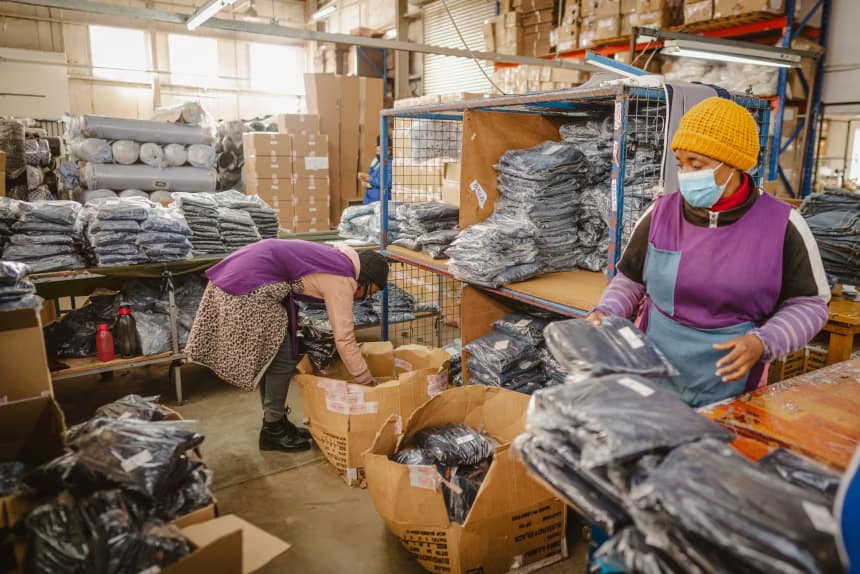
The human and economic impact is already being felt. Lesotho, a nation previously described by Trump as a place “nobody has ever heard of,” has declared a two-year national state of disaster. Its Prime Minister, Samuel Matekane, stated that the tariffs, combined with a halt in US aid, have “crippled industries that previously sustained thousands of jobs,” particularly in textiles.
In South Africa, the Citrus Growers’ Association warned of inevitable job losses, with hundreds of thousands of cartons of fruit destined for the US now at risk of being left unsold. The automobile sector is also threatened, with companies reportedly considering exiting the country, which would worsen South Africa’s existing unemployment crisis.
In response, South African officials are actively seeking alternative markets. “Our biggest trading partner is China, not the US. The US is number two,” said Gwede Mantashe, South Africa’s minister of mineral and petroleum resources. However, industry groups caution that finding new markets for specific products, like citrus fruit tailored to American tastes, is not a simple task.
While turning to China offers a lifeline, Letswalo and other analysts warn that this growing reliance carries its own set of risks, potentially exchanging one form of dependency for another. The tariffs have thus ignited not just an economic challenge, but a fundamental geopolitical shift that could redefine Africa’s trading relationships for years to come.
About The Author