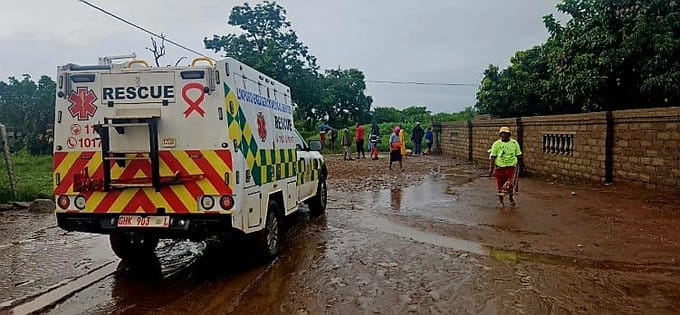
The grim toll of Limpopo’s relentless wet season has climbed to 11 confirmed fatalities, provincial authorities confirmed on Tuesday, as weeks of torrential rainfall have triggered catastrophic flooding, widespread destruction, and a deepening humanitarian crisis.
The floods, which have pounded the province since early December 2025, have transformed tranquil rivers into raging torrents, sweeping away homes, bridges, and roads. The victims, according to the provincial Department of Cooperative Governance, Human Settlements and Traditional Affairs (CoGHSTA), include a young child swept from a parent’s grasp in Thohoyandou, several elderly residents unable to escape rising waters in isolated villages, and motorists caught in flash floods on collapsed roadways.
“This is a period of profound sadness for our province. We have lost mothers, fathers, children, and community pillars,” said Limpopo Premier Stanley Mathabatha during a somber media briefing. “Our thoughts and prayers are with the bereaved families. We must now channel our collective grief into decisive and compassionate action.”
Beyond the tragic loss of life, the scale of displacement is staggering. Preliminary assessments indicate that over 4,000 families have been directly affected, with hundreds of homes completely destroyed and thousands more damaged. Community halls, schools, and churches across the Vhembe, Mopani, and Capricorn districts have been converted into emergency shelters, where volunteers and social workers are scrambling to provide warm meals, blankets, and trauma counselling.
In response, the provincial government has activated its disaster management protocols to their highest level. Relief efforts are now operating around the clock, with a multi-pronged focus:
- Search, Rescue, and Evacuation: The South African National Defence Force (SANDF) has deployed helicopters and boats to assist local disaster teams in airlifting stranded residents from rooftops and islands of high ground, particularly in the inaccessible villages near the swollen Levhubhu and Letaba rivers.
- Humanitarian Aid Distribution: Convoys carrying food parcels, bottled water, clothing, and temporary shelter kits (including tents) are being dispatched, though many remain hampered by extensively damaged infrastructure.
- Critical Infrastructure Assessment: Engineers are evaluating the integrity of water treatment plants, electrical substations, and remaining bridges. Early estimates suggest the cost to repair public infrastructure alone will run into billions of rand.
A critical step in the recovery process is now underway. Premier Mathabatha confirmed that the provincial executive council has formally resolved to apply to the National Disaster Management Centre for a provincial disaster declaration.
“This is not just a regional incident; this is a catastrophe that demands a national response,” the Premier stated. “A formal disaster classification is imperative to unlock the substantial funding, logistical support, and technical expertise required for large-scale rehabilitation and rebuilding.”
If granted, the declaration would pave the way for the release of emergency funds from the National Revenue Fund, as outlined in the Disaster Management Act. It would also coordinate the response of multiple national departments, from Human Settlements for rebuilding homes to Water and Sanitation for restoring services.
Local municipalities and non-governmental organizations like Gift of the Givers have already begun grassroots relief operations, but they emphasize the dire need for more resources. “The needs are immense and immediate,” said a field coordinator in Giyani. “People have lost everything. We are providing basics, but the psychological and long-term material recovery will be a marathon.”
As the rains are forecast to continue intermittently, the fear is that the death toll and damage figures may yet rise. For the people of Limpopo, the new year has begun with a devastating trial by water, with the full path to recovery still obscured by the floodwaters.
About The Author