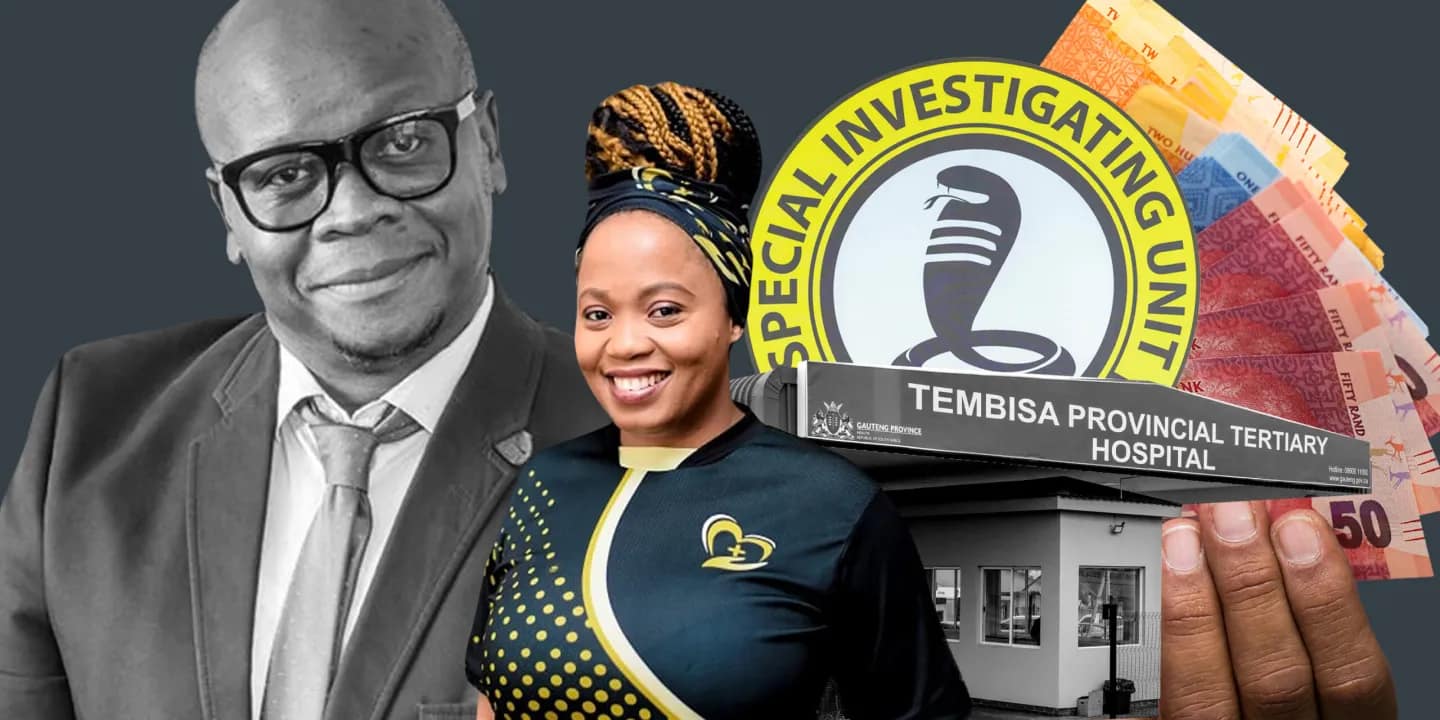
In the corporate world, a sudden, massive spike in spending within a single department would trigger alarms, audits, and immediate suspensions. So why did it take a whistleblower’s murder to uncover the R2-billion plunder of Tembisa Hospital?
We’ve become numb to grand corruption. We weathered the R49-billion storm of State Capture, a figure so vast it feels abstract. But the looting of a single, 840-bed hospital hits differently. It’s a theft of such intimate brutality, it steals from the sick and the vulnerable in our most desperate communities.
The scale is almost incomprehensible. That R2-billion is double the cost of the entire Zondo Commission that investigated state capture. It’s twice the amount the global consulting giant McKinsey was shamed into returning for its tainted Eskom deals.
Imagine a private company losing R2-billion in just five years. It would be insolvent. Yet, in the Gauteng Health Department, this catastrophic hemorrhage went unnoticed—or was ignored—by those in charge.
This isn’t how corporate theft typically works. A finance clerk might siphon off millions over years, but they get caught. Billion-rand frauds, like at Steinhoff or Tongaat, require complex accounting tricks at the very top. At Tembisa, it was brazen. It was a syndicate, allegedly paying itself for phantom goods and services with breathtaking speed.
The question isn’t just how it happened, but why it was allowed to continue. The answer lies in a department that is not just failing, but is fundamentally ungoverned. Just weeks ago, the department boasted of progress while simultaneously failing every audit test and failing to pay its legitimate bills on time. This creates a perverse reality: while honest suppliers wait for payment, criminal syndicates likely had their fake invoices processed within 30 days.
The response to the scandal has been a masterclass in inertia. The former CEO was suspended, only to see his case languish until his death. Justice, it seems, is in no hurry. It was journalists, not the internal auditors, who first traced the flow of dirty money with stunning accuracy.
We know the script from here. The SIU will deliver a final report, the NPA will promise action, and politicians will perform their ritual outrage. Premier Panyaza Lesufi will make a new promise. Health MEC Nomantu Nkomo-Ralehoko will claim a new dawn. The President will once again express “shock.”
But the real shock isn’t the crime—it’s the certainty of the impunity that follows. The Tembisa Hospital scandal isn’t an anomaly; it’s the symptom of a system where accountability is dead, and the only price paid for corruption is paid by the public, in stolen funds and stolen lives. Until that changes, the next Tembisa is already happening.
About The Author