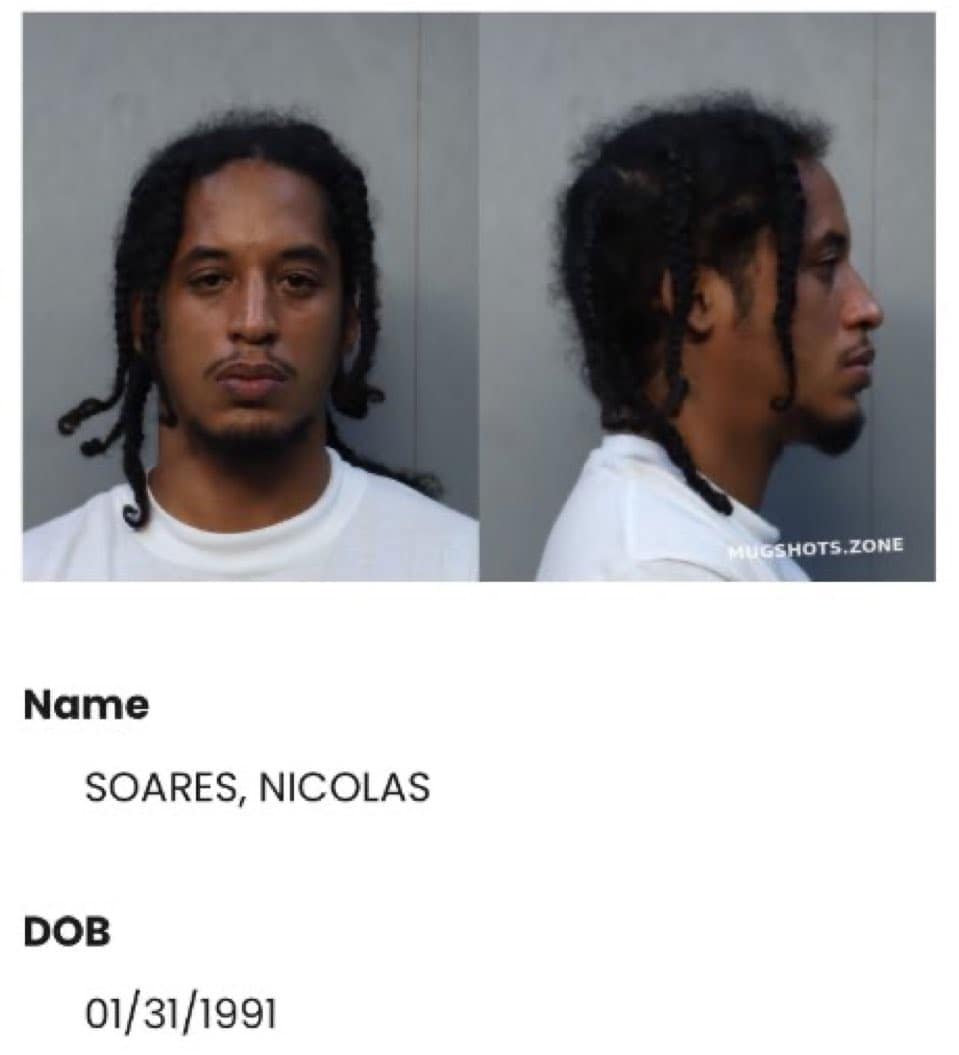
MIAMI, FL – For fifteen years, the ghost of Nicolas Soares haunted the files of the Miami-Dade Police Department’s cold case unit. His alleged role in a brutal 2010 murder had cemented his place as a wanted man, but his trail had gone cold, leading investigators to believe he had vanished into the shadows for good. That belief was shattered last week when Soares, now 45, was apprehended in a dramatic arrest in Nairobi, Kenya, closing a chapter on a decades-old homicide and showcasing the relentless reach of international justice.
Soares was identified by authorities as the getaway driver in the fatal shooting of Herbert Caniza on a sweltering Miami evening in May 2010. The incident, which began as an armed robbery, turned deadly when Caniza was shot and killed. According to witness statements and police reports, Soares was waiting in a vehicle outside the scene. As the shooter fled, Soares allegedly sped away from the curb, orchestrating a clean escape from the chaos. While the shooter was later identified and convicted, Soares had seemingly evaporated, becoming a fugitive from justice.
A Life on the Run, An End in Nairobi
The break in the case came from a recent, confidential tip that pinpointed Soares’ location in Kenya’s bustling capital, Nairobi. The U.S. Marshals Service, working in close collaboration with the Diplomatic Security Service and Kenyan police, moved swiftly to verify the intelligence.
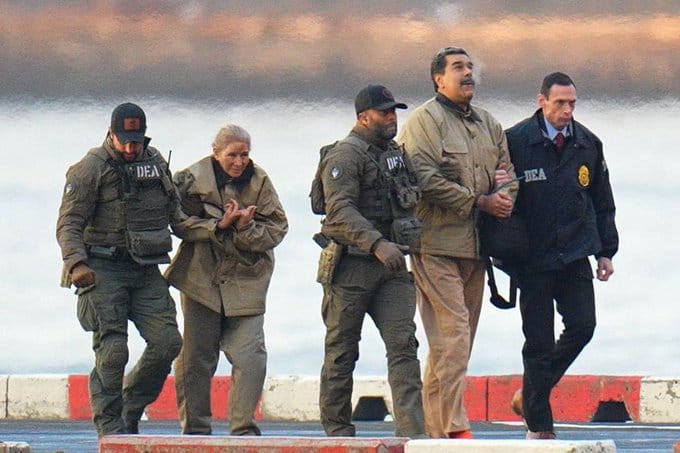
Last Wednesday, that collaboration culminated in a precise operation. Kenyan authorities, acting on the shared information, located and arrested Soares without incident. The details of his life in Kenya remain shrouded, but initial reports suggest he had been living under a false identity, attempting to build a new life thousands of miles from the crime that defined his old one.
“The seamless cooperation between U.S. and Kenyan authorities was instrumental in this arrest,” a spokesperson for the U.S. Marshals Service stated. “It sends a clear message to fugitives worldwide: no matter how far you run, or how long you hide, we will not forget, and we will not stop pursuing you.”
Swift Extradition and a Courtroom Homecoming
In a testament to the strength of the international partnership, Soares’ extradition was executed with remarkable speed. Within 24 hours of his arrest, he was on a flight back to the United States, escorted by federal agents.
By Thursday, he found himself standing before a judge in a South Florida courtroom, a world away from his life in Nairobi. Dressed in a jail uniform, Soares listened as the charges of second-degree murder and armed robbery were read aloud. The prosecution argued he was an extreme flight risk, having spent half his adult life evading capture. The judge agreed, ordering him held without bond.
His court-appointed public defender entered a plea of not guilty on his behalf, setting the stage for a legal battle that will now delve into the evidence frozen in time from 2010.
A Bittersweet Closure
For the family of Herbert Caniza, the capture brings a complex mix of relief and reopened wounds. While they have long known the identity of the man accused of facilitating their loved one’s death, his absence from justice has been a persistent ache.
“The arrest doesn’t bring Herbert back, but it does bring a sense of accountability that we have been waiting fifteen years for,” a family representative said in a brief statement. “We put our faith in the system, and while it took time, it worked.”
The case of Nicolas Soares is a stark reminder that the passage of time does not erase accountability. From the sun-scorched streets of Miami to the urban sprawl of Nairobi, the pursuit of justice proved to be a patient, persistent force, finally catching up with a man who thought he had run far enough.
About The Author