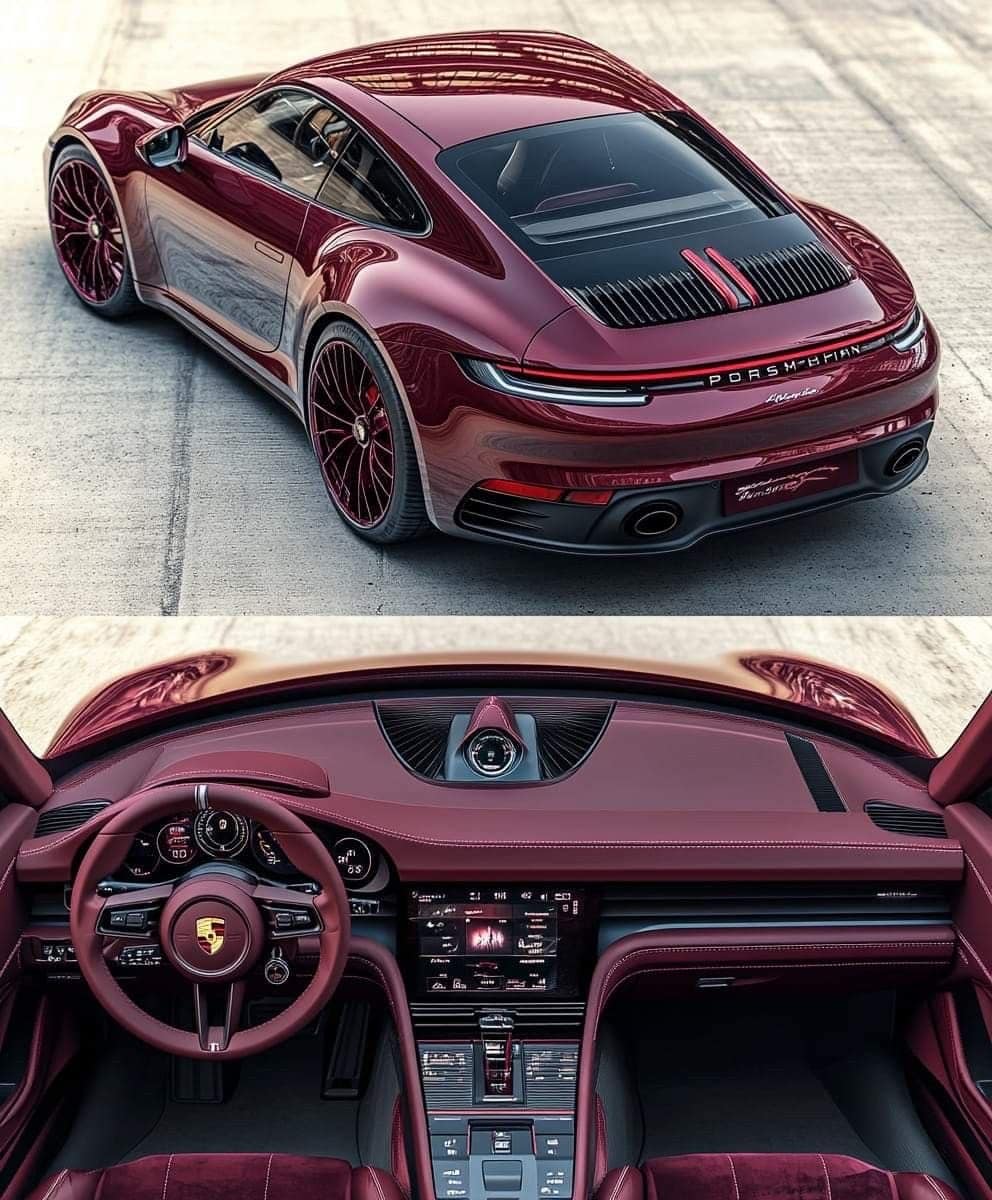
For many, owning a Porsche is the ultimate symbol of having “made it.” But in South Africa, that symbol isn’t just a marker of success; it’s a fortress of financial exclusivity, with a drawbridge that requires a staggering monthly income to lower. A recent analysis of the numbers reveals a harsh reality: to afford the cheapest Porsche in the country, you need to be earning a salary that places you in a tiny fraction of the nation’s top earners.
The object of desire is the entry-level Porsche Macan SUV, which carries a starting price of R1,346,000. However, the price tag is just the beginning of the story. To responsibly afford this vehicle, financial experts and lending models suggest a potential buyer needs a gross monthly income of nearly R150,000. This translates to an annual salary of approximately R1.8 million, a figure that significantly exceeds the average South African income.
This calculation isn’t based on simply covering the monthly installment. It follows the prudent financial principle that your total monthly debt obligations, including a car payment, should not exceed a certain percentage of your income. Factoring in a substantial deposit, the balloon payment on a finance agreement, soaring interest rates, and the significant running costs, including insurance premiums fit for a luxury vehicle, premium fuel, and maintenance at Porsche-approved centres, the R150,000/month benchmark becomes a necessity, not a luxury.
But this is merely the entry fee. For those who set their sights on the zenith of Porsche’s engineering—the track-focused, road-legal 911 GT3 RS—the financial gates are lifted into the stratosphere. With a price tag well over R5 million, the income requirement to secure finance and manage costs is a figure that feels almost abstract to most: a gross annual income of R15,000,000. That is a cool R1.25 million per month.
This chasm between the “entry-level” and the high-end within a single brand highlights the extreme wealth disparities within the luxury market itself. The Macan buyer might be a highly successful professional or entrepreneur, while the GT3 RS buyer is navigating a different financial universe altogether.
These numbers do more than just state the obvious—that luxury cars are expensive. They serve as a stark, numerical illustration of the profound income inequality in South Africa. The monthly income required for a base Macan is more than twenty times the country’s average monthly salary. It paints a vivid picture of a gated community on wheels, where the badge on the grille is not just a sign of automotive passion, but a powerful emblem of a financial reality far removed from the everyday experience of the vast majority of South Africans.
About The Author