Flush with the success of hosting one of the world’s most high-profile diplomatic events, Johannesburg Executive Mayor Dada Morero has issued a bold challenge to the city’s critics and a promise to its residents: the seamless efficiency displayed during the G20 Leaders’ Summit is not a one-off, but a blueprint for the city’s future.
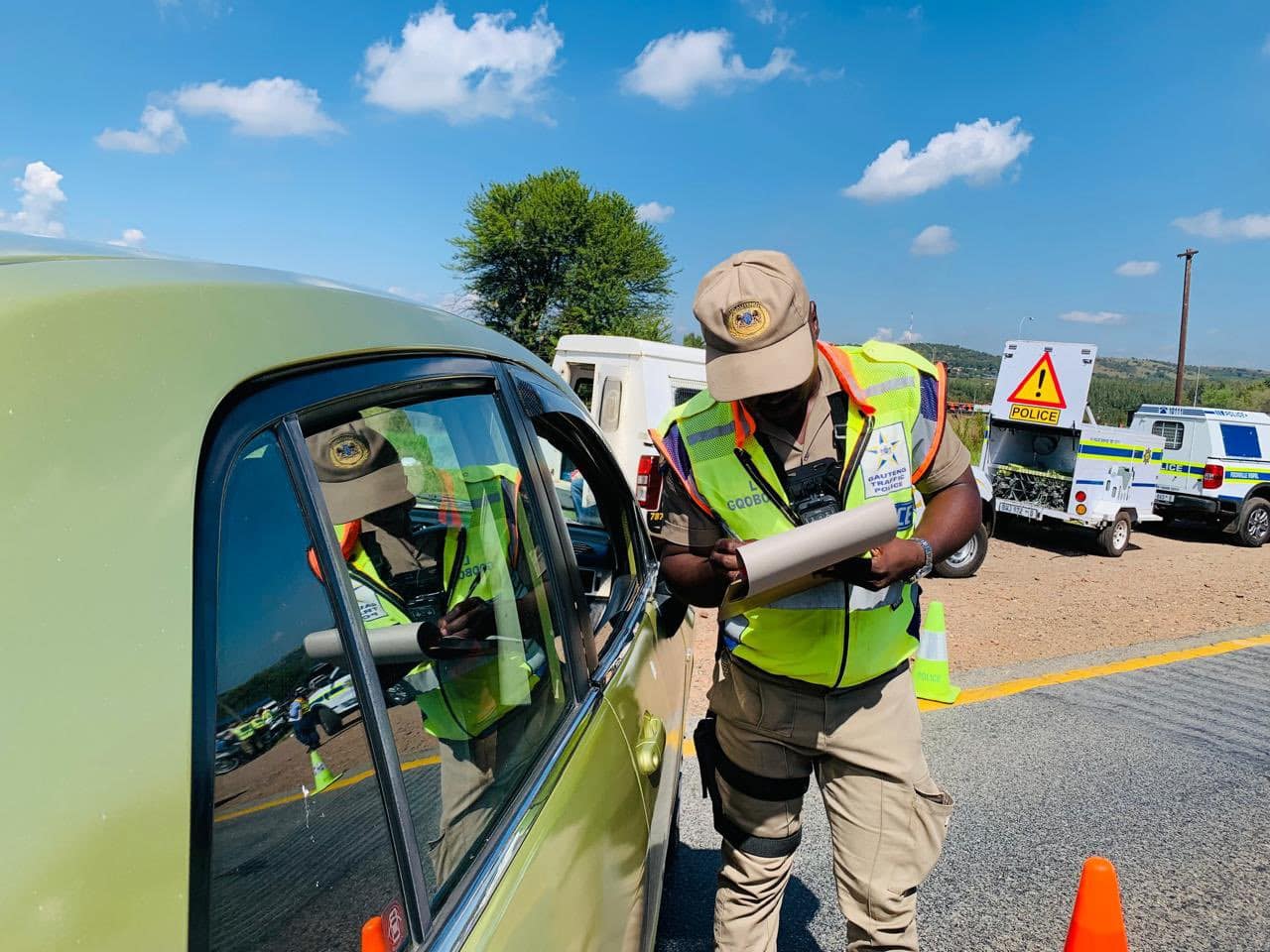
Speaking to reporters at the Nasrec Expo Centre on Sunday, 23 November 2025, as the summit drew to a close, Mayor Morero hailed the event’s flawless execution as “irrefutable proof” that the City of Johannesburg is capable of delivering world-class services. He pointed to the meticulously managed logistics, including the smooth flow of traffic on major routes despite stringent security, the efficient transport of thousands of delegates, and the immaculate state of the summit’s precincts.
“For the past two days, the world saw a Johannesburg that functions at its absolute best,” Mayor Morero declared, his tone brimming with confidence. “They saw clean streets, they saw seamless traffic flow, and they saw a metropolitan government that executed a complex plan with precision. This was not a magic trick. This was the result of meticulous planning, skilled personnel, and effective coordination. This is the standard we are now committing to uphold.”
From Global Stage to Grassroots Governance
The Mayor’s statement is a direct response to the common public sentiment that municipal efficiency is often reserved for international events that place the city under a global spotlight, while daily service delivery in neighbourhoods remains plagued by potholes, power outages, and piling rubbish.
Morero vehemently rejected this notion, framing the G20 as a catalyst for a new era of accountability. “Some will say we can only perform for the cameras. I say, watch us. The same discipline we applied to securing the N1 highway for motorcades is the discipline we will apply to fixing the potholes on your street. The same efficiency we used to move world leaders is the efficiency we will use to collect your refuse.”
In a move that raises the political stakes, the Mayor did not shy away from setting a specific deadline for this new standard to become visible. “Do not just take my word for it,” he challenged. “Check us on Tuesday. We are hitting the ground running this week to show that the G20 momentum was not a finale, but an opening act.”
Skepticism and the Road Ahead
While the ambition was met with applause from his administration, it was met with cautious skepticism from opposition councillors and civil society groups. Many question whether the intensive, resource-heavy effort required for a short-term event can be sustainably replicated across the city’s vast and varied landscape.
“The G20 had a dedicated budget, a single focus, and immense political pressure to succeed. Our suburbs need that same level of commitment every single day,” noted one opposition leader. “The true test won’t be on Tuesday, but in the consistent delivery over the next Tuesday, and the Tuesday after that.”
Nevertheless, Mayor Morero’s pledge sets a clear benchmark for his administration. By invoking the tangible success of the G20, he has tethered his political credibility to a simple, observable metric: can the City of Johannesburg make the “G20 standard” the “Johannesburg standard”? As residents return to their weekly routines, all eyes will be on the state of their streets and the reliability of their services, waiting to see if the promise of a world-class city, so brilliantly displayed at Nasrec, will finally make its way to their doorsteps.
About The Author