Months before the first envelope is opened at the 2026 Headies Awards, the battle for one of its most coveted prizes—the Rookie of the Year (Next Rated) category—has already erupted, not in the recording studios, but on the fiery digital streets of X (formerly Twitter). A seemingly innocuous poll by the popular fan page Album Talks has become a proxy war, igniting a fierce and multifaceted debate among Nigerian music fans about merit, metrics, and the very future of the industry.
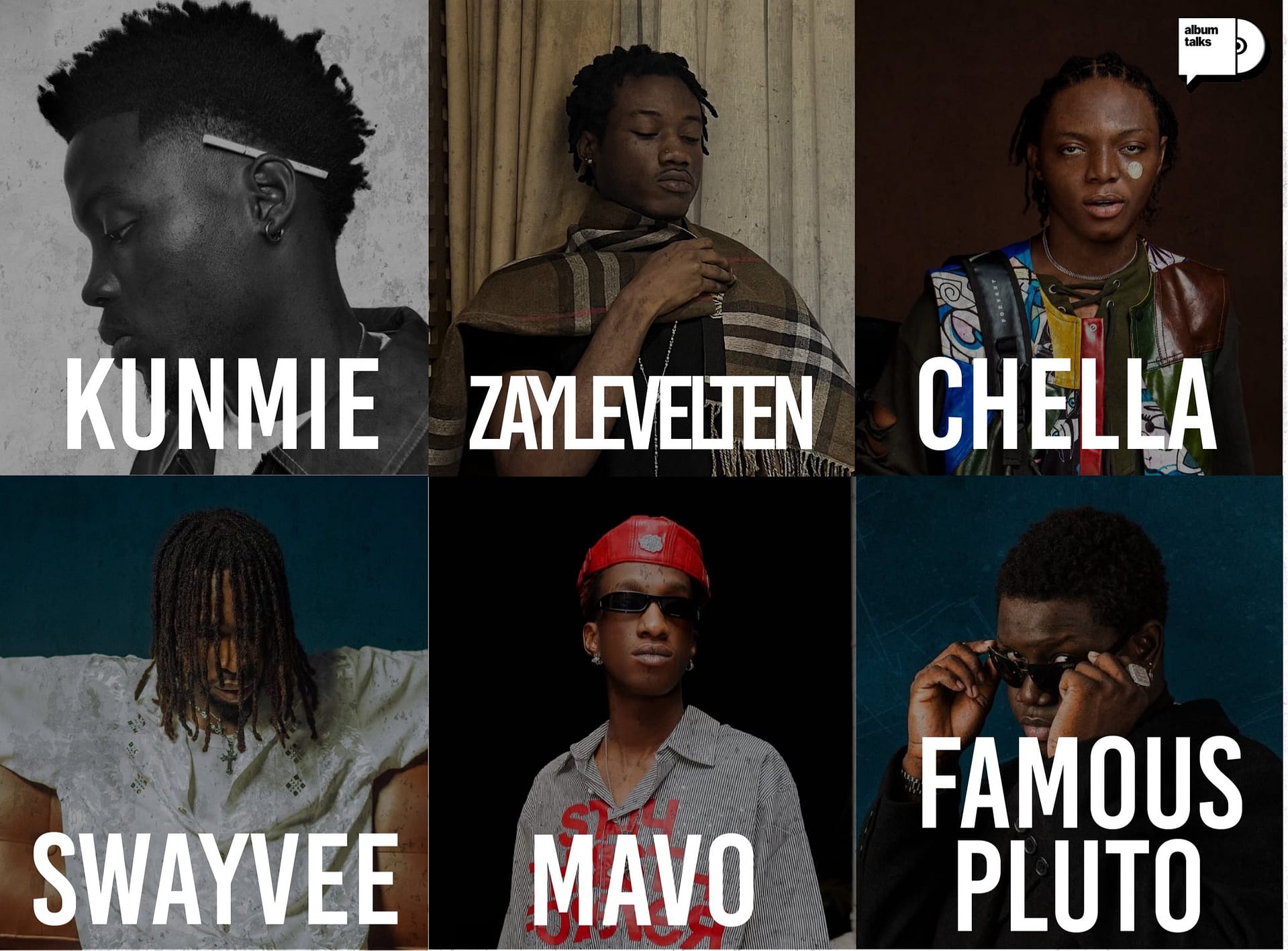
The poll featured a lineup of six emerging artists who have made notable waves in the past year: Swayvee, Chella, Zaylevelten, Kunmie, Mavo, and Famous Pluto. Yet, far from simply gauging popularity, the poll acted as a lightning rod for the passionate, and often partisan, opinions of the Nigerian music community.
The Frontrunner and The Controversy
Leading the charge in both the poll and fan support is Chella, whose soulful, viral hit ‘My Darling’ has become an undeniable success story. Amassing a staggering 55 million streams across platforms, the track has transcended its online origins to become a radio and club staple. Chella’s supporters, known as the “Darling Crew,” argue that his commercial success and widespread recognition make him the undeniable heir apparent. “You cannot debate 55 million streams,” one fan tweeted. “Chella has given us the biggest song of the year from a new act. The Headies is about impact, and he has it.”
In stark contrast, the inclusion of Swayvee has drawn significant criticism. Despite a loyal fanbase and critical praise for his experimental sound on tracks like ‘US’, detractors were quick to point out his comparatively lower streaming numbers and lack of mainstream visibility. “Swayvee is a vibe for the underground, but the Next Rated category is for breakout stars. Where is the evidence of his breaking out?” questioned one influential X user, sparking hundreds of replies debating the definition of “next rated”—is it pure commercial numbers or artistic potential?
A Deeper Divide: Representation and Eligibility
The debate quickly spiraled beyond individual artists to confront two systemic issues within the Nigerian music scene.
First, the all-male lineup in the poll prompted an immediate and powerful backlash. Many fans and critics called for greater recognition of the talented female artists currently shaping the scene. “Where is Lojay? Where is Fave? Where are the women?” demanded one user, highlighting a perceived gender gap in the platform’s—and by extension, the industry’s—spotlight. This critique tapped into an ongoing conversation about the need for the Headies to actively ensure diverse and inclusive nominee lists that reflect the full spectrum of Nigerian talent.
Second, the discussion evolved into a nuanced debate about eligibility itself. What truly qualifies an artist as a “rookie”? Some argued that an artist like Kunmie, who has been a respected songwriter and behind-the-scenes figure for years, might have an “unfair” advantage despite only recently stepping into the spotlight as a performer. Others contended that an artist’s entire journey should be considered, asking whether the award should go to an overnight viral sensation or an artist who has patiently honed their craft before their mainstream moment.
More Than Just a Poll: A Cultural Litmus Test
This online clash is far more than just fan squabbling; it is a cultural litmus test for the state of the Nigerian music industry. It reflects a generation of listeners who are deeply invested in the careers of their chosen artists and who demand transparency and fairness from award bodies. The conversation has moved beyond “who is the best” to fundamental questions:
- What weighs more: a single viral hit or a consistent, quality catalog?
- Should streaming numbers be the sole barometer of success?
- How can award shows balance commercial appeal with critical acclaim and diversity?
As the digital dust continues to swirl, one thing is clear: the road to the 2026 Headies is already paved with intense scrutiny. The categories have not yet been officially announced, but the Nigerian public has already begun its own rigorous and unforgiving selection process, setting the stage for an awards season that will be as much about the fans’ voices as it is about the artists’ trophies.
About The Author