The grey Atlantic swelled beneath a brooding sky, a neutral witness to the confrontation unfolding on its surface. The FSS Petr Velikiy, a hulking, Russian-flagged Aframax tanker, cut a steady path northeast. In its belly, 700,000 barrels of crude oil sloshed—cargo acquired, according to hastily filed manifests, from a shadowy mid-sea transfer with a vessel linked to a Venezuelan state entity. It was this transaction that had triggered a silent alarm half a world away, setting in motion a chain of events that now poised two militaries on a knife’s edge.
The first indication to the Petr Velikiy’s captain was the appearance of a sleek, grey silhouette on the horizon. It was the USS James E. Williams, an Arleigh Burke-class guided-missile destroyer. A calm but firm radio transmission crackled across the international bridge-to-bridge frequency.
“Russian-flagged tanker Petr Velikiy, this is United States Navy warship. You are believed to be in violation of multilateral sanctions regimes. We intend to board and inspect your cargo. Heave to and prepare for compliant boarding.”
The response from the Petr Velikiy was immediate and terse. “U.S. warship, this is Petr Velikiy. We are in international waters conducting lawful maritime commerce. Your proposed boarding is illegal under international law. We will not comply.”
For twelve tense hours, the dance continued. The Williams maintained a parallel course, its Aegis systems painting the tanker with invisible radar beams. Then, a new shadow joined the fray: the roar of maritime patrol aircraft, a U.S. P-8 Poseidon, circling high above. Unseen, beneath the waves, reports would later suggest, a U.S. fast-attack submarine had also taken up position.
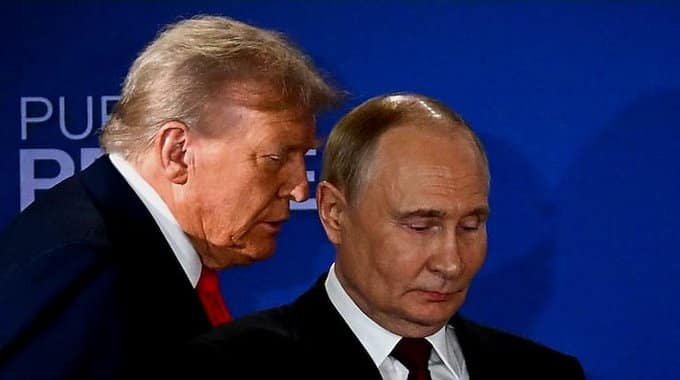
The crisis escalated not on the open ocean, but in the war rooms and foreign ministries of both nations. In Moscow, the Foreign Ministry issued a blistering statement, denouncing the U.S. action as “an act of modern-day piracy” and a “gross violation of the principles of free navigation.” They warned of “the most severe consequences” and hinted at asymmetrical responses. The Kremlin spokesman, cold with fury, declared, “A dangerous red line has been crossed.”
In Washington, the White House Press Secretary stood before maps charting the tanker’s voyage and its obscured origins. “This is not about Russia,” she stated firmly. “This is about upholding the international sanctions regime designed to curb the ability of rogue states to fund conflict and destabilize global security. The United States is acting within its legal rights and in coordination with allies to enforce these measures.”
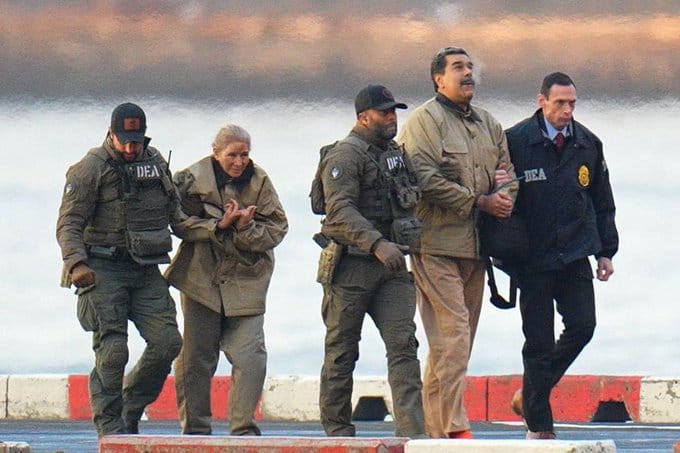
The stalemate shattered at dawn. With authorization from the highest level, a U.S. Coast Guard Law Enforcement Detachment (LEDET), supported by Navy Special Warfare personnel, approached the Petr Velikiy in rigid-hull inflatable boats. The Russian crew attempted evasive maneuvers, hosing down decks with water, but the skilled U.S. teams successfully grappled and boarded. Scuffles broke out on the deck—tense, brutal, but short-lived. The Russian crew, outnumbered and out-armed, was secured without fatalities but with several injuries on both sides.
The seizure was swift. The Petr Velikiy, now under U.S. control with a skeleton crew, was redirected toward a secure allied port. Its cargo, once destined for a Russian refinery, was impounded.
The global reaction was a seismic shockwave. European allies expressed firm but nervous support for the sanctions enforcement, while urgently calling for de-escalation. China condemned the move as “unilateral hegemony” that threatened global trade lanes. Global oil prices jerked upward on the uncertainty, and shipping insurers began frantically recalculating risk premiums for any vessel touching Russian-linked trade.
The Atlantic had fallen quiet again, but the silence was more ominous than the confrontation. The bold escalation was complete. The United States had moved from seizing assets and imposing tariffs to a direct, military-led interdiction of a major Russian-flagged vessel. Russia, humiliated and enraged, was left with a menu of grim options: cyber retaliation against Western critical infrastructure, heightened military posturing in Syria or the Baltics, or the expulsion of U.S. diplomats.
A new and perilous chapter had opened. The conflict was no longer confined to the battlefields of Eastern Europe or to economic statements. It was now on the high seas, governed by a volatile cocktail of maritime law, military might, and raw political will. The world watched, holding its breath, for the next move in this dangerous game of oceanic chess.
About The Author