A whirlwind of unverified allegations, sweeping across social media platform X, has cast a long shadow over the throne of the Zulu monarchy, accusing King Misuzulu kaZwelithini of orchestrating secret lithium sales from the mineral-rich lands held in trust for the nation. These claims, which emerged on November 17, 2025, have ignited a firestorm of controversy at a time of heightened sensitivity over resource rights, royal authority, and the future of South Africa’s most storied kingdom.
The allegations, posted by an anonymous account known for its pan-Africanist and anti-monarchy stance, claim that the King, through a network of intermediaries, has been quietly signing memoranda of understanding with international mining conglomerates. The purported aim: to bypass official channels and profit from the vast lithium deposits believed to lie beneath the 2.8 million hectares of the Ingonyama Trust, land held in trust by the Zulu monarch for the benefit of its subjects.
A Tinderbox of Timing and Territory
The timing of these claims is particularly incendiary, coming just weeks after King Misuzulu’s contentious decision to formally divide a series of long-disputed territorial boundaries between several prominent clans. That move, intended to resolve decades-old quarrels, has instead intensified factional disputes, with some royal insiders privately grumbling that the King is consolidating power and rewarding loyalists.
“These allegations, however baseless they may be, have found fertile ground because of the existing climate of suspicion,” said Dr. Nomalanga Mkhize, a political analyst at the University of KwaZulu-Natal specializing in traditional leadership. “When you combine the recent, unpopular boundary decisions with the feverish excitement around lithium, you create a perfect storm. People are primed to believe that deals are being made behind closed doors.”
The Ingonyama Trust Board, the administrative body that oversees the land, has issued a terse statement dismissing the social media posts as “malicious fiction.” The Board reiterated that any mineral exploration or mining on Trust land requires a rigorous process of consultation and consent from the communities living on it, a process they claim is being followed to the letter.
The Lithium Rush and Rising Community Anger
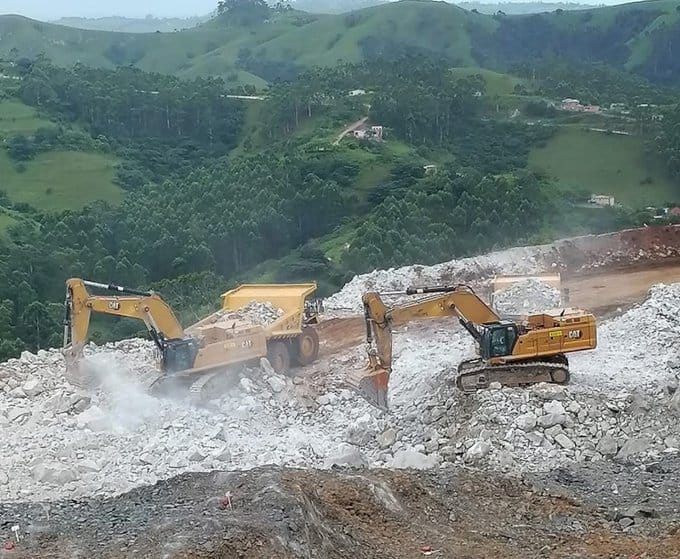
The backdrop to this political drama is the accelerating lithium exploration race in KwaZulu-Natal. Driven by the global surge in demand for the battery metal, essential for the electric vehicle revolution, several companies have secured prospecting rights. Active mines are already operational in the province, and new exploratory drilling is a common sight in the rolling hills.
However, this rush has been met with growing grassroots resistance. In the uThukela and uMzinyathi districts, community protests have become a regular occurrence. Residents, supported by environmental activists, voice two primary grievances: a lack of genuine, prior consultation and profound fears over environmental degradation.
“They come with papers from Pretoria and promises from the Board, but they do not sit with the people whose water they will poison and whose land they will tear open,” said Sipho Ndwandwe, a community leader from a village near Nkandla. “We see the boreholes they drill for samples, we hear the blasts from the existing mines, and we are told nothing. If the King is truly part of this, it is a betrayal of the very people he is sworn to protect.”
The environmental concerns are not unfounded. Lithium extraction, particularly from hard rock, is a water-intensive process that can lead to soil erosion, water table contamination, and the generation of significant waste tailings.
A Palace in a Precarious Position
For King Misuzulu, whose ascension to the throne was itself marred by legal battles and familial discord, these allegations represent a significant threat to his legitimacy. The monarchy’s power is deeply rooted in public perception and its role as the custodian of Zulu heritage and land. Any whiff of corruption or the commodification of the Trust’s assets strikes at the heart of this covenant.
Thus far, the Royal Household has maintained a stony silence, refusing to comment directly on what it calls “the gossip of keyboards.” This silence, however, is doing little to quell the speculation. Political opponents and disgruntled royal family members are using the vacuum to amplify the narrative, questioning the King’s judgment and his commitment to transparency.
As the South African government in Pretoria monitors the situation, the saga underscores the complex collision of tradition and modernity, of ancestral land rights and a global green energy boom. The unverified claims on social media may be the spark, but the tinder—comprised of historical disputes, a frantic resource grab, and profound community anxiety—was already in place. Until the Palace or an official investigation provides a definitive account, the cloud of suspicion hanging over the Zulu throne is likely to grow darker, threatening to destabilize a kingdom navigating an increasingly precarious future.
About The Author