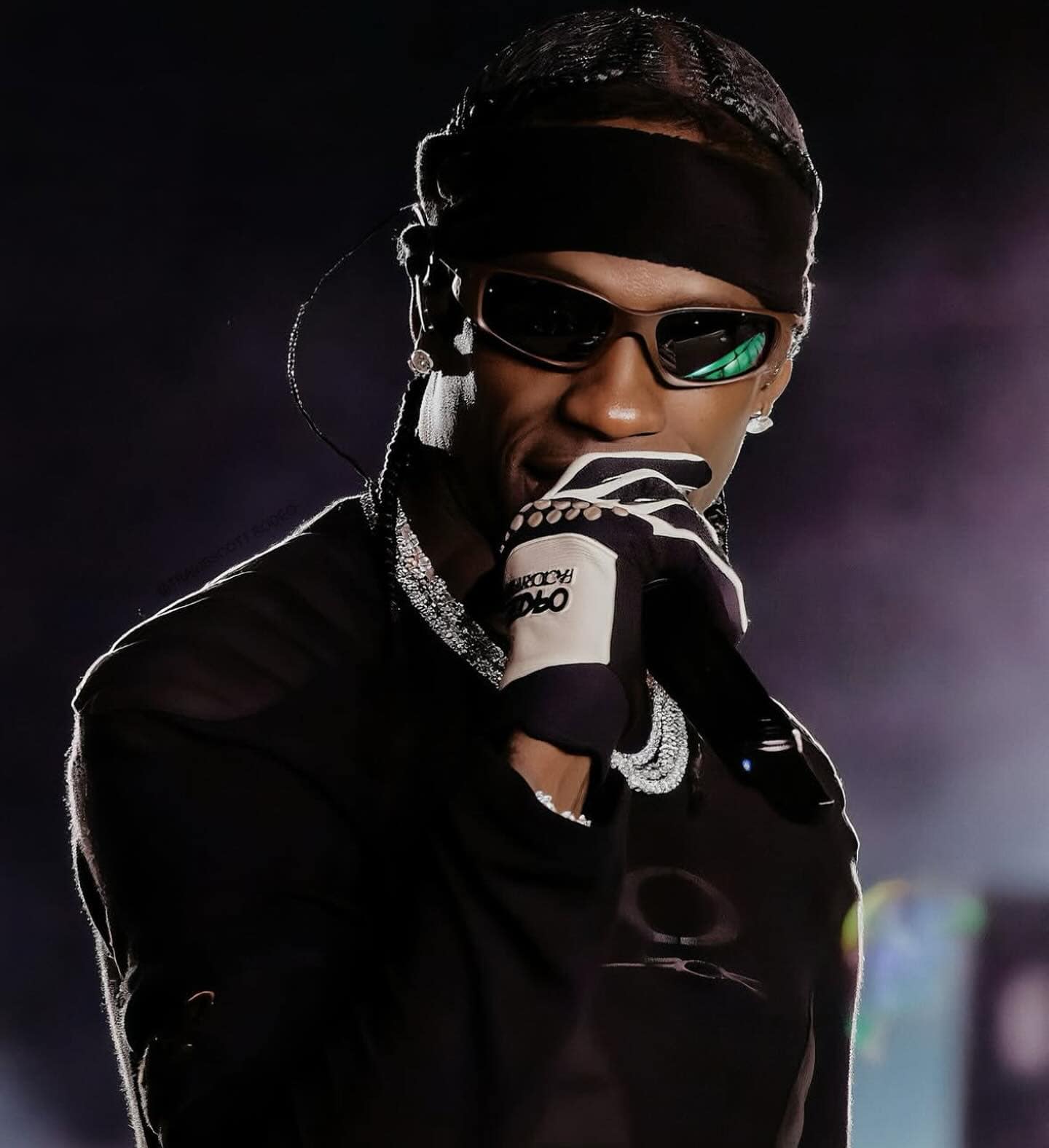
Johannesburg is buzzing with the impending arrival of hip-hop superstar Travis Scott, but the excitement for his October 11, 2025, Circus Maximus Tour stop at the iconic FNB Stadium is being drowned out by a cacophony of frustration, economic anxiety, and political debate. What was meant to be a triumphant African debut is instead unfolding as a case study in modern ticketing woes and questionable ministerial priorities.
The Great Ticket Glut: From Sold-Out Hype to R100 Fire Sale
Months ago, when the tour was announced, a familiar frenzy ensued. Eager fans, known as “Ragers,” battled digital queues, with many walking away empty-handed as tickets appeared to vanish in minutes. This initial scarcity created the perfect breeding ground for the secondary market, with speculators and scalpers listing tickets on platforms like Gumtree and Facebook Marketplace for astronomical sums, sometimes double or triple the face value.
However, the landscape has dramatically shifted in the weeks leading up to the show. A perfect storm of economic pressure and a crowded event calendar has led to a stunning reversal. Tickets that once commanded a premium are now being offloaded for as little as R100—a fraction of their original cost.
“People are desperate,” said Lindiwe Mokoena, a university student who had been trying to sell her extra ticket for weeks. “I bought two during the presale, but now my friends can’t afford to go. With exams coming up and transport costs, R100 is better than nothing. It’s heartbreaking.”
In a statement that confirmed the situation, Big Concerts, the event’s promoter, acknowledged that general admission tickets are “still available through official channels.” They cited “current economic challenges” and “significant competition from other major events in the region” as contributing factors, while still expressing confidence in a strong turnout.
The Minister’s Giveaway: A Gesture or a Gaffe?
Amid this market freefall, an unexpected player entered the fray: the Department of Sports, Arts and Culture. Minister Gayton McKenzie’s office announced it would be distributing a “limited number” of free tickets to the concert. The move, framed as a gesture to support the arts and provide access to underprivileged youth, has backfired spectacularly, drawing fierce criticism from multiple quarters.
Opposition parties and cultural commentators have slammed the initiative as a blatant misallocation of resources. “At a time when our national museums are crumbling, artists are struggling to secure grants, and community arts centres are closing due to budget cuts, the Minister is using public funds, directly or indirectly, to buy tickets for a multi-millionaire American rapper’s concert?” questioned Shadow Minister for Arts and Culture, Thembisa Phillips. “It reeks of populism and a profound misunderstanding of departmental priorities.”
Further clouding the issue is a severe lack of transparency. The Minister’s office has declined to reveal how many tickets were acquired, the total cost, or the specific criteria for the giveaway. This opacity has led to accusations of the tickets being used as political currency—a way to curry favour with a young demographic ahead of future elections.
A Tale of Two Audiences
The situation has created a stark divide among potential concertgoers. On one side are the original fans, many of whom are now feeling buyer’s remorse after paying full price, watching the value of their purchase evaporate. On the other side are those who could never have afforded the tickets initially, now seeing a once-in-a-lifetime opportunity, either through the Minister’s giveaway or the dirt-cheap resale market.
“For us, this is a miracle,” said Sipho Dlamini, a 19-year-old from Soweto who secured a ticket for R150. “We knew we could never go. Now, because the economy is bad for everyone else, it’s good for us. It’s strange.”
The controversy raises larger questions about the viability of major international tours in the current South African economic climate and the role of government in the cultural sphere. Is it the job of the Arts Minister to be a conduit for global pop stars, or should the focus be on nurturing local talent and infrastructure?
As the countdown to October 11th continues, the narrative around Travis Scott’s Johannesburg performance is no longer just about the music. It has become a complex drama of economics, politics, and the ever-widening gap between hype and reality, leaving the FNB Stadium poised to host not just a concert but a symbol of the nation’s contemporary struggles.
About The Author