PRETORIA – South Africa’s education system is bracing for its annual academic pinnacle, with a record-breaking 790,144 candidates registered to write the 2025 National Senior Certificate (NSC) examinations, the national assessment quality assurer Umalusi confirmed on Wednesday.
The figures, revealed at a media briefing in Pretoria, underscore the immense scale and evolving landscape of the country’s matriculation process. The vast majority of candidates—766,543—are full-time students under the Department of Basic Education (DBE), while independent assessment bodies will oversee exams for 23,571 other learners, comprising 17,427 with the Independent Examinations Board (IEB) and 6,174 with the South African Comprehensive Assessment Institute (SACAI).
A System Under Pressure to Ensure Integrity and Fairness
With the first papers scheduled for next week, Umalusi officials confirmed that final preparations are intensifying to ensure the integrity and smooth running of the high-stakes examinations. The massive logistical operation involves securing the integrity of question papers, training thousands of exam invigilators, and providing support to schools across the country’s nine provinces.
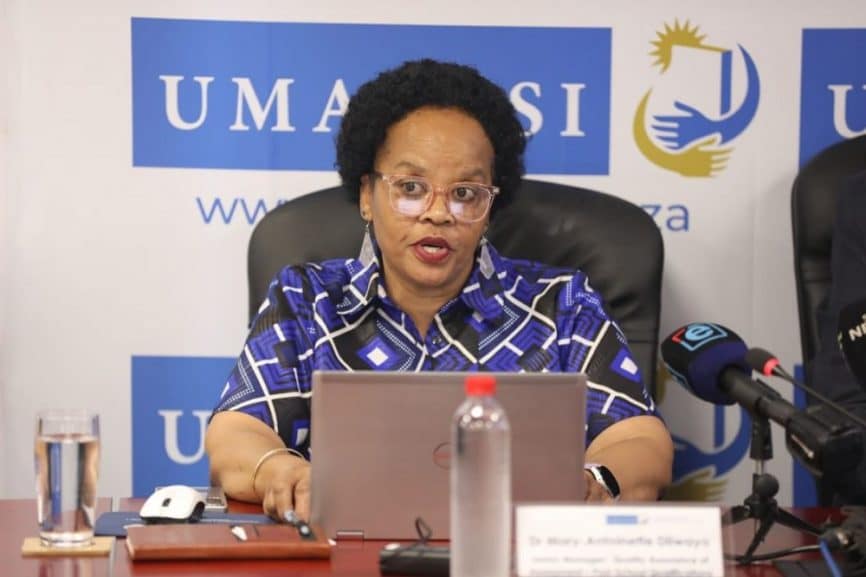
Mary-Antoinette Dliwayo, Umalusi’s manager for quality assurance of assessment, emphasized the non-negotiable nature of a fair process. “Our role is to ensure that learners write examinations under fair and secure conditions, and that assessments meet national standards,” she stated. “Schools and learners must be confident that the process is transparent, credible, and reliable.”
The briefing highlighted Umalusi’s ongoing collaboration with provincial education departments to reinforce examination protocols, standardize marking processes, and ensure robust dispute resolution mechanisms are in place.
A Decade of Growth and Persistent Challenges
The 2025 cohort marks a slight but steady increase from previous years, reflecting a broader trend of improved access to secondary education and national efforts to reduce dropout rates over the past decade. The matric exams remain a critical gateway, determining academic progression, university admissions, and future vocational and employment opportunities for hundreds of thousands of young South Africans.
However, this milestone also brings into sharp focus the persistent challenges within the system. Significant disparities in resources, infrastructure, and learning outcomes between well-resourced urban schools and their under-resourced rural counterparts continue to cast a shadow over the ideal of equal opportunity.
As the country enters this crucial examination period, the focus shifts squarely to the 766,000 full-time learners preparing for the most significant academic test of their lives. Their performance will not only shape their individual futures but will also serve as a key barometer for the health and direction of South Africa’s education system as a whole.
About The Author