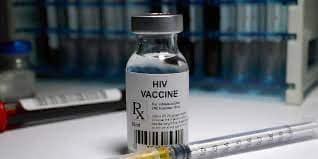
In a historic stride for African medical research, the first HIV vaccine trial entirely designed, managed, and led by African investigators has begun inoculating participants at Cape Town’s iconic Groote Schuur Hospital. The groundbreaking BRILLIANT 011 trial, which commenced this month, represents a seismic shift from decades of externally-driven research, placing local scientists at the helm of the quest for a tool that could alter the destiny of a continent bearing the world’s heaviest HIV burden.
The early-stage study, a collaborative endeavor spearheaded by the South African Medical Research Council (SAMRC) and the Desmond Tutu HIV Foundation (DTHF), will initially enroll approximately 20 HIV-negative volunteers. Over a 12-month period, participants will receive a novel, multi-component experimental vaccine regimen, marking the cautious but hopeful beginning of a long scientific journey.
A “Brilliant” Design: Targeting a Southern African Nemesis
The trial’s scientific backbone is its tailored focus on the HIV subtypes prevalent in Southern Africa, notably subtype C, which drives the region’s epidemic. The vaccine candidate is not a single entity but a sophisticated “cocktail” of immunogens—substances designed to trigger an immune response—paired with a potent adjuvant (an immune stimulant). This combination strategy aims to coax the human immune system into producing broadly neutralizing antibodies (bnAbs).
These bnAbs are the holy grail of HIV vaccine research: rare antibodies capable of recognizing and neutralizing a wide array of global HIV strains, effectively blocking infection. “We are essentially trying to give the immune system a detailed ‘most wanted’ poster, followed by a powerful boost, to train it to produce these elite soldiers against HIV,” explained a senior scientist on the trial.
“By Africa, For Africa”: A Paradigm Shift in Research Leadership
The trial’s most celebrated aspect is its ownership. For years, major HIV vaccine trials in Africa, while conducted on local soil, have largely been conceived and directed by research institutions in the Global North. BRILLIANT 011 shatters that mold.
Professor Glenda Gray, SAMRC President and a world-renowned HIV researcher, underscored the monumental importance of this shift. “This is more than a trial; it is a capacity-building exercise of the highest order. It’s about developing the next generation of African principal investigators, lab technicians, data managers, and bioethicists. The intellectual property, the leadership decisions, the problem-solving—it all resides here. We are moving from being a research site to being the research engine.”
This autonomy ensures that the scientific questions asked, and the solutions sought, are directly relevant to the communities most affected. It also builds a sustainable research infrastructure that can respond to future health crises.
A Cautious, Stepwise Journey: Safety First
As a Phase 1 clinical trial, the primary objective is rigorously assessing the vaccine’s safety and tolerability in humans. Researchers will monitor participants closely for any adverse reactions. Secondary goals include analyzing the immune responses generated—measuring whether the vaccine successfully induces the desired antibody and T-cell responses.
The road ahead is long and uncertain. Should BRILLIANT 011 prove safe and show a promising immune response, it would then need to advance through larger Phase 2 and ultimately Phase 3 efficacy trials, which would involve thousands of participants to determine if it actually prevents HIV infection. This process could take many years.
A Ray of Hope in a Long Battle
The launch carries profound symbolic and practical weight in South Africa, home to an estimated 8 million people living with HIV. Despite tremendous progress in treatment and prevention tools like antiretroviral therapy (ART) and pre-exposure prophylaxis (PrEP), a vaccine remains the critical missing piece for a durable end to the epidemic.
“Every day, hundreds of people in South Africa still acquire HIV,” said Professor Linda-Gail Bekker, CEO of the Desmond Tutu HIV Foundation. “While we have excellent tools, they require consistent access and adherence. A safe and effective vaccine would be a powerful, long-lasting shield, particularly for young women and vulnerable populations. This trial is the first step on a path we must walk.”
The volunteers enrolling in the BRILLIANT trial are thus pioneering more than a medical intervention; they are participating in the dawn of a new era of African-led scientific innovation, one that holds the promise of finally turning the tide against a virus that has shaped a generation.
About The Author