The South African government is engaged in urgent and delicate diplomatic negotiations with Russian authorities in a bid to secure the safe return of 17 citizens who were allegedly lured to Russia under false pretences and are now reportedly stationed in active combat zones. The case, which has escalated into a significant international incident, centres on claims that the men were recruited with promises of legitimate security training, only to find themselves in mortal danger on the front lines of the Russia-Ukraine conflict.
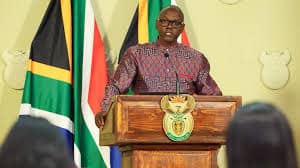
At a sombre media briefing in Pretoria on Monday, Presidency spokesperson Vincent Magwenya confirmed the grave situation. “They are in a dangerous environment and are facing grave danger,” Magwenya stated unequivocally. “We are in ongoing discussions with authorities in both Russia and Ukraine, with the focus on securing their release from Russia and their subsequent safe passage home.”
The group was reportedly recruited last month by a controversial figure, Duduzile Zuma-Sambudla, a member of the uMkhonto weSizwe (MK) Party and daughter of former President Jacob Zuma. According to emerging testimonies from concerned families, the men—largely from KwaZulu-Natal and Gauteng—were promised specialised training to serve as personal protection officers for the party. Instead, upon arrival in Russia, their passports were allegedly confiscated, and they were transported to a military facility near the Ukrainian border.
“This remains a priority for the government and is receiving the highest possible attention,” Magwenya emphasised, noting that President Cyril Ramaphosa is personally overseeing the matter. The government’s strategy involves multi-track diplomacy, engaging directly with the Russian Ministry of Foreign Affairs and utilising back-channel communications while also coordinating with Ukrainian officials to ensure humanitarian corridors could be used if an extraction becomes possible.
The incident has triggered a firestorm of national concern and political recrimination. The main opposition Democratic Alliance has called for an immediate parliamentary inquiry, labelling the episode a “potential violation of the Foreign Military Assistance Act” and a “grave failure to protect citizens.” Legal experts suggest that if the allegations of deception and coercion are proven, Zuma-Sambudla could face serious charges, including human trafficking and contravening laws that prohibit South Africans from engaging in foreign mercenary activities.
For the anguished families, the wait is agonising. Sipho Ndlovu, brother of one of the men, expressed a mixture of fear and frustration: “We were told he was going for a job interview for a security company. The next thing we hear, he is in a war zone. We are pleading with the government to bring our sons and brothers home alive.”
The case also places South Africa’s foreign policy in a sharp spotlight, testing its much-vaunted “non-aligned” stance. The government must navigate its relationship with Russia—a fellow BRICS partner with which it maintains diplomatic ties—while fulfilling its paramount duty to protect its citizens. The outcome of these negotiations will not only determine the fate of 17 South Africans but will also send a powerful signal about the state’s capacity and resolve in managing complex international crises involving its nationals abroad.
As diplomatic cables hum between Pretoria and Moscow, the nation holds its breath, hoping for a peaceful resolution to a crisis born of deception and unfolding in the theatre of war.
About The Author