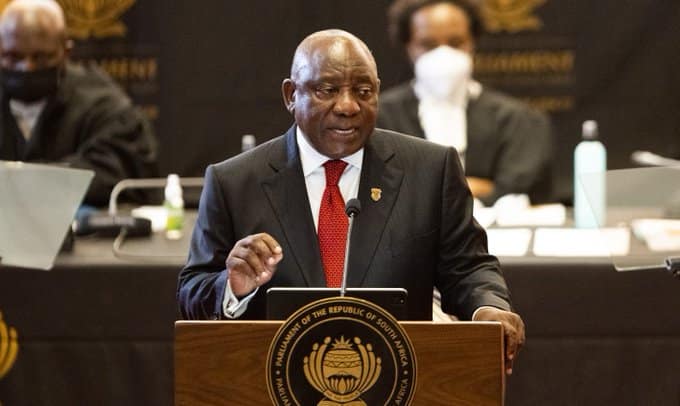
The air in Cape Town carries a particular kind of electricity on the eve of the State of the Nation Address. It is a blend of anticipation, skepticism, and something that might, if you listen closely, resemble hope. By Thursday evening, that current will have reached a fever pitch as President Cyril Ramaphosa steps up to the podium at the City Hall, the colonial sandstone walls holding their breath alongside the nation.
SONA 2026 is not merely another date on the political calendar. It arrives at a moment when the word “crisis” has become so overused it risks losing its meaning, yet the reality on the ground remains stark. Statistics South Africa recently reported that the unemployment rate has inched past 34%, with youth unemployment hovering near a catastrophic 60%. Load-shedding has been mercifully absent for several months, but the paranoia remains; every flicker of a lightbulb sends a shudder through the boardrooms of Johannesburg and the kitchens of Soweto.
It is into this landscape that President Ramaphosa must deliver a message that is equal parts diagnosis and prescription.
The Economy: Walking the Tightrope
Economists who spoke to News24 in the lead-up to the address are unanimous on one point: the fiscal cliff is no longer a distant threat; it is a visible edge. Treasury is bleeding, and the President must convince investors that South Africa is open for business without alienating the left-leaning factions of the Government of National Unity who view austerity as a betrayal of the poor.
Dr. Nthabiseng Molefe, a political economist at Wits, suggests that Ramaphosa will lean heavily on the “green industrial revolution.” “He will frame the energy transition not as an environmental issue, but as a jobs issue,” she says. “Expect to hear about solar parks in the Northern Cape, electric vehicle manufacturing in the Eastern Cape, and a Youth Service programme that funnels school-leavers directly into infrastructure projects.”
But rhetoric is cheap. The experts are looking for concrete timelines on the second wave of spectrum allocation and, crucially, an update on the much-delayed National Health Insurance implementation. “We need to know if NHI is still the hill this administration wants to die on,” says independent analyst Daniel Silke. “If he glosses over the financing model, the opposition will tear the speech apart.”
Crime and the Question of Order
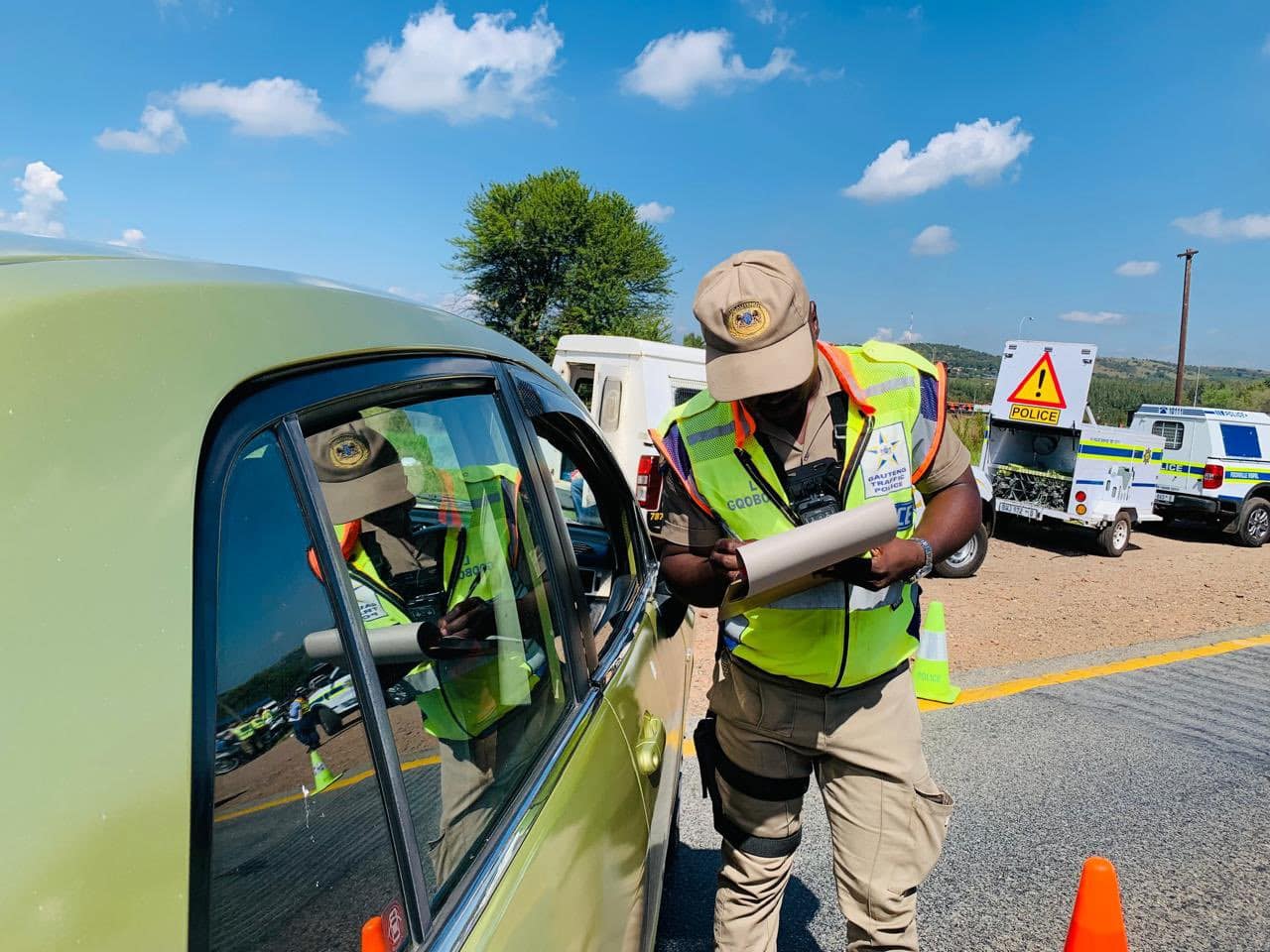
If the economy is the head of the SONA address, crime is its heart—a raw, bleeding wound that refuses to heal. The recent release of crime statistics painted a grim picture: contact crimes are up, extortion rackets have paralysed construction sites in KwaZulu-Natal and the Western Cape, and the perceived collapse of rail security has turned the Metrorail system into a no-go zone for commuters.
Presidential spokesperson Vincent Magwenya has hinted that “visible policing” will be a major theme. Security analyst Jasmine Opperman predicts the President will announce a permanent, specialised unit within the SAPS dedicated to construction site extortion, funded by redirected budgets from less critical administrative posts.
“He has to show he understands that safety is the bedrock of dignity,” Opperman notes. “If a mother cannot walk her child to a clinic without fear, economic growth is an abstract concept.”
The Land Question and Coalition Stability
Behind the formal address lies the shadow play of the Government of National Unity. The inclusion of the DA and other opposition parties has created a legislative cocktail that is either potent or poisonous, depending on who is drinking.
The recent Expropriation Act remains a fault line. While Ramaphosa is expected to reaffirm his commitment to land reform, the tone will be crucial. A radical, bullish stance might placate the EFF and the left flank of the ANC, but it risks a constitutional challenge and sends jitters through the agricultural sector. A tempered, technocratic approach may keep the GNU partners at the table but risks alienating those who feel land reform has stalled for three decades.
The Venue: A Symbol in Itself
It is no accident that Ramaphosa chose City Hall over the National Assembly. It was here, in 2020, that he delivered a landmark SONA amidst the embers of State Capture. The building is a symbol of renewal, a stage set for a president who has always preferred the role of the conciliator-in-chief to the street fighter.
But the man who will speak on Thursday is not the same man who stood there six years ago. He is older, his government is more complex, and his political capital has been spent in drips and drabs over countless factional battles. The burden of expectation is heavier.
The Verdict
Ultimately, SONA 2026 will be judged not by its eloquence, but by its endurance. South Africans have heard beautiful speeches before. They have heard promises etched in soaring prose, only to watch them dissolve into the humidity of parliamentary committee rooms.
What the nation craves, as the sun sets over Table Bay, is not poetry. It is proof. Proof that the machinery of the state can be repaired. Proof that the lights will stay on. Proof that a young person in Mamelodi has a path forward that does not end at a shuttered factory gate or, worse, a grave.
As the President adjusts his glasses and looks out at the assembled dignitaries, he will carry with him the weight of a thousand memos, cabinet submissions, and crisis meetings. But for two hours on Thursday night, he is no longer a negotiator or a factional manager. He is the voice of the Republic.
Whether that voice echoes with conviction or fades into the Cape Town wind is the story South Africa will wake up to on Friday morning.
About The Author