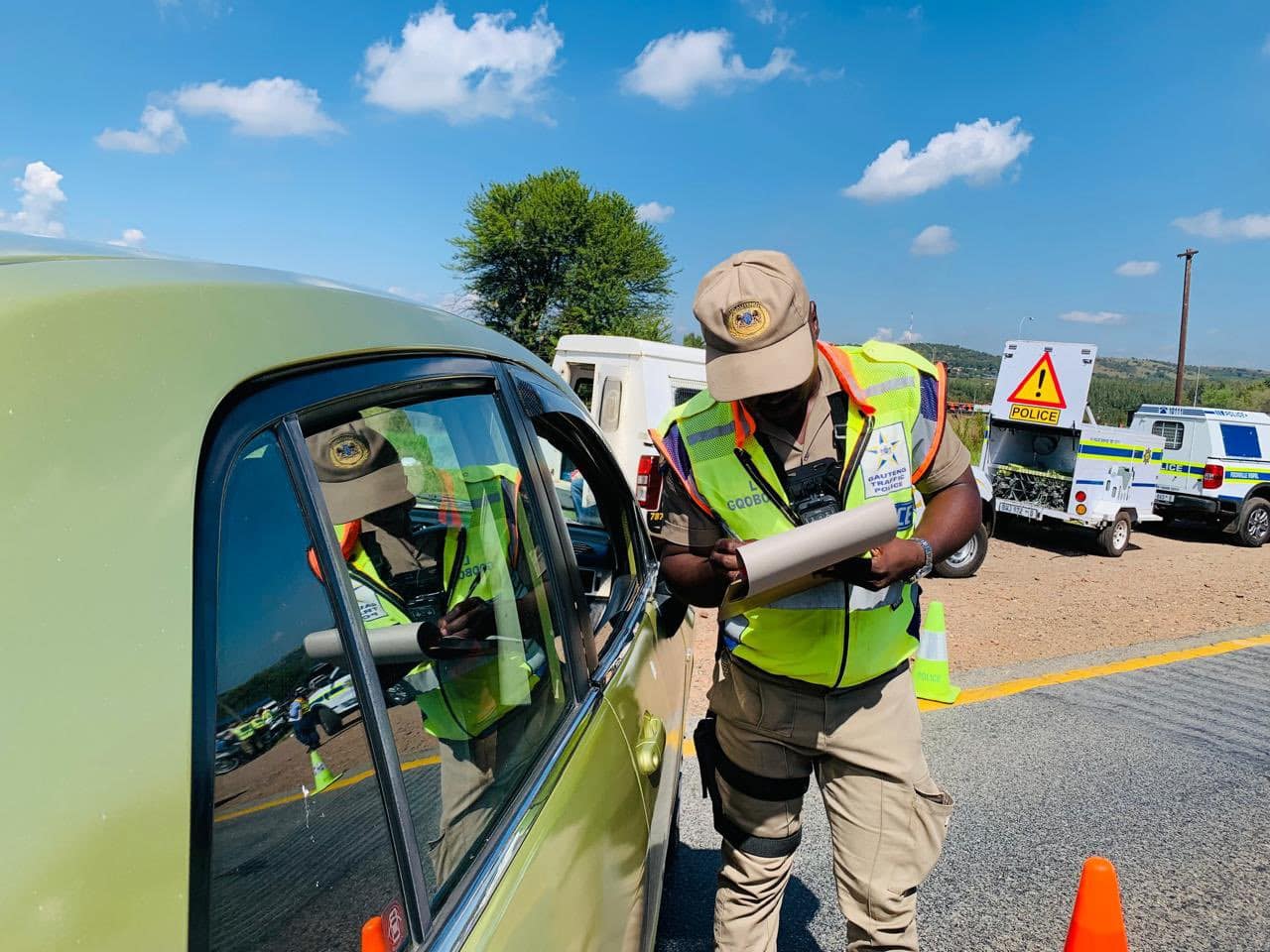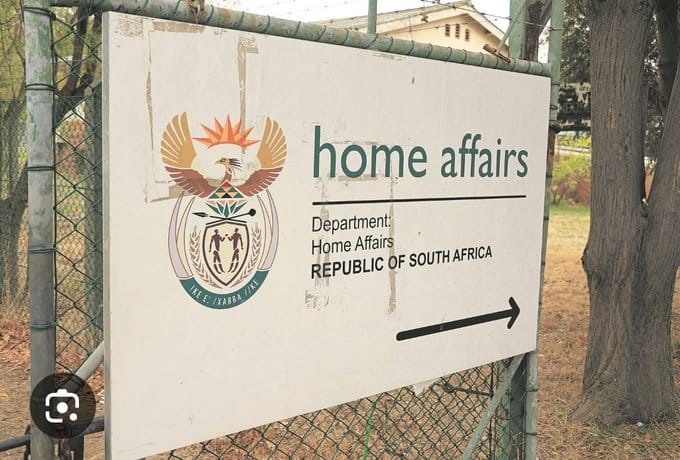
In an operation that has rippled across diplomatic channels, South Africa’s Department of Home Affairs has arrested and ordered the deportation of seven Kenyan nationals for allegedly working illegally at a centre processing U.S. asylum applications while in the country on tourist visas.
The arrests, executed in Johannesburg on Tuesday, were the result of targeted intelligence indicating that the individuals had entered South Africa as tourists but had taken up unauthorised employment—a direct violation of their visa conditions. According to Home Affairs, the centre where they were working facilitates U.S. refugee applications, a process separate from South Africa’s own asylum system.
“They were discovered engaging in work despite only being in possession of tourist visas, in clear violation of their conditions of entry,” the department stated. It further revealed that earlier visa applications submitted by the same individuals for the purpose of performing this specific work had been lawfully denied prior to their arrival.
A Firm Stance on Immigration Compliance
The seven Kenyans have been issued deportation orders and will face a mandatory five-year ban from re-entering South Africa. The operation was conducted without incident, and the department emphasized that no members of the public or asylum seekers were harassed during the action. Notably, no U.S. officials were arrested.
Home Affairs positioned the move as a demonstration of its commitment to “enforcing the rule of law without fear or favour.” The department stated that the operation aligns with shared international goals to combat illegal immigration and visa abuse, part of a broader 18-month campaign to address systemic violations within South Africa’s immigration framework.
Diplomatic Engagements Activated
The case has swiftly escalated beyond a simple immigration enforcement action, triggering formal diplomatic discussions. South Africa’s Department of International Relations and Cooperation (DIRCO) has initiated engagements with both the United States and Kenya.
Foreign officials were reportedly present at the scene during the arrests, underscoring the operation’s sensitivity. The discussions are expected to address the circumstances of the employment, the nature of the centre’s operations, and the broader implications for bilateral relations. Analysts suggest the talks will need to delicately balance South Africa’s sovereign right to enforce its immigration laws with the diplomatic protocols involved when foreign nationals are detained in connection with a third country’s administrative processes.
Broader Context: A Sustained Crackdown
This incident is not isolated. It falls under a sustained, 18-month campaign by South African authorities to clamp down on widespread immigration violations, including visa overstays, fraudulent documentation, and illegal employment. The government has faced mounting public pressure to address immigration system abuses, which are often conflated in public discourse with broader challenges of unemployment and service delivery.
“This sends a clear message that South Africa is tightening its oversight,” said immigration analyst Thando Nkosi. “However, the international dimensions of this particular case—involving Kenyans working on U.S. processes on South African soil—make it uniquely complex. It tests the mechanisms of trilateral cooperation on immigration compliance.”
As the deported individuals prepare to return to Kenya, and diplomats continue their discussions, the case highlights the intricate challenges at the intersection of national law enforcement, international diplomacy, and the global movement of people. It reaffirms South Africa’s declared intent to assert greater control over its borders and visa system, even when such actions lead to delicate conversations behind closed diplomatic doors.
About The Author