A profound sense of despair and simmering anger has taken hold in this historic Free State town, as a catastrophic collapse in basic service delivery pushes residents and local businesses towards a breaking point. What was once sporadic inconvenience has devolved into a relentless cycle of darkness and thirst, with endless electricity outages and chronic water shortages paralysing daily life and suffocating the local economy.
The situation has moved beyond frustration into a full-blown crisis. Businesses, the lifeblood of the small community, are haemorrhaging money. Supermarkets report massive spoilage of perishable goods with each prolonged blackout. Butchers, bakeries, and restaurants are unable to operate. ATM machines sit dead, and fuel stations cannot pump petrol.
“Forget making a profit; we are now just fighting to prevent total ruin,” said Thabo Mokoena, owner of a local hardware store and chairperson of the Winburg Business Forum. “The power goes off for 8, 10, sometimes 15 hours a day. I have had to buy a diesel generator just to keep the lights on and the till operating, but the cost is killing me. How is a spaza shop or a hair salon supposed to afford that? They are simply closing their doors.”
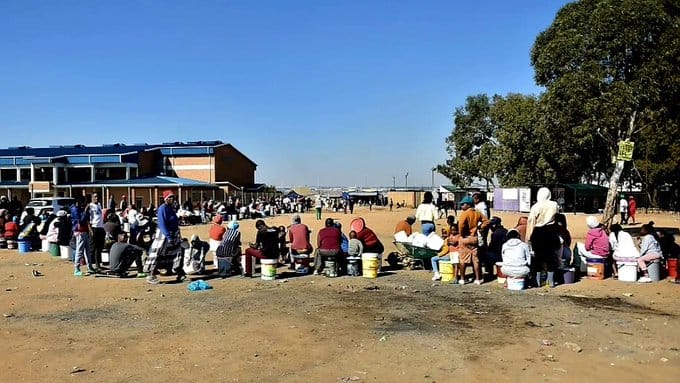
The water crisis is equally dire. Taps run dry for days on end, forcing residents to rely on municipal water tankers that arrive erratically and cause chaotic, sometimes violent, scrambles. The elderly and those without transport are left particularly vulnerable. The lack of reliable water pressure also means that when power is restored, sewage systems fail to pump, leading to public health hazards as waste backs up into streets and yards.
“The indignity is unbearable,” said community activist Anna van Wyk. “We are living like people in a forgotten land. Our children cannot do homework by candlelight every night. We cannot cook, we cannot store food, and we cannot even flush our toilets. This is not neglect; this feels like abandonment.”
Municipal officials from the Masilonyana Local Municipality blame a perfect storm of ageing, poorly maintained infrastructure, rampant cable theft, and failing substations that are decades overdue for an upgrade. They also point to crippling municipal debt owed to power utility Eskom, which leads to punitive disconnections. However, residents dismiss these as hollow excuses after years of empty promises.
“The explanations are a broken record,” declared community leader Pastor James Nkosi. “We hear about ‘maintenance’ and ‘old equipment,’ but we see no tangible action, no urgent plan. Meanwhile, our town is dying. People are starting to leave. Who will invest here? Who will visit?”
The social fabric is fraying. Reported cases of burglary and vandalism have spiked during the long, dark nights. A growing number of households, those who can afford it, are pooling resources to buy solar panels and large water storage tanks, creating a stark divide between the haves and the have-nots.
The crisis in Winburg is a microcosm of a wider systemic failure plaguing many municipalities across South Africa. It highlights how the collapse of basic engineering and administrative functions doesn’t just cause discomfort—it actively dismantles local economies, deepens poverty, and erodes the constitutional right to dignity.
As one resident poignantly asked, “How are we supposed to care for our town, when it feels like our own government has stopped caring for us?” The question hangs in the air, as heavy and persistent as the darkness that continues to descend upon Winburg.
About The Author